
Compassionate Guide to Alternative Mental Health Therapies
Mental health is a vital part of overall health. Many people search for therapies that ease stress, improve mood, and support healing. Traditional psychiatry and medication remain valuable, but alternative mental health therapies now play a growing role in care. These methods offer practical tools to help with anxiety, depression, trauma, and chronic stress. At Huntington Beach Mental Health, we believe in compassionate support that respects the unique needs of every patient.
What Are Alternative Mental Health Therapies?
Alternative mental health therapies are practices outside standard psychiatry or psychology. They may use movement, relaxation, or creative expression instead of only medication or talk therapy. Some are rooted in alternative medicine traditions, such as acupuncture, yoga, tai chi, or traditional Chinese medicine. Others include newer approaches, like light therapy for seasonal affective disorder or hypnotherapy for stress reduction.
Research shows these therapies can reduce symptoms of major depressive disorder, bipolar disorder, schizophrenia, and anxiety. They can also improve cognition, attention, and sleep by calming the nervous system and restoring balance in the mind and body.
The Role of Psychiatry and Evidence in Care
Psychiatry often prescribes antidepressant medication or stimulants for conditions like attention deficit hyperactivity disorder. A physician or mental health professional may recommend medication to balance serotonin levels in the brain or manage mood swings caused by bipolar disorder.
However, alternative treatment for bipolar disorder or alternative medicine for schizophrenia is gaining recognition. Evidence from the National Institute for Health and Care Excellence supports combining therapy with alternative practices like mindfulness, yoga, or exercise. These therapies help reduce fatigue, pain, and stress while improving quality of life.
Types of Alternative Therapies
Art and Music Therapy
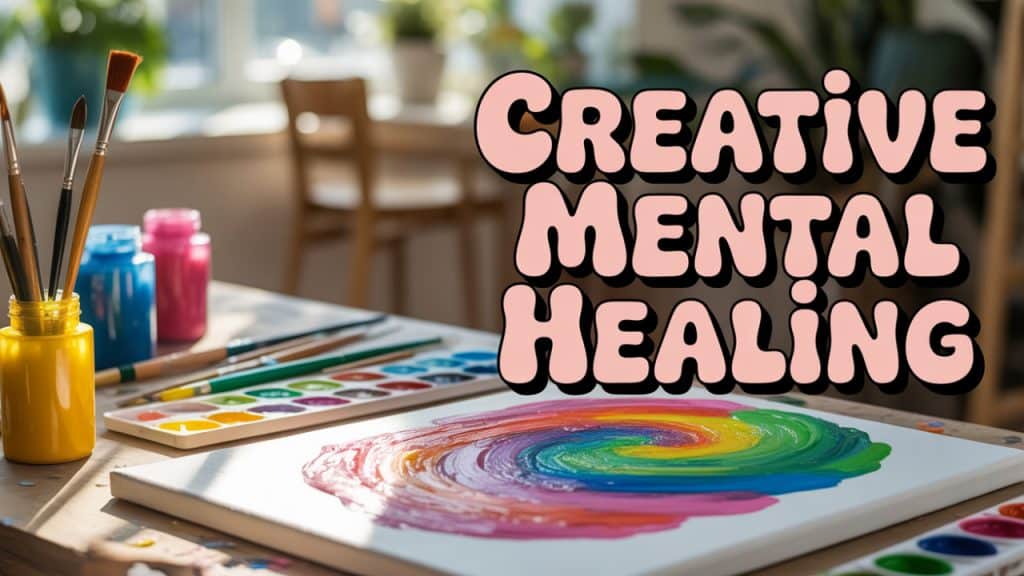
Art therapy helps individuals express thoughts and emotions without words. It can reduce anxiety, improve mood, and aid in trauma recovery. Music therapy, by contrast, uses sound and rhythm to release emotion, reduce stress, and increase relaxation.
Yoga and Meditation
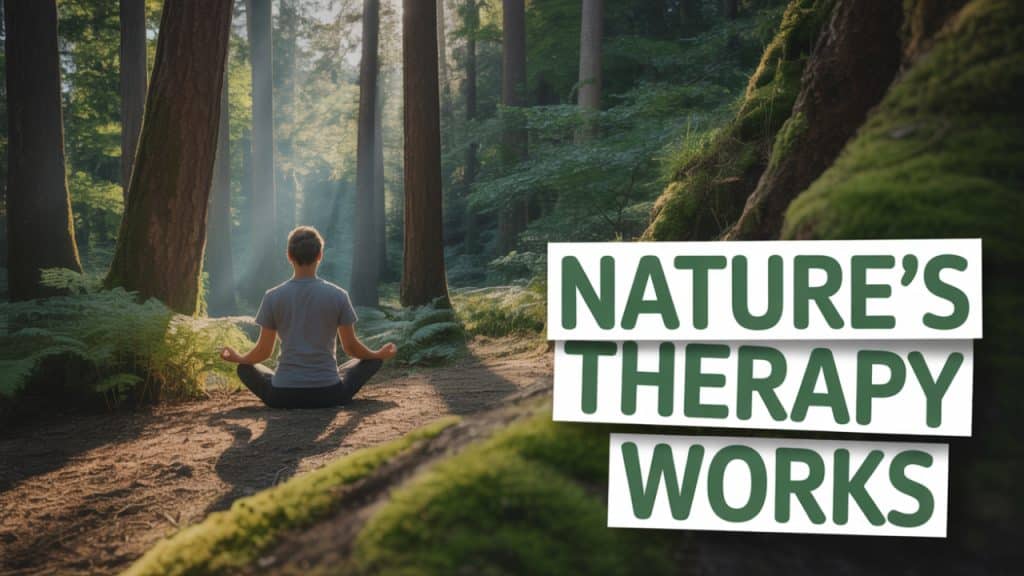
Yoga therapy blends movement, breathing, and mindfulness. Meditation focuses attention on the present moment to reduce stress and calm the nervous system. Both practices improve sleep, balance mood, and support long-term healing.
Acupuncture and Traditional Chinese Medicine
Acupuncture stimulates energy points in the body, reducing anxiety, stress, and pain. Traditional Chinese medicine also includes herbs, diet adjustments, and tai chi exercises. Many people use these therapies for psychosis, schizophrenia, or seasonal affective disorder alongside modern medicine.
Breathwork and Relaxation Therapies
Breathing exercises and guided relaxation reduce anxiety and support emotional regulation. Practices such as tai chi, reiki, and hypnotherapy help restore balance in the mind and body. These therapies ease fatigue, promote healing, and reduce symptoms of mood disorders.
Nutrition, Vitamins, and Diet-Based Approaches
Nutrition plays a major role in mental health. Diets rich in folate, omega-3 fatty acids, and other nutrients support brain function. Vitamins and supplements may help balance mood and reduce symptoms of depression. For example, some research shows that low folate levels can worsen symptoms of major depressive disorder.
Light Therapy for Seasonal Affective Disorder
Light therapy uses exposure to artificial light to regulate mood and improve energy. It is an evidence-based treatment for seasonal affective disorder. By influencing serotonin and melatonin, light therapy helps balance sleep and reduce depressive symptoms.
Aromatherapy and Reflexology
Aromatherapy uses plant-based essential oils to promote relaxation and reduce stress. Reflexology applies pressure to specific points on the feet and hands, believed to connect with the nervous system and improve energy flow. Both therapies encourage relaxation and may ease symptoms of anxiety.
Hypnosis and Hypnotherapy
Hypnotherapy helps individuals enter a state of focused attention where they can process emotions and build healthier coping strategies. It is often used for pain management, addiction, or anxiety. Evidence shows it can reduce stress and support relaxation.
Alternative Medicine in Serious Mental Health Conditions
People with conditions such as bipolar disorder, schizophrenia, or major depressive disorder may need medication, but alternative therapies can provide supportive care. For example:
- Bipolar Disorder: Alternative treatment for bipolar disorder may include mindfulness, diet changes, or light therapy. These therapies help manage mood swings and reduce mania.
- Schizophrenia: Alternative medicine for schizophrenia includes yoga, acupuncture, and tai chi. These therapies can improve cognition, reduce anxiety, and support emotional regulation.
- Major Depressive Disorder: Art therapy, exercise, and meditation may improve mood, while vitamins and nutrition support brain health. Esketamine, a newer medicine, may also be combined with alternative approaches for treatment-resistant depression.
Benefits of Alternative Therapies
- Stress Relief: Meditation, yoga, and aromatherapy calm the nervous system and reduce stress.
- Improved Mood: Light therapy, acupuncture, and music therapy can increase serotonin and support mood stability.
- Better Sleep: Breathing exercises, tai chi, and hypnotherapy improve relaxation and reduce insomnia.
- Pain Management: Acupuncture, reflexology, and reiki help ease physical pain linked with stress or trauma.
- Holistic Healing: Therapies focus on the whole person—mind, body, and brain—rather than only symptoms.
Combining Traditional and Alternative Care
The most effective mental health care often combines therapies. For example, a patient may take an antidepressant prescribed by a physician while practicing meditation or yoga to manage stress. Another may use exercise and nutrition to reduce fatigue and supplement counseling with acupuncture.
Psychology, psychiatry, and alternative medicine work best together. Evidence shows patients improve more when therapy, medication, and alternative healing are used in combination. This integrated approach builds resilience, strengthens coping skills, and creates long-lasting change.
How to Choose the Right Therapy
Choosing the right therapy depends on personal goals, preferences, and health needs. A therapist or mental health professional can guide you through the options. Key factors include:
- Condition: Different therapies help specific conditions, such as light therapy for seasonal affective disorder or hypnotherapy for anxiety.
- Comfort: Some people feel comfortable with yoga or meditation, while others prefer creative outlets like art therapy.
- Evidence: Ask about research supporting the therapy’s effectiveness. Look for approaches backed by clinical studies and guidelines from trusted organizations like the National Institute for Health and Care Excellence.
- Integration: Work with your physician to ensure therapies complement existing medication or treatment.
The Future of Alternative Therapies
Alternative therapies are gaining acceptance in mainstream care. More research supports their benefits for mental health, including cognition, mood, and stress reduction. Health professionals now recognize the role of exercise, nutrition, breathing practices, and alternative medicine in supporting overall well-being.
As evidence grows, therapies like reiki, hypnosis, tai chi, and esketamine treatments may become more widely available. They provide new hope for people facing mental health challenges, including those who do not fully respond to traditional medicine alone.
Conclusion
Alternative mental health therapies give individuals the opportunity to explore healing in new ways. From yoga and meditation to acupuncture, reiki, and nutrition, these approaches help reduce stress, support mood, and improve overall health. They also provide evidence-based options for conditions such as major depressive disorder, bipolar disorder, schizophrenia, and seasonal affective disorder.
At Huntington Beach Mental Health, we believe in combining psychiatry, psychology, and alternative medicine to create compassionate care. Healing is possible, and with the right combination of therapies, every person can find a path toward balance and well-being.
Frequently Asked Questions
1. What are alternative mental health therapies?
Alternative mental health therapies are treatments that go beyond traditional psychiatry and medication. They may include yoga, meditation, art therapy, acupuncture, hypnotherapy, reiki, light therapy, and other practices. These therapies support the mind and body by reducing stress, improving mood, and helping people cope with conditions like anxiety, depression, and bipolar disorder.
2. Can alternative therapies treat major depressive disorder or anxiety?
Yes. Alternative therapies such as meditation, exercise, and light therapy can ease symptoms of major depressive disorder and anxiety. Evidence also shows that nutrition, vitamins like folate, and breathing practices can improve mood and reduce fatigue. While they may not replace antidepressant medication prescribed by a physician, they work well alongside traditional treatment for better results.
3. Are alternative therapies effective for serious conditions like schizophrenia or bipolar disorder?
Alternative treatment for bipolar disorder and schizophrenia can support healing when combined with psychiatry and medication. Practices like yoga, tai chi, acupuncture, and traditional Chinese medicine help with stress, cognition, and mood balance. Research continues to grow, and the National Institute for Health and Care Excellence notes that combining therapies with professional care improves outcomes.
4. How do I know which alternative therapy is right for me?
The best way to choose is to speak with a mental health professional or therapist. They can consider your condition, treatment goals, and lifestyle. Some people benefit most from relaxation therapies like meditation, while others prefer creative outlets such as art therapy. Evidence, comfort, and integration with existing medication or counseling should guide your decision.