
Bipolar Dissociative Identity Disorder: Understanding, Diagnosing, and Treating Co-Occurring Conditions
What happens when two severe mental health conditions intersect? For individuals facing both Bipolar Disorder and Dissociative Identity Disorder (DID), the result is a complex clinical picture that demands integrated, evidence-based care. This article defines how these conditions overlap, details key symptoms, explores diagnostic criteria, and outlines trauma-informed therapies, medication strategies, and local treatment resources in Orange County, California. We’ll cover:
- The nature and prevalence of co-occurring Bipolar Disorder and DID
- Core symptoms, causes, and diagnostic challenges of each condition
- Trauma-informed foundations and psychotherapy modalities
- Medication management protocols for mixed presentations
- Specialized treatment programs and support services in Orange County
Understanding this comorbidity lays the groundwork for tailored interventions that address mood instability and identity fragmentation together.
What Is Bipolar Dissociative Identity Disorder and How Do They Co-Occur?
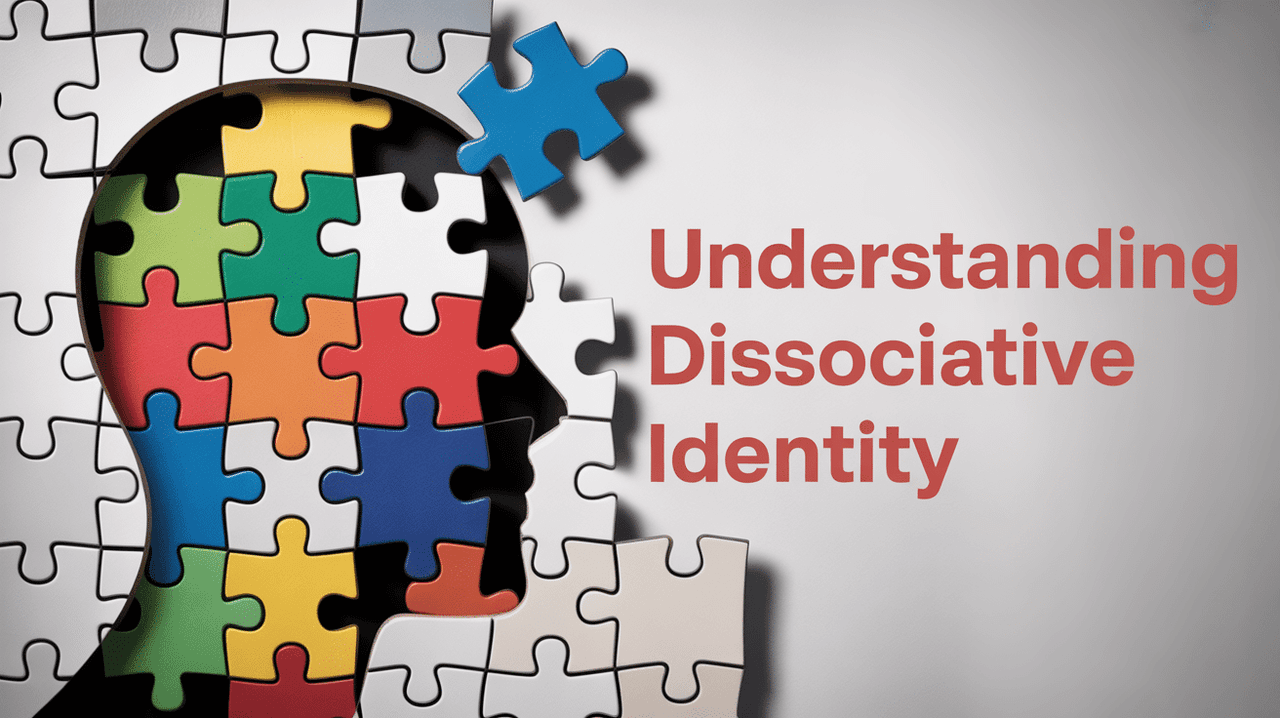
Bipolar Dissociative Identity Disorder describes the simultaneous presence of Bipolar Disorder—a mood disorder marked by cycles of mania and depression—and Dissociative Identity Disorder, where identity fragments into two or more distinct personality states. Trauma during critical developmental stages disrupts both emotional regulation circuits and identity integration, so that an individual may develop manic-depressive episodes alongside dissociative alters as coping mechanisms. For example, a person who experiences severe childhood abuse may both detach into alternate identities to survive and later cycle through depressive lows and manic highs. Recognizing these diagnostic complexities leads to a focused examination of each condition’s specific criteria.
What Are the Key Symptoms of Bipolar Disorder and Dissociative Identity Disorder?
Below is a comparison of core symptoms for each condition, highlighting how mood dysregulation and identity fragmentation manifest differently.
Condition
Symptom Category
Description
Bipolar Disorder
Mania/Hypomania
Elevated mood, increased energy, impulsivity
Bipolar Disorder
Low mood, fatigue, loss of interest
Dissociative Identity Disorder
Alters
Distinct identity states with unique memories and behaviors
Dissociative Identity Disorder
Dissociative Amnesia
Gaps in autobiographical memory
Dissociative Identity Disorder
Depersonalization
Feeling detached from self
Dissociative Identity Disorder
Derealization
Perceiving the external world as unreal
These symptom profiles illustrate how mood swings and dissociative experiences can overlap yet require separate diagnostic attention.
How Common Is the Co-Occurrence of Bipolar Disorder and DID?
Research shows that dissociative symptoms co-occur in approximately 20-30% of individuals with bipolar disorder, and up to 20% of bipolar patients report significant dissociative symptoms. Childhood trauma is the shared risk factor driving this overlap. These rates underscore the need for clinicians to screen bipolar patients for dissociative features and vice versa, ensuring co-occurring conditions are not overlooked.
Co-occurrence of Bipolar Disorder and DID
Research indicates a notable overlap between Bipolar Disorder and Dissociative Identity Disorder, with dissociative symptoms co-occurring in approximately 20-30% of individuals with bipolar disorder. Furthermore, up to 20% of bipolar patients report significant dissociative symptoms, highlighting the need for careful screening and assessment.
What Are the Diagnostic Challenges in Identifying Bipolar DID?

Differentiating mood-related dissociation from DID can be difficult because manic distortions of reality may resemble depersonalization, while depressive episodes can trigger dissociative numbing. Clinicians must carefully chart symptom timelines, use structured interviews (e.g., SCID-D, SCID-5), and consider trauma history to map out separate diagnostic criteria. Establishing clear identity states versus mood-driven cognitive shifts is essential for accurate diagnosis and treatment planning.
Diagnostic Challenges in Bipolar DID
Differentiating between mood-related dissociation and DID can be challenging due to overlapping symptoms. Manic episodes may resemble depersonalization, while depressive episodes can trigger dissociative numbing. Clinicians must carefully assess symptom timelines and consider trauma history for accurate diagnosis.
What Are the Symptoms, Causes, and Diagnosis Criteria of Bipolar Disorder?
Bipolar Disorder is characterized by recurring mood episodes, with manic highs and depressive lows that impair daily functioning. Genetic predisposition and neurotransmitter imbalances disrupt mood regulation pathways. For instance, altered dopamine signaling in the prefrontal cortex contributes to manic impulsivity. Examining the different subtypes clarifies how symptom patterns influence treatment.
What Are the Different Types of Bipolar Disorder?
There are three main subtypes:
- Bipolar I Disorder features at least one manic episode, often with severe impairment or psychotic features.
- Bipolar II Disorder involves hypomanic episodes—less severe mania—and major depressive episodes.
- Cyclothymic Disorder is a chronic pattern of hypomania and mild depression lasting at least two years.
Each subtype guides tailored mood-stabilizing strategies and psychotherapy selection.
How Are Mood Swings and Manic Episodes Identified?
Clinicians look for sustained periods (≥7 days) of elevated mood, reduced sleep need, grandiosity, and risky behaviors. Depressive episodes require at least two weeks of persistent low mood, anhedonia, and cognitive slowing. Monitoring daily mood charts and using standardized rating scales (e.g., YMRS, MADRS) helps differentiate normal mood variation from clinical episodes.
What Diagnostic Tools and Criteria Are Used for Bipolar Disorder?
The DSM-5 outlines criteria for manic, hypomanic, and depressive episodes, including duration, functional impairment, and exclusion of substance-induced symptoms. Structured Clinical Interview for DSM Disorders (SCID-5) and mood questionnaires enhance diagnostic accuracy through systematic symptom assessment.
What Are the Symptoms, Causes, and Diagnostic Challenges of Dissociative Identity Disorder?
Dissociative Identity Disorder arises from severe, repetitive trauma—most often in early childhood—leading to a fragmentation of identity as a protective mechanism. The mind separates traumatic memories into distinct alters to preserve core functioning. Understanding core dissociative symptoms is crucial for appropriate therapeutic approaches.
What Are Alters, Amnesia, Depersonalization, and Derealization in DID?
Alters are separate personality states with unique names, ages, and behaviors. Dissociative amnesia causes memory lapses when one alter is “on duty.” Depersonalization refers to feeling disconnected from one’s thoughts or body, and derealization involves perceiving the environment as dreamlike. Together, these symptoms form the hallmark of DID.
How Does Childhood Trauma Cause Dissociative Identity Disorder?
Severe abuse or neglect overwhelms a child’s coping capacity, leading the mind to compartmentalize traumatic memories into alternate identities. This protective dissociation prevents full conscious awareness of trauma, allowing the person to function while unconsciously safeguarding painful experiences.
Why Is Diagnosing DID Difficult and Often Misunderstood?
DID symptoms can mimic borderline personality disorder, complex PTSD, or psychotic disorders. Clinicians may overlook alters if the patient is reluctant to disclose dissociation. Accurate diagnosis requires trauma-informed assessment tools, extended clinical interviews, and collaboration with therapists skilled in dissociative disorders.
How Does Trauma-Informed Care Support Treatment for Bipolar DID?

Trauma-informed care establishes safety, trust, and empowerment, which are essential for treating co-occurring mood and dissociative disorders. By recognizing trauma’s pervasive impact, clinicians can avoid retraumatization and build a healing alliance that integrates both conditions’ needs.
What Is Trauma-Informed Therapy and Why Is It Essential?
Trauma-informed therapy uses a framework of safety, choice, collaboration, trustworthiness, and empowerment. This approach acknowledges how trauma dysregulates the nervous system, so interventions focus on stabilization first, then processing traumatic memories once the patient has sufficient coping resources.
Trauma-Informed Therapy
Trauma-informed therapy establishes safety, trust, and empowerment, which are essential for treating co-occurring mood and dissociative disorders. This approach acknowledges how trauma dysregulates the nervous system, so interventions focus on stabilization first, then processing traumatic memories once the patient has sufficient coping resources.
How Does Childhood Trauma Influence Treatment Approaches?
Early trauma shapes attachment patterns, stress responses, and identity structure. Therapists adapt interventions—such as phase-oriented trauma therapy—that begin with emotional regulation skills, progress to trauma processing, and culminate in integration, ensuring both mood and dissociative symptoms are addressed cohesively.
What Role Does Trauma Play in Managing Co-Occurring Symptoms?
Unresolved trauma can trigger both mood swings and dissociative episodes. Integrating trauma interventions—like grounding techniques and ego-state mapping—reduces the frequency and intensity of both manic/depressive cycles and alter switches.
What Are the Effective Psychotherapy Modalities for Bipolar Dissociative Identity Disorder?
An integrated treatment plan combines evidence-based therapies that target mood regulation and dissociative integration simultaneously. Each modality offers unique mechanisms to support recovery.
How Does Cognitive Behavioral Therapy (CBT) Help Bipolar DID Patients?
Cognitive Behavioral Therapy improves symptom awareness by identifying distorted thoughts and establishing coping strategies.
Key CBT benefits include:
- Challenging unhelpful beliefs during mood swings
- Establishing behavioral activation to counteract depression
- Developing thought-record techniques to monitor dissociative triggers
These tools enhance emotional regulation and reduce both mood and dissociative symptoms.
What Is Dialectical Behavior Therapy (DBT) and Its Role in Treatment?
DBT teaches mindfulness, distress tolerance, emotion regulation, and interpersonal effectiveness. For Bipolar DID patients, DBT’s focus on balancing acceptance with change helps manage intense mood episodes and provides grounding skills to prevent shifts into alternate identities.
How Is Eye Movement Desensitization and Reprocessing (EMDR) Used for Trauma and DID?
EMDR uses bilateral stimulation to process traumatic memories without overwhelming the nervous system. By re-storing traumatic material adaptively, EMDR reduces dissociative amnesia and lowers mood reactivity tied to trauma cues.
What Other Psychodynamic Therapies Support Bipolar DID Recovery?
Psychodynamic approaches—such as ego-state therapy and internal family systems—explore internal conflicts between alters, fostering integration and self-cohesion. These therapies deepen insight into trauma patterns and support emotional processing.
How Is Medication Managed for Bipolar Disorder with Dissociative Symptoms?
Medication management for co-occurring conditions balances mood stabilization with the potential impact on dissociative experiences. Careful titration and monitoring ensure safety and efficacy.
Medication Class
Role in Treatment
Monitoring Consideration
Mood Stabilizers
Prevent manic and depressive episodes
Regular blood levels for lithium or valproate
Atypical Antipsychotics
Manage acute mania and psychotic features
Metabolic monitoring (weight, lipids, glucose)
Antidepressants
Address persistent depressive symptoms
Risk of inducing mania; use with mood stabilizer
What Are Mood Stabilizers and Their Role in Bipolar Treatment?
Mood stabilizers (e.g., lithium, valproate) regulate neural excitability by modulating glutamate and GABA transmission. They reduce the frequency and severity of manic and depressive episodes, forming the foundation of pharmacotherapy for Bipolar Disorder.
When Are Antipsychotics and Antidepressants Used?
Atypical antipsychotics (e.g., quetiapine) control acute mania or psychosis, while antidepressants can target residual depression once mood stabilizers are established. Antidepressants require caution to avoid precipitating mania, so they are always combined with a stabilizer.
How Is Medication Carefully Monitored for Co-Occurring Conditions?
Frequent follow-ups ensure medication levels remain therapeutic without adverse effects. Clinicians track mood charts and dissociative frequency to adjust dosages and maintain stability across both disorders.
Where Can You Find Specialized Bipolar DID Treatment and Support in Orange County, California?
Orange County offers integrated mental health centers that combine trauma-informed care, psychotherapy, and medication management under one roof. Huntington Beach Mental Health specializes in these co-occurring conditions, providing evidence-based programs tailored to complex diagnoses.
Which Mental Health Programs Offer Integrated Treatment in Orange County?
Huntington Beach Mental Health offers a virtual care team of therapists and psychiatric providers who work together on individualized care plans. Virtual intensive outpatient and partial hospitalization programs support varying levels of intensity and safety.
How Do Support Groups and Community Resources Assist Patients and Families?
Peer-led groups and family education workshops foster connection and understanding. Organizations such as local chapters of the Depression and Bipolar Support Alliance host psychoeducational meetings that normalize experiences and teach coping strategies.
What Is the Admissions Process and Insurance Navigation for Treatment?
Admissions typically begin with a comprehensive assessment, including psychiatric evaluation, trauma history, and diagnostic interviews. Staff assist with insurance verification, prior-authorization, and sliding-scale arrangements to ensure access to care without undue financial burden.
What Are Common Questions About Living with Bipolar Dissociative Identity Disorder?
People often wonder if these conditions can truly coexist and how to manage daily life while maintaining relationships, treatment adherence, and personal safety.
Can You Have Bipolar Disorder and Dissociative Identity Disorder at the Same Time?
Yes, these conditions can co-occur through a shared root in severe trauma. Comorbidity requires specialized assessment to address both mood episodes and dissociative alters effectively.
How Do You Differentiate Bipolar DID from Other Mental Health Conditions?
Clinicians distinguish Bipolar DID by tracking the timing of dissociative switches versus mood episodes, using structured interviews and trauma-focused assessments to separate identity fragmentation from psychosis or borderline traits.
What Coping Strategies Help Manage Symptoms Daily?
Establishing routine sleep-wake cycles, using grounding techniques (e.g., 5-4-3 sensory exercises), mood charting, and systematized communication between alters promotes stability and reduces symptom escalation.
How Can Families Support Loved Ones with Bipolar DID?
Families can learn about each condition’s triggers, participate in therapy sessions, and implement safety plans for mania or dissociative flashbacks. Open dialogue within a structured support network strengthens trust and recovery.
Individuals and families facing the challenges of co-occurring Bipolar Disorder and Dissociative Identity Disorder can find hope through integrated, trauma-informed treatment that addresses both mood instability and identity fragmentation. By combining specialized psychotherapy modalities, careful medication management, and the support network available in Orange County, California, recovery becomes a realistic goal. If you or a loved one are navigating these complex symptoms, reach out to Huntington Beach Mental Health to explore tailored treatment options and begin a path toward stability and resilience today.