
Does Marriage Make Your Mental Health Better? Exploring the Impact of Marriage on Mental Well-being

Marriage can profoundly influence emotional resilience and psychological wellness, with longitudinal studies showing married individuals often experience lower rates of depression and anxiety than their single counterparts. In this article, you’ll discover how a healthy marriage delivers social support, stress reduction, and even physical health benefits, as well as how relationship distress can undermine mental well-being. We’ll examine common mental health conditions linked to marital issues, explore the role of couples therapy in Orange County, assess the emotional aftermath of divorce, highlight the advantages of premarital counseling, and provide practical strategies for building a resilient partnership.
What Are the Mental Health Benefits of a Healthy Marriage?
A healthy marriage provides a stable foundation of emotional support and shared coping, leading to measurable improvements in mood regulation, self-esteem, and life satisfaction. By fostering trust and teamwork, spouses can buffer each other against life’s challenges and create a positive feedback loop of encouragement and security.
How Does Social Support in Marriage Improve Mental Health?
Social support in marriage enhances mental health by offering both emotional reassurance and tangible assistance when problems arise. Partners who listen without judgment and validate feelings help regulate stress hormones like cortisol and reinforce a sense of belonging. For example, a spouse’s attentive listening during a difficult work week can lower perceived stress and promote better sleep. This supportive dynamic naturally transitions into effective stress management strategies that strengthen both individuals.
In What Ways Does Marriage Reduce Stress and Anxiety?
Marriage can reduce stress and anxiety through consistent companionship and shared coping strategies that distribute the emotional load. Three primary stress-buffering mechanisms include:
- Joint problem-solving sessions that clarify challenges and identify solutions
- Physical affection—such as hugging or holding hands—that provokes oxytocin release
- Coordinated self-care routines, like regular date nights or exercise schedules
These practices lower physiological arousal and create a predictable environment that eases anxious thoughts. Understanding these coping methods sets the stage for exploring how marriage also promotes long life and physical health.
How Does Marriage Contribute to Longevity and Physical Health?
Marriage contributes to longevity and physical health by promoting healthier habits, increasing access to medical care, and reducing risky behaviors. Spouses often encourage preventive screenings, balanced diets, and regular exercise, leading to lower incidence of chronic conditions such as heart disease. A comparative overview of key mechanisms appears in the table below.
Entity
Attribute
Value
Marriage
Health Surveillance
Spouses prompt routine medical check-ups
Shared Lifestyle
Behavior Modification
Joint exercise, balanced nutrition
Emotional Bond
Immune Function
Lower inflammation markers, improved recovery rates
This table highlights how mutual accountability within marriage not only fosters mental well-being but also underpins physical resilience, moving us toward consideration of when partnership can become harmful.
Can an Unhappy Marriage Negatively Affect Your Mental Health?
An unhappy marriage can significantly elevate psychological distress, with high-conflict relationships linked to greater rates of depression, anxiety, and somatic symptoms. When communication breaks down and resentment festers, the protective buffers of marriage dissolve, exposing both partners to chronic emotional strain.
What Are the Psychological Effects of Marital Conflict and Distress?
Marital conflict and distress often trigger persistent worry, irritability, and feelings of helplessness. Frequent arguments activate the fight-or-flight response, elevating cortisol and adrenaline levels, which over time contribute to mood disorders. Partners may experience rumination—replaying negative interactions—which deepens depressive symptoms and undermines self-confidence.
Recognizing these consequences leads directly to understanding the role of loneliness within troubled unions.
How Does Loneliness Within Marriage Impact Depression and Anxiety?
Loneliness within marriage intensifies depression and anxiety by creating a gap between expected intimacy and experienced isolation. When one partner feels emotionally disconnected, the discrepancy triggers negative self-appraisals and heightens sensitivity to stress. This emotional void can mirror the effects of social isolation, increasing the risk of mood disorders and compounding relationship strain. A related dynamic arises when infidelity or violence enters the marriage.
What Role Do Infidelity and Domestic Violence Play in Mental Health Decline?
Infidelity and domestic violence undermine trust, safety, and self-worth, leading to profound mental health decline. Betrayal trauma from infidelity can produce symptoms similar to post-traumatic stress disorder, including hypervigilance and intrusive thoughts. Domestic violence victims frequently exhibit depression, anxiety, and substance misuse as coping mechanisms. Understanding these harmful patterns underscores the importance of professional support and therapeutic intervention.
Which Common Mental Health Conditions Are Linked to Marital Issues?
Marital difficulties often coincide with several mental health conditions that can exacerbate relationship problems if left unaddressed. Recognizing these conditions is crucial for timely intervention and treatment.
Before reviewing specific disorders, the following table summarizes common links:
Entity
Attribute
Value
Depression
Trigger Mechanism
Chronic conflict, emotional neglect
Anxiety Disorders
Exacerbating Factor
Uncertainty in relationship stability
Chronic Stress
Physiological Impact
Elevated cortisol, impaired sleep quality
This comparison shows how marital discord feeds into clinical conditions, prompting deeper exploration of each syndrome’s interaction with partnership dynamics.
How Does Marital Stress Trigger or Exacerbate Depression?
Marital stress triggers or worsens depression by fostering persistent negative thoughts and eroding motivation. Conflict-laden environments increase cortisol levels, which interfere with neurotransmitter balance, leading to anhedonia and fatigue. Partners may withdraw socially and emotionally, reinforcing depressive cycles. Addressing these patterns requires targeted strategies like couples therapy.
What Is the Relationship Between Marriage and Anxiety Disorders?
Anxiety disorders often intensify in the context of marital instability, as uncertainty about commitment and future plans fuels excessive worry. Panic symptoms can emerge in response to conflict, while generalized anxiety may manifest as constant apprehension about relationship problems. Recognizing these links emphasizes the need for interventions that restore safety and predictability.
How Does Chronic Stress from Marital Problems Affect Overall Well-being?
Chronic stress from marital problems affects overall well-being by disrupting sleep, impairing immune function, and diminishing cognitive capacity. Persistent activation of the stress response system leads to headaches, digestive issues, and impaired concentration. This downward spiral highlights the importance of professional support to interrupt harmful cycles.
How Can Couples Therapy Improve Mental Health Within Marriage?
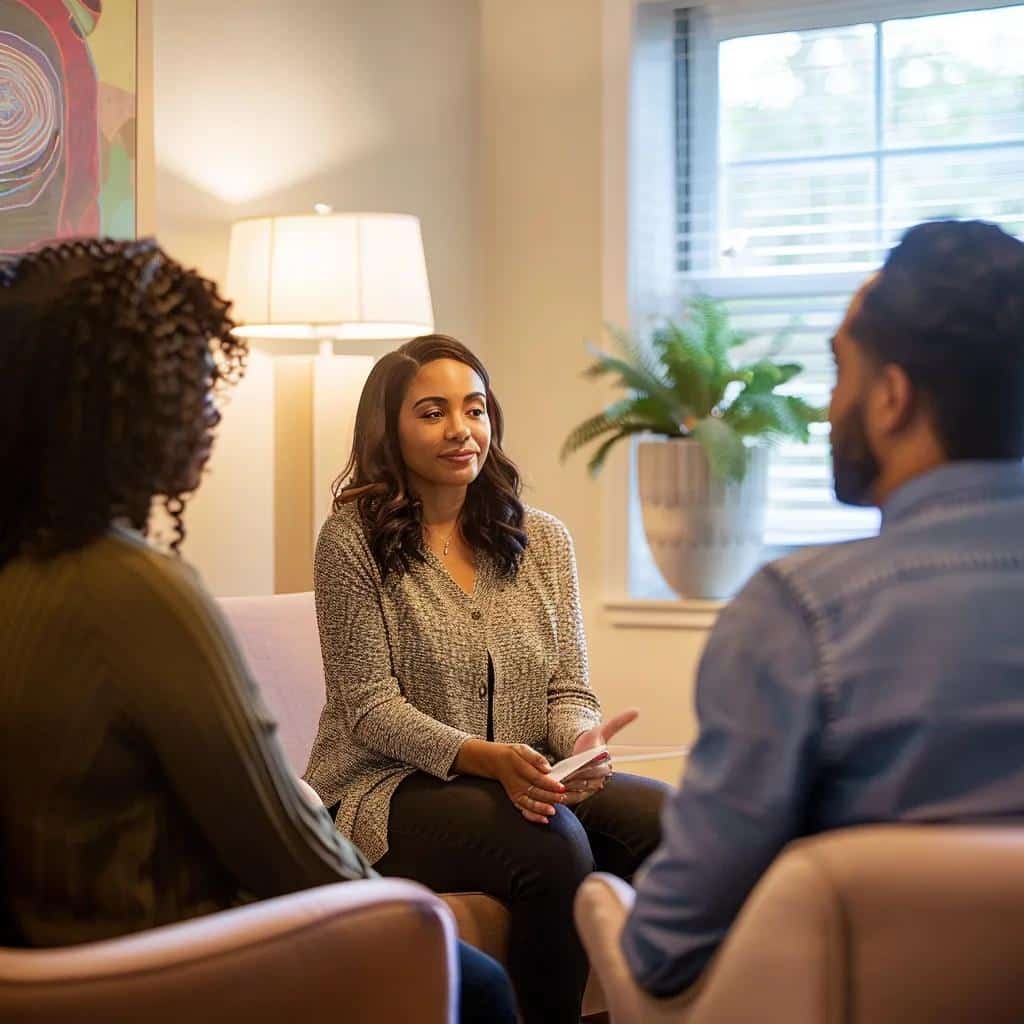
Couples therapy improves mental health within marriage by enhancing communication, rebuilding trust, and teaching evidence-based coping techniques.
Licensed therapists guide partners through structured exercises that foster empathy and mutual understanding, leading to decreased conflict and stronger emotional bonds.
What Are the Benefits of Couples Therapy for Relationship and Mental Health?
Couples therapy offers multiple benefits for both relationship quality and individual mental health:
- Enhanced communication skills that prevent misunderstandings
- Conflict-resolution strategies that reduce emotional reactivity
- Increased emotional intimacy through guided empathy exercises
These outcomes alleviate anxiety and depression by restoring a sense of partnership and shared purpose. By learning these methods, couples often experience renewed confidence in their relationship’s resilience.
Which Common Issues Does Couples Therapy Address in Marital Mental Health?
Couples therapy commonly addresses:
- Persistent communication breakdowns that fuel resentment
- Financial stress impacting emotional stability
- Sexual dissatisfaction contributing to self-esteem issues
- Parenting conflicts that heighten anxiety
Therapists tailor interventions to each couple’s unique dynamics, ensuring targeted improvements that translate into better mental health for both partners.
What Couples Therapy Services Are Available in Huntington Beach, Orange County?
Huntington Beach Mental Health provides specialized couples therapy in Orange County, offering licensed marriage and family therapists who employ evidence-based models such as Emotionally Focused Therapy and the Gottman Method. These services include:
- Intensive weekend retreats for accelerated conflict resolution
- Weekly session packages integrating homework and skill-building
- Virtual counseling options for busy schedules
By partnering with local experts, couples gain timely access to high-quality treatment that supports both relationship satisfaction and individual psychological wellness.
What Is the Mental Health Impact of Divorce?
Divorce often precipitates a period of intense emotional upheaval, marked by grief, identity shifts, and financial concerns. The dissolution of a marital bond can trigger acute stress responses and heighten vulnerability to mood disorders.
What Emotional Stages Affect Mental Health During Divorce?
Divorce typically unfolds through emotional stages such as:
- Shock and Denial: Initial inability to accept separation
- Anger and Bargaining: Attempts to negotiate or assign blame
- Depression and Withdrawal: Deep sadness and social retreat
- Acceptance and Adjustment: Gradual rebuilding of self-identity
Navigating these phases can mitigate long-term psychological harm and fosters renewal of personal resilience.
How Can Individuals Cope with Divorce-Related Depression and Anxiety?
Individuals can cope with divorce-related depression and anxiety through:
- Structured grief counseling to process loss
- Mindfulness practices that regulate intrusive thoughts
- Support groups that reduce isolation and promote shared understanding
Engaging in these strategies helps restore emotional balance and prepares individuals for a new chapter.
What Support Services Exist for Divorcees in Orange County?
Orange County offers a range of support services for divorcees, including:
- Community-based divorce recovery workshops
- Licensed individual therapists specializing in post-marital adjustment
- Peer-led support groups at local community centers
Access to these resources ensures that individuals receive targeted help to rebuild mental well-being during transitional periods.
How Does Premarital Counseling Prepare Couples for Better Mental Health?

Premarital counseling prepares couples for better mental health by equipping partners with communication tools, conflict-resolution skills, and realistic expectations before marriage. By addressing potential stressors proactively, couples reduce the likelihood of future distress.
What Are the Mental Health Benefits of Premarital Counseling?
Premarital counseling delivers mental health benefits such as:
- Strengthened emotional intimacy through guided self-disclosure
- Early identification of potential conflict zones, lowering anxiety
- Development of shared coping strategies that foster teamwork
These outcomes support smoother transitions into married life and establish protective mechanisms against future stress.
How Does Premarital Counseling Build a Strong Foundation for Marriage?
By exploring topics like financial planning, family systems, and lifestyle goals, premarital counseling builds a foundation of mutual understanding and realistic expectations. Couples learn to negotiate differences and set collaborative priorities, ensuring that marital challenges trigger constructive dialogue rather than destructive conflict.
What Premarital Counseling Services Are Offered Locally in Huntington Beach?
Huntington Beach Mental Health offers premarital counseling packages tailored to engaged couples in Orange County, including:
- Four-session assessment and skills-training programs
- Customized modules on communication and stress management
- Follow-up refresher sessions after the wedding
These services empower couples with the tools needed for long-term mental well-being and relationship satisfaction.
How Can You Build a Resilient Marriage to Support Mental Well-being?
Building a resilient marriage requires deliberate cultivation of communication, empathy, and shared rituals that reinforce connection and protect against adversity. By mastering a set of core skills, partners can navigate life’s ups and downs together.
What Communication Skills Enhance Emotional Intimacy and Mental Health?
Effective communication skills that enhance intimacy and mental health include:
- Active listening that reflects understanding and validation
- “I”-statements for expressing needs without blame
- Scheduled check-ins to discuss emotions before they escalate
These techniques foster a safe emotional climate, reducing anxiety and promoting psychological security.
How Does Empathy Help Resolve Conflict and Reduce Mental Distress?
Empathy helps resolve conflict and reduce mental distress by allowing partners to step into each other’s perspectives and acknowledge underlying emotions. When one spouse mirrors the other’s feelings—saying, for example, “I can see how stressed you feel”—it diffuses tension and encourages cooperative problem-solving.
What Practical Tips Strengthen Marriage for Long-Term Mental Health Benefits?
The following table presents practical tips that strengthen marriage and support mental health:
Entity
Attribute
Value
Daily Rituals
Connection Boost
Morning gratitude exchanges
Conflict Pause
Emotional Regulation
10-minute time-outs before discussion
Shared Goals
Team Cohesion
Monthly planning sessions
These strategies cultivate ongoing intimacy and resilience, ensuring that couples maintain strong emotional bonds and mutual support through life’s challenges.
Marriage’s influence on mental health is multifaceted: it can be a powerful source of support or a catalyst for distress depending on the quality of the relationship. By understanding these dynamics, seeking professional guidance when needed, and intentionally building communication and empathy skills, couples in Orange County and beyond can leverage marriage as a pathway to sustained mental well-being. For personalized support, Huntington Beach Mental Health stands ready to guide you through therapy, counseling, and skill-building services designed to strengthen both your relationship and psychological health.