
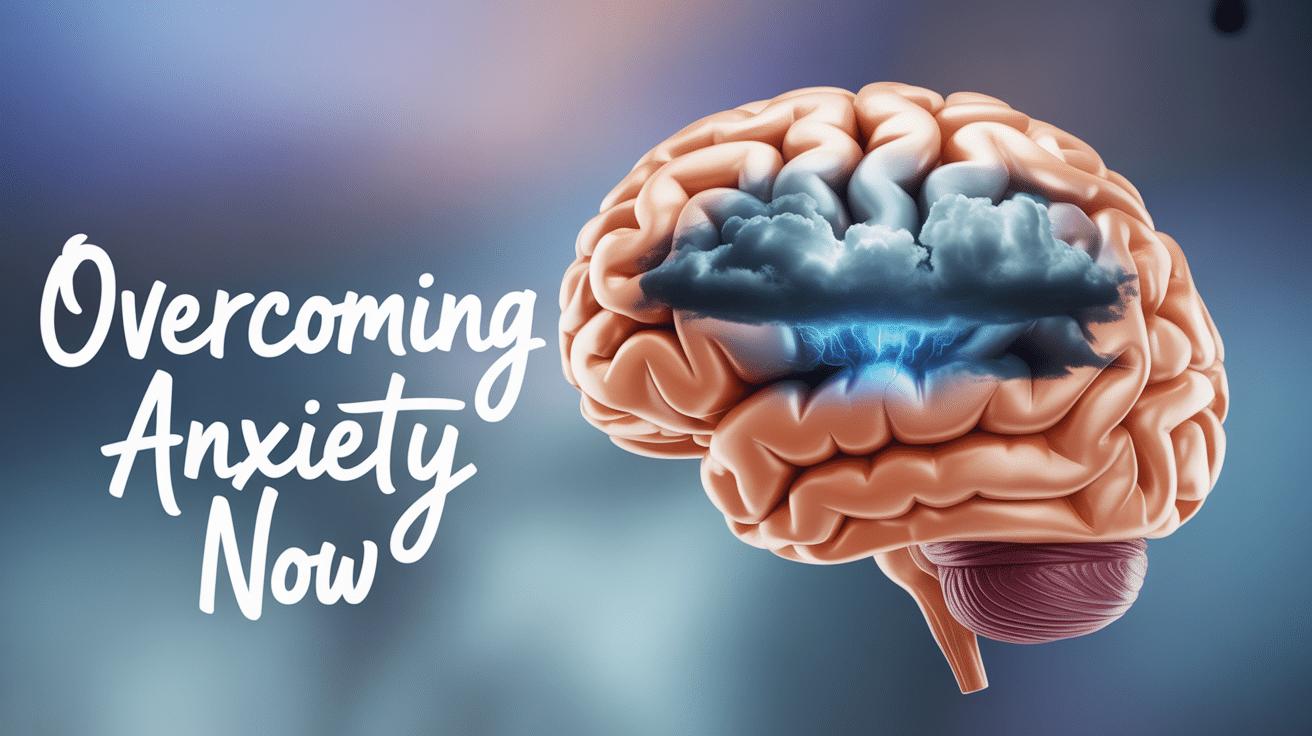
How Anxiety Affects the Body and Mind: Understanding Physical and Mental Symptoms for Better Health
Anxiety triggers a cascade of physical distress and mental strain that can disrupt daily life and well-being. Understanding how anxiety affects the body and mind unveils critical warning signs and pathways to relief. In this guide, we explore systemic symptoms—cardiovascular, digestive, respiratory, musculoskeletal, immune—unpack brain and cognitive effects, reveal long-term risks, detail disorder types, and highlight local treatment strategies in Orange County.
What Are the Physical Symptoms of Anxiety and How Do They Affect the Body?
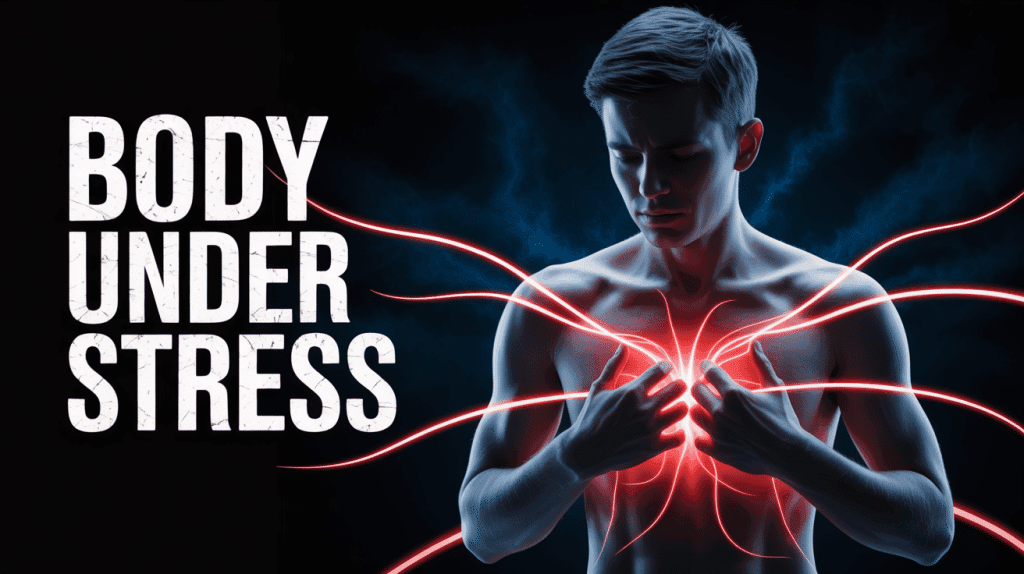
Anxiety manifests physically through several body systems when the fight-or-flight response is activated.
- Cardiovascular dysregulation
- Gastrointestinal disturbance
- Respiratory strain
- Musculoskeletal tension
- Immune suppression
These manifestations demonstrate how chronic stress can translate into tangible bodily discomfort if left unmanaged.
How Does Anxiety Impact the Cardiovascular System?
Anxiety increases heart rate and blood pressure by triggering adrenaline release, which directly elevates cardiac workload. This surge in stress hormones causes palpitations and a sensation of pounding in the chest as the body prepares to face perceived threats. Persistent cardiovascular activation can contribute to hypertension over time, underscoring the need for early stress-management interventions.
What Are the Digestive System Symptoms Caused by Anxiety?
Anxiety disrupts normal gut function by altering motility and increasing stomach acid through cortisol and adrenaline pathways. Common symptoms include nausea, abdominal cramping, bloating, and flare-ups of irritable bowel syndrome. These digestive disturbances reflect the gut–brain axis in action, linking emotional stress to physical discomfort and signaling that mental health care can ease gastrointestinal distress.
How Does Anxiety Affect the Respiratory System and Breathing?
Anxiety provokes rapid, shallow breathing by tightening the chest and neck muscles under sympathetic activation. Hyperventilation can lead to dizziness, tingling sensations, and a subjective feeling of suffocation, which often intensifies panic. Learning breathing techniques can break this cycle of respiratory distress and restore calm, illustrating how physiological control supports emotional relief.
What Musculoskeletal Issues Are Linked to Anxiety?
Muscle tension, particularly in the shoulders, neck, and jaw, arises when stress pathways maintain the body in a constant state of readiness. This tension can trigger tension-type headaches, jaw pain, and back discomfort. Over time, chronic contraction leads to stiffness and increased pain sensitivity, emphasizing how anxiety prevention strategies also protect musculoskeletal health.
How Does Anxiety Weaken the Immune System?
Anxiety elevates cortisol levels, which suppress white blood cell activity and reduce antibody production. Over prolonged periods, this immunosuppression increases susceptibility to infections, slows wound healing, and raises inflammation markers. Addressing anxiety through therapeutic interventions strengthens immune resilience and reduces long-term health risks.
Body System
Symptom
Mechanism
Cardiovascular
Rapid heart rate, palpitations
Adrenaline surge increases cardiac output
Digestive
Nausea, abdominal cramping, bloating
Cortisol alters gut motility and acidity levels
Respiratory
Shortness of breath, hyperventilation
Muscle tension restricts chest expansion
Musculoskeletal
Muscle stiffness, headaches
Prolonged contraction from fight-or-flight state
Immune
Increased infections
Cortisol suppresses immune cell function
These physical responses illustrate the body’s alarm system in action and underscore the importance of addressing anxiety early. Understanding these bodily reactions primes consideration of how anxiety reshapes brain function, which we examine next.
How Does Anxiety Affect the Brain and Mental Function?
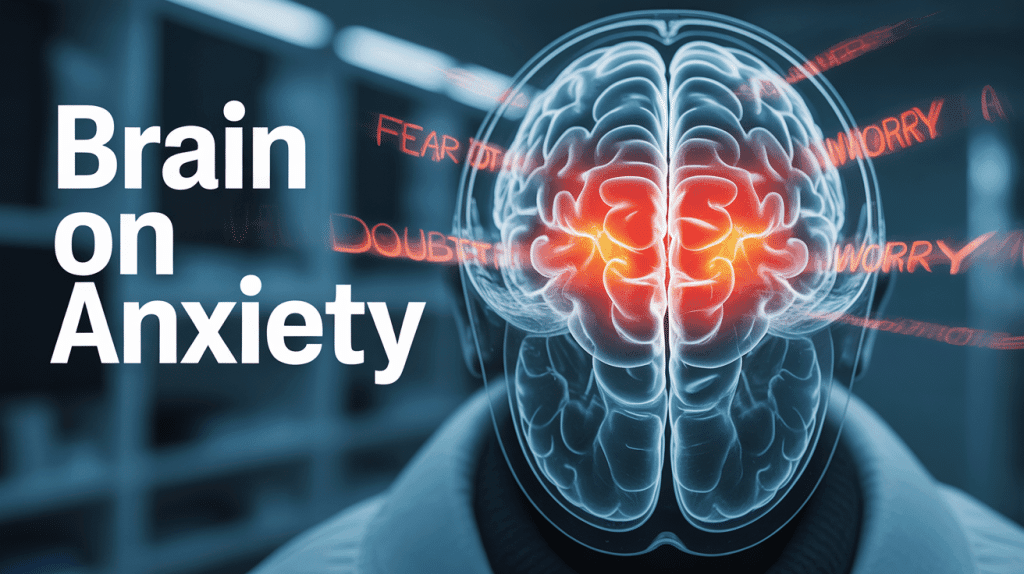
Anxiety is a mental health condition that disrupts neural circuits, elevates stress chemicals, and impairs emotional regulation. By triggering excessive neurotransmitter release and chronic cortisol exposure, anxiety alters brain structures involved in fear processing, memory, and decision-making. Recognizing these mental effects supports targeted coping strategies and therapeutic care.
Brain Region
Function
Anxiety Impact
Amygdala
Threat detection
Heightened activation causes exaggerated fear
Prefrontal Cortex
Executive control
Impaired regulation leads to poor decision-making
Hippocampus
Memory consolidation
Chronic stress shrinks volume, affecting recall
These alterations set the stage for specific cognitive, emotional, and sleep disturbances that demand personalized intervention plans.
What Brain Regions Are Involved in Anxiety’s Mental Effects?
The amygdala, prefrontal cortex, and hippocampus form a network that governs emotional responses and cognitive control. Anxiety amplifies amygdala activity, which signals threats to the prefrontal cortex, while chronically elevated cortisol can damage hippocampal neurons. This dysregulation explains persistent worry, impaired judgment, and memory lapses.
How Does Anxiety Impair Cognitive Functions Like Memory and Concentration?
Anxiety diverts cognitive resources toward threat monitoring, reducing working memory capacity and focus. Difficulty sustaining attention, increased distractibility, and slower information processing are common as the brain prioritizes perceived dangers over tasks. Strengthening executive functions through cognitive-behavioral techniques can restore concentration and memory performance.
What Emotional Symptoms Does Anxiety Cause?
Anxiety produces persistent feelings of apprehension, irritability, dread, and occasional panic episodes. These emotional symptoms stem from altered neurotransmitter balance—especially excess norepinephrine and reduced GABA—which disrupts mood regulation. Addressing these emotional patterns through psychotherapy supports improved emotional resilience.
How Does Anxiety Disrupt Sleep Patterns and Cause Fatigue?
Anxiety interferes with the ability to fall and stay asleep by maintaining high arousal levels during rest cycles. Insomnia, frequent nighttime awakenings, and nonrestorative sleep lead to daytime fatigue, reduced alertness, and worsened mood. Sleep hygiene education and relaxation techniques can break this cycle and enhance overall brain health.
By appreciating how anxiety reshapes mental function, we can anticipate long-term consequences if left untreated and choose effective interventions.
What Are the Long-Term Effects of Untreated Anxiety on Health and Life?
Untreated anxiety transforms from a manageable stress response into a chronic health burden through sustained cortisol exposure and neural changes. Over months to years, this relentless activation can fuel cardiovascular disease, metabolic imbalance, mental health comorbidities, and social impairment. Understanding these risks motivates timely intervention and ongoing management.
How Can Chronic Anxiety Lead to Heart Disease and Other Health Conditions?
Persistent high blood pressure and inflammation from chronic anxiety damage arterial walls and promote atherosclerosis. Individuals with long-standing anxiety are at increased risk for coronary artery disease, stroke, and diabetes. Early stress-reduction strategies protect cardiovascular health and mitigate these serious outcomes.

What Is the Impact of Anxiety on Quality of Life and Relationships?
Anxiety’s grip on daily life can erode social confidence, limit participation in activities, and strain interpersonal bonds. Social withdrawal, irritability, and difficulty expressing emotions impair relationship satisfaction. Cultivating coping skills and seeking supportive therapy enhances social functioning and life fulfillment.
How Does Anxiety Increase the Risk of Substance Use and Co-occurring Disorders?
Many individuals self-medicate anxiety with alcohol, benzodiazepines, or stimulants, leading to dependence and comorbid substance use disorders. Anxiety also commonly co-occurs with depression, magnifying disability and complicating treatment. Integrated approaches that address both anxiety and co-occurring conditions yield the best long-term outcomes.
The broad consequences of untreated anxiety highlight the critical need for accurate diagnosis and comprehensive care plans.
What Are the Different Types of Anxiety Disorders and Their Unique Effects?
Anxiety disorders form a cluster of related conditions, each with distinct physical and mental profiles. Understanding the nuances of generalized anxiety disorder, panic disorder, social anxiety, and specific phobias guides personalized treatment and improves recovery rates.
What Are the Symptoms and Body-Mind Effects of Generalized Anxiety Disorder (GAD)?
Generalized anxiety disorder produces pervasive, excessive worry about multiple life domains. Physically, GAD often causes muscle tension, headaches, gastrointestinal upset, and restlessness. Mentally, it impairs concentration and sleep. Recognizing this pattern allows early implementation of cognitive-behavioral therapy and relaxation training.
How Does Panic Disorder Manifest Physically and Mentally?
Panic disorder features sudden, intense episodes of overwhelming fear accompanied by heart palpitations, sweating, tremors, chest pain, and a sense of doom. Each panic attack reinforces fear of recurrence, creating a vicious cycle of avoidance. Exposure-based therapies and interoceptive exercises help break this pattern.
What Are the Effects of Social Anxiety and Specific Phobias on the Body and Mind?
Social anxiety triggers intense fear of judgment, leading to blushing, trembling, rapid heart rate, and avoidance of social situations. Specific phobias provoke similar physical reactions when encountering the feared object or scenario. Both conditions benefit from exposure therapy and social-skills training to rebuild confidence and reduce physical arousal.
By mapping each disorder’s signature symptoms, individuals can pursue targeted therapies that address both body and mind.
How Can Anxiety Be Treated and Managed in Orange County?
Anxiety treatment combines evidence-based therapies, medication management, and holistic strategies to promote lasting resilience. Local access to expert providers ensures individuals receive compassionate, tailored care close to home.
What Psychotherapy Options Are Effective for Anxiety?
Cognitive Behavioral Therapy (CBT) restructures negative thought patterns to reduce maladaptive worry, while Dialectical Behavior Therapy (DBT) teaches emotion-regulation and distress-tolerance skills. Exposure therapy confronts fears in a controlled way, decreasing avoidance behaviors. These approaches directly rewire stress responses for sustained benefit.
How Does Medication Help Manage Anxiety Symptoms?
Selective serotonin reuptake inhibitors and benzodiazepines modulate neurotransmitters to alleviate anxiety, improving mood and reducing physiological hyperarousal. Medication management under professional supervision balances symptom relief with side-effect monitoring, forming an integral component of many treatment plans.
What Holistic and Stress-Reduction Techniques Support Anxiety Treatment?
Mindfulness meditation, progressive muscle relaxation, deep-breathing exercises, and yoga activate the parasympathetic nervous system to counterbalance stress. Nutritional optimization—such as maintaining stable blood sugar and reducing caffeine—further soothes anxiety. These complementary methods enhance the effectiveness of core therapies.
Where Can Orange County Residents Find Anxiety Treatment and Support?
Residents in Huntington Beach and surrounding Orange County communities can access comprehensive anxiety services at Huntington Beach Mental Health. Experts offer psychiatric evaluation, individual and group therapy, and medication consultations, all by secure video. Compassionate clinicians help guide each step of recovery, ensuring culturally sensitive and personalized care.
Integrating these therapies within one practice streamlines treatment and accelerates progress toward stability and hope.
When Should You Seek Professional Help for Anxiety Symptoms?
Recognizing the point at which self-care is no longer sufficient guides timely intervention and prevents symptom escalation.
What Are the Warning Signs That Indicate the Need for Treatment?
- Persistent worry for six months or longer that interferes with daily tasks
- Frequent panic attacks or overwhelming fear responses
- Severe sleep disturbances and chronic fatigue
- Avoidance of work, social, or recreational activities due to anxiety
- Physical symptoms—heart palpitations, gastrointestinal pain, frequent headaches—that lack clear medical causes
These indicators suggest professional evaluation to identify underlying conditions and develop an effective care plan.
What Should You Do During a Panic Attack or Severe Anxiety Episode?
- Practice controlled breathing: inhale slowly for four counts, exhale for six
- Ground yourself: name five things you see, four you can touch, three you hear
- Use positive self-talk: “This will pass; I am safe”
- Engage in light movement, such as walking, to dissipate adrenaline
- Reach out for support: call a trusted friend or crisis line if needed
Implementing these strategies can interrupt the panic cycle and restore a sense of control until further help is available.
Clarity on when and how to act empowers individuals to navigate acute episodes and prevents long-term harm.
How Does the Body’s Fight-or-Flight Response Explain Anxiety’s Physical and Mental Effects?
The fight-or-flight response is the body’s primitive alarm system, releasing adrenaline and cortisol to prepare for danger. This adaptive mechanism becomes maladaptive when triggered without real threats, driving the physical and mental effects of anxiety.
What Happens in the Body During the Fight-or-Flight Response?
- Adrenal glands secrete adrenaline and noradrenaline.
- Heart rate and blood pressure rise.
- Airways dilate for increased oxygen intake.
- Blood redirects from digestion to muscles.
- Cortisol floods the system, raising glucose levels for energy.
How Does This Response Affect Different Body Systems?
- Cardiovascular: increased workload and hypertension risk
- Respiratory: hyperventilation and chest tightness
- Digestive: impaired motility and acid imbalance
- Musculoskeletal: sustained muscle contraction and pain
- Immune: cortisol-mediated suppression of defense cells
Understanding this unified mechanism ties all physical and mental symptoms together, revealing why comprehensive treatment must address the underlying stress response.
What Are Common Questions About Anxiety’s Impact on the Body and Mind?
People often seek concise, actionable insights into anxiety’s effects and management strategies. The following answers clarify core concerns about physical and mental health impacts.
What Are the Most Common Physical Symptoms of Anxiety?
- Heart palpitations and rapid pulse
- Muscle tension and headaches
- Shortness of breath and hyperventilation
- Gastrointestinal upset like nausea or diarrhea
- Increased susceptibility to infections
These symptoms reflect the body’s stress-response activation and signal when professional care may be needed.
How Does Anxiety Affect Brain Function and Mental Health?
Anxiety alters neurotransmitter balance and stress-hormone levels, heightening amygdala activity (fear center) and impairing prefrontal cortex regulation. This leads to poor concentration, memory difficulties, emotional dysregulation, and sleep disruption. Early intervention restores neurochemical balance and mental clarity.
Can Anxiety Cause Long-Term Health Problems?
Chronic anxiety sustained over months or years increases risks for heart disease, hypertension, diabetes, immune dysfunction, and neurodegeneration. Additionally, untreated anxiety can evolve into depression, substance use disorders, and significant social impairment. Timely treatment mitigates these long-term health threats.
How Is Anxiety Different from Panic Attacks?
Anxiety is a persistent state of worry and physiological arousal, whereas panic attacks are acute, intense episodes of fear peaking within minutes. Panic disorder centers on recurrent attacks and fear of their recurrence, while generalized anxiety disorder involves continual anxiety across varied situations. Distinguishing these conditions guides targeted treatment strategies.
These focused answers equip readers to recognize critical distinctions and seek the right type of support.
Anxiety’s influence on both body and mind underscores its pervasive reach—and the potential for recovery when symptoms are recognized and addressed. By connecting physical manifestations with mental mechanisms, individuals gain clarity on when to seek help, how to manage acute episodes, and where to find compassionate treatment in Orange County. Early action not only eases immediate distress but also safeguards long-term health and quality of life.
Continued collaboration with experienced professionals at a local practice like Huntington Beach Mental Health ensures personalized pathways to resilience, empowering each person to reclaim well-being and hope.