
How Anxiety and Depression Often Overlap: Understanding Comorbidity and Integrated Treatment
More than half of individuals diagnosed with depression also experience an anxiety disorder, demonstrating how anxiety and depression often overlap and create compounded challenges for mental well-being. This overlap intensifies symptoms, complicates diagnosis, and demands an integrated treatment plan that addresses both conditions simultaneously. In this article, you will explore the biological and psychological link between anxiety and depression, recognize their shared symptoms, understand diagnostic complexities, compare evidence-based therapies, learn how to access specialized care in Orange County, and discover practical coping strategies. By weaving in insights on Huntington Beach Mental Health’s virtual therapy and psychiatry care, we offer clear guidance toward personalized treatment plans for anxiety and depression.
The Critical Relationship Between Anxiety and Depression
What Is the Link Between Anxiety and Depression?
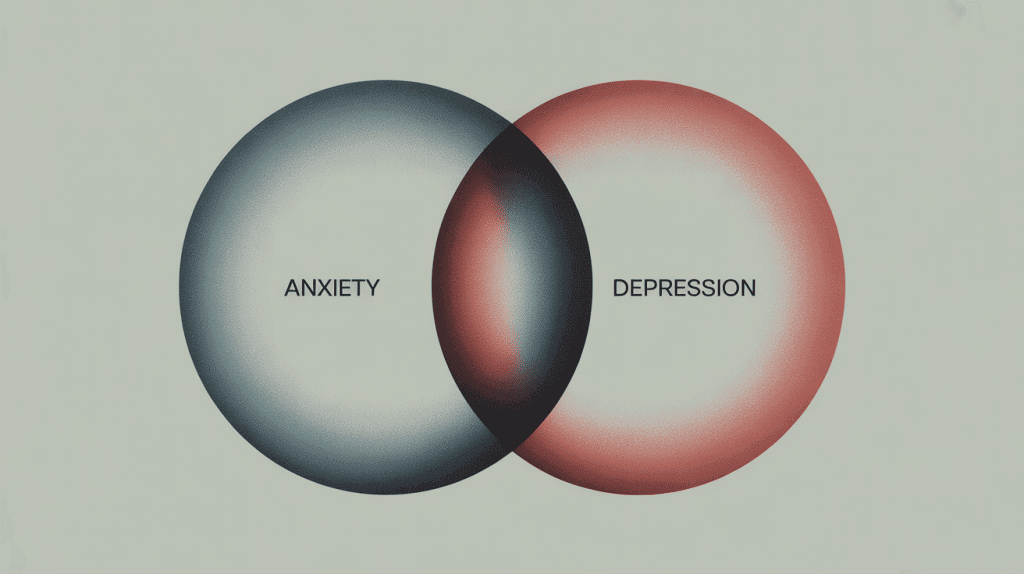
Anxiety and depression frequently co-occur because they share underlying neurochemical imbalances, stress responses, and cognitive patterns that reinforce each other. This comorbidity emerges when persistent worry and fear amplify low mood and hopelessness, creating a feedback loop that heightens overall distress. For example, chronic worry about social situations can erode self-esteem, deepening depressive thoughts and reducing motivation to engage in daily activities. Understanding this link sets the stage for targeted interventions that simultaneously address both conditions.
How Do Anxiety and Depression Co-Occur?
Anxiety and depression co-occur when heightened amygdala activity that triggers excessive worry coincides with reduced prefrontal regulation linked to low mood. Stressful life events, genetic predisposition, and learned coping patterns can shift a person’s emotional state from anxious hyperarousal into depressive withdrawal. These transitions often occur over weeks or months, reinforcing the need for therapies that target the entire emotional spectrum rather than isolated symptoms.
What Biological and Psychological Factors Connect Anxiety and Depression?
Neurotransmitter dysregulation—particularly serotonin, norepinephrine, and gamma-aminobutyric acid (GABA)—plays a central role in both anxiety and depression. Elevated cortisol from chronic stress alters hippocampal structure, impairing mood regulation and fear extinction. Psychologically, rumination on negative thoughts intensifies both anxious anticipation and depressive despair. Genetic studies indicate overlapping risk genes, while environmental triggers like trauma can activate both conditions in susceptible individuals, highlighting the necessity of comprehensive biological and psychological interventions.
Why Is Understanding Their Overlap Important for Treatment?
Recognizing the overlap between anxiety and depression ensures that clinicians design treatment plans addressing shared pathways rather than isolated symptoms. Integrated care reduces symptom severity faster and prevents relapse by stabilizing neurotransmitter balance, reshaping cognitive distortions, and improving coping skills. Ignoring comorbidity risks incomplete recovery and higher rates of functional impairment, underscoring why an integrated approach is essential for durable well-being.
Understanding Comorbid Depression and Anxiety
Shared symptoms of anxiety and depression emerge because both conditions disrupt emotional regulation, sleep cycles, and cognitive function in similar ways. Fatigue, irritability, and difficulty concentrating result from overlapping neurotransmitter imbalances and stress responses. Recognizing these commonalities helps patients and clinicians identify dual diagnoses early and choose therapies that alleviate multiple symptoms concurrently.
Which Symptoms Are Common to Both Conditions?
- Restlessness and agitation often accompany persistent worry and low mood.
- Sleep disturbances manifest as insomnia or hypersomnia across both conditions.
- Fatigue and low energy arise from chronic stress and disrupted neurotransmitter levels.
- Irritability and mood swings reflect emotional dysregulation in both disorders.
- Difficulty concentrating and decision-making stem from cognitive overload and negative thought patterns.
How Can Shared Symptoms Complicate Diagnosis?
When anxiety and depression present with the same signs—such as sleep problems or fatigue—clinicians may underestimate the presence of a second condition. Symptom overlap can lead to misdiagnosis, delayed treatment, and reliance on therapies that address only one disorder. Accurate screening tools, thorough clinical interviews, and awareness of comorbidity patterns reduce these diagnostic pitfalls and guide effective dual-focus interventions.
How Do Symptoms Differ Between Anxiety and Depression?
Symptom Category
Anxiety-Dominant Features
Depression-Dominant Features
Cognitive Patterns
Excessive worry about future events
Persistent negative self-evaluation
Physical Signs
Rapid heartbeat, muscle tension
Psychomotor slowing or agitation
Emotional Tone
Heightened fear and anticipatory dread
Deep sadness, numbness, or emptiness
Motivation Level
Avoidance of perceived threats
Withdrawal from previously enjoyed activities
Sleep Patterns
Difficulty falling asleep due to racing thoughts
Early morning awakening and inability to return to sleep
How Is Co-Occurring Anxiety and Depression Diagnosed?
Co-occurring anxiety and depression are diagnosed through a combination of clinical interviews, standardized questionnaires, and observation of symptom patterns over time. Integrated diagnostic assessments capture the full spectrum of emotional, cognitive, and physiological signs, ensuring accurate identification of both conditions and informing a tailored treatment plan.
What Are the Challenges in Diagnosing Dual Disorders?
Dual-disorder diagnosis is complicated by symptom overlap, variable onset patterns, and individual coping mechanisms that mask core issues. Anxiety may precede depression or vice versa, and patients often seek help only when symptoms intensify. Clinicians must disentangle intertwined symptoms through careful history-taking, collateral information from family, and longitudinal monitoring to arrive at a precise diagnosis.
Which Diagnostic Tools and Assessments Are Used?
- The Patient Health Questionnaire-9 (PHQ-9) measures depressive symptom severity.
- The Generalized Anxiety Disorder-7 (GAD-7) scale assesses anxiety levels.
- Structured clinical interviews (e.g., SCID-5) explore diagnostic criteria in depth.
- Mood diaries and sleep logs track symptom patterns over weeks.
How Does Comorbidity Affect Symptom Severity and Prognosis?
Comorbidity often amplifies symptom severity, leading to greater functional impairment in work, relationships, and self-care. Individuals with both anxiety and depression face higher relapse rates and longer recovery times when treated with single-focus approaches. Integrated treatment correlates with improved remission rates and enhanced quality of life by addressing overlapping risk factors and reinforcing adaptive coping strategies.

What Are Effective Integrated Treatment Approaches for Anxiety and Depression?
Effective integrated treatment merges evidence-based psychotherapies, medication management, and holistic support to address both anxiety and depression simultaneously. This comprehensive approach promotes neurotransmitter balance, cognitive restructuring, and lifestyle adjustments that sustain long-term recovery.
How Does Cognitive Behavioral Therapy (CBT) Address Both Conditions?
Cognitive Behavioral Therapy reduces anxious worry and depressive rumination by challenging distorted thoughts and reinforcing adaptive behaviors. Through guided exercises and exposure techniques, CBT restructures fear-based beliefs and counters negative self-judgments, thereby improving mood stability and reducing hyperarousal.
What is Cognitive Behavioral Therapy?
What Role Does Medication Management Play in Integrated Care?
Medication management stabilizes neurotransmitter systems disrupted in both anxiety and depression. Selective serotonin reuptake inhibitors (SSRIs) and serotonin-norepinephrine reuptake inhibitors (SNRIs) enhance mood and reduce anxiety by increasing synaptic availability of key neurotransmitters. Regular monitoring and dosage adjustments optimize efficacy and minimize side effects.
Pharmacotherapy for Depression and Anxiety in the Primary Care Setting
How Do Holistic and Combined Therapies Improve Recovery?
Integrating yoga, mindfulness meditation, and Dialectical Behavior Therapy (DBT) complements psychotherapy and pharmacotherapy by reducing stress hormones, teaching distress-tolerance skills, and promoting emotional regulation. Nutritional counseling, exercise plans, and peer support groups address lifestyle factors that influence mental health, creating a synergy that accelerates healing.
Why Is Integrated Treatment Essential for Co-Occurring Disorders?
Integrated treatment aligns therapeutic targets with the interconnected nature of anxiety and depression, ensuring that interventions for one condition reinforce progress in the other. This holistic alignment reduces symptom resurgence, fosters resilience, and supports a unified recovery trajectory rather than fragmented progress.
How Can Individuals Access Integrated Anxiety and Depression Treatment in Orange County?
Residents of Orange County can access specialized integrated care through local mental health centers, private practices, and telehealth services that prioritize dual-diagnosis treatment. Choosing a provider experienced in combined therapies and personalized care pathways ensures seamless progression from assessment to enrollment.
What Specialized Services Does Huntington Beach Mental Health Offer?
Huntington Beach Mental Health delivers comprehensive programs for co-occurring anxiety and depression, including individualized CBT modules, DBT groups, medication consultations, and holistic wellness workshops. Clinicians collaborate across disciplines to create cohesive treatment plans tailored to each person’s unique symptom profile and life circumstances.
How Does Local Access Improve Treatment Outcomes?
Local access to integrated care enhances continuity of support, fosters community engagement, and reduces barriers such as travel time. Being treated close to home in Orange County allows for stronger family involvement, easier scheduling, and timely adjustments to therapy, all of which boost adherence and accelerate recovery.
What Is the Patient Journey From Diagnosis to Enrollment?
The enrollment process unfolds in four clear stages:
- Intake Assessment – Comprehensive clinical interview and standardized screening.
- Treatment Planning – Collaborative goal-setting and selection of evidence-based modalities.
- Therapy Initiation – Scheduling of individual and group sessions, plus medication review.
- Ongoing Support – Progress monitoring, family consultations, and community resource integration.
How Can Telehealth Support Treatment for Co-Occurring Disorders?
Telehealth expands access to integrated therapy by offering virtual CBT, medication management, and support groups. Online sessions maintain therapeutic momentum during travel disruptions or mobility challenges, ensuring consistent care and enabling Orange County patients to connect with specialists without geographic constraints.
What Coping Strategies and Support Systems Help Manage Dual Diagnosis?
Sustained management of co-occurring anxiety and depression relies on daily self-care routines, peer and professional support networks, and practical coping techniques. These strategies build resilience, reduce symptom flare-ups, and reinforce progress achieved in therapy.
Which Self-Care Techniques Are Effective for Anxiety and Depression?
Daily self-care practices foster stability and include:
- Mindful Breathing Exercises to reduce stress hormone levels and center attention.
- Structured Activity Scheduling to combat low motivation and promote behavioral activation.
- Progressive Muscle Relaxation to alleviate physical tension and improve sleep quality.
- Gratitude Journaling to shift focus toward positive experiences and counter negative thinking.
How Do Support Groups and Community Resources Assist Recovery?
Connecting with peers through support groups offers validation, shared coping strategies, and accountability. Community resources such as crisis hotlines, wellness classes, and mental health workshops provide additional layers of guidance and education. This network of support mitigates isolation and encourages sustained engagement in positive behaviors.
What Are Practical Tips for Managing Overlapping Symptoms Daily?
Effective daily management hinges on consistent routines and practical adjustments:
Practice
Purpose
Implementation Tip
Grounding Techniques
Interrupt racing thoughts
Use the “5-4-3-2-1” sensory exercise when anxious.
Regulate mood and energy levels
Establish fixed wake-up and bedtime hours.
Balanced Nutrition
Support neurotransmitter balance
Include omega-3 rich foods and reduce sugar intake.
Activity Breaks
Prevent burnout and fatigue
Schedule short walks or stretching every hour.
What Are Common Questions About Anxiety and Depression Overlap?
People often seek clear answers on the connection, treatment, and support strategies for co-occurring anxiety and depression. Addressing these questions directly helps build confidence and informs next steps toward recovery.
Can Anxiety and Depression Be Linked?
Yes, anxiety and depression are intrinsically linked by shared neurotransmitter imbalances, stress responses, and negative thought cycles, which makes comorbidity common and interdependent in many individuals.
How Do You Treat Anxiety and Depression at the Same Time?
Treating both conditions simultaneously requires an integrated approach combining Cognitive Behavioral Therapy with appropriate medication management (such as SSRIs or SNRIs) and holistic interventions like mindfulness and DBT skills training.
Which Condition Usually Develops First: Anxiety or Depression?
Anxiety often precedes depression when chronic worry and hypervigilance erode mood over time, though in some cases persistent low mood and anhedonia can lead to heightened anxiety about daily functioning.
What Are the Risks of Untreated Co-Occurring Disorders?
Untreated overlap increases the risk of severe functional impairment, substance misuse, suicidal thoughts, and prolonged recovery periods, emphasizing the urgency of timely, integrated intervention.
How Can Family and Friends Support Someone With Both Conditions?
Family and friends can offer support by learning about co-occurring symptoms, practicing active listening without judgment, encouraging consistent therapy attendance, and fostering a stable, understanding home environment.
Living with both anxiety and depression poses challenges, but understanding their overlap and committing to integrated care lays the foundation for sustained recovery. If these insights resonate with your experience, consider consulting with a specialized provider to begin a personalized dual-diagnosis treatment plan tailored to your needs.