
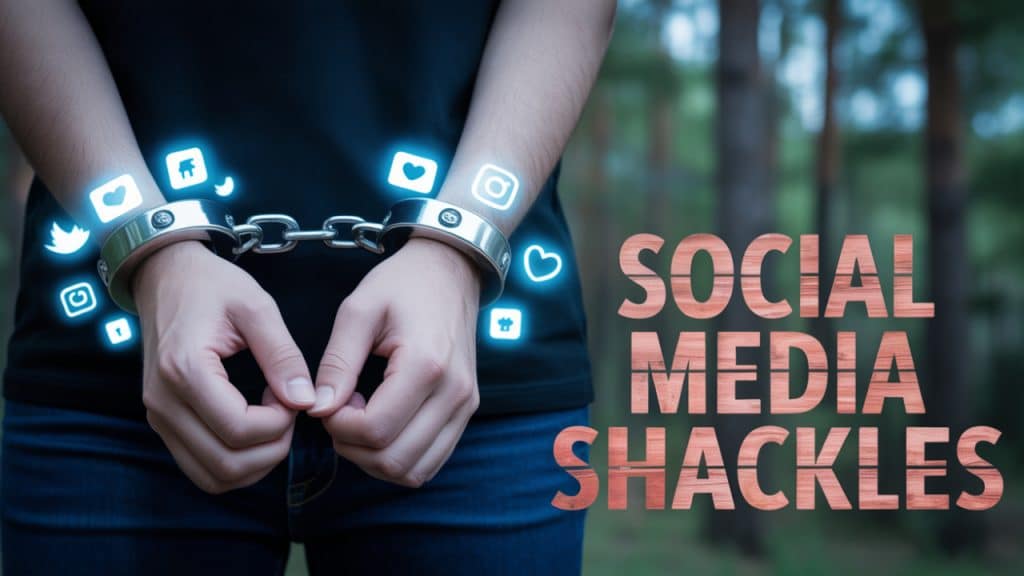
How Does Social Media Affect Mental Health? A Comprehensive Guide to Understanding and Managing Its Impact

Nearly half of adolescents report increased anxiety after scrolling through curated feeds, illustrating how deeply social media can shape emotional well-being. This guide unpacks how social media affects mental health by examining primary conditions linked to platform use, exploring the mechanisms that exacerbate symptoms, identifying signs of addiction and overuse, and highlighting youth-specific vulnerabilities. You will discover evidence-based coping strategies, prevention methods, and localized treatment and support options in Orange County, including services at Huntington Beach Mental Health. By mapping these insights, you’ll gain a clear roadmap for understanding risks, recognizing warning signs, and accessing professional help.
What Are the Main Mental Health Conditions Linked to Social Media Use?
Social media use correlates with an elevated risk of several mental health conditions due to constant exposure to idealized imagery, peer comparison, and online stressors. Platforms designed for engagement can trigger anxiety disorders, mood disturbances, disordered eating, and disrupted sleep through reward-driven feedback loops.
| Condition | Prevalence Increase | Primary Trigger |
|---|---|---|
| Anxiety & Social Anxiety | Up to 30 % with heavy use | Notification overload & comparison |
| Depression | 20 % higher risk | Passive consumption & isolation |
| Body Dysmorphia & Eating | 25 % more likely in youth | Filtered images & idealized posts |
| Sleep Disturbances | 35 % report sleep loss | Nighttime scrolling & blue light |
These conditions often overlap, creating compounding stress that undermines digital well-being and mental resilience. Understanding their unique attributes leads us into specific disorder mechanisms and symptoms.
How Does Social Media Contribute to Anxiety and Social Anxiety Disorder?
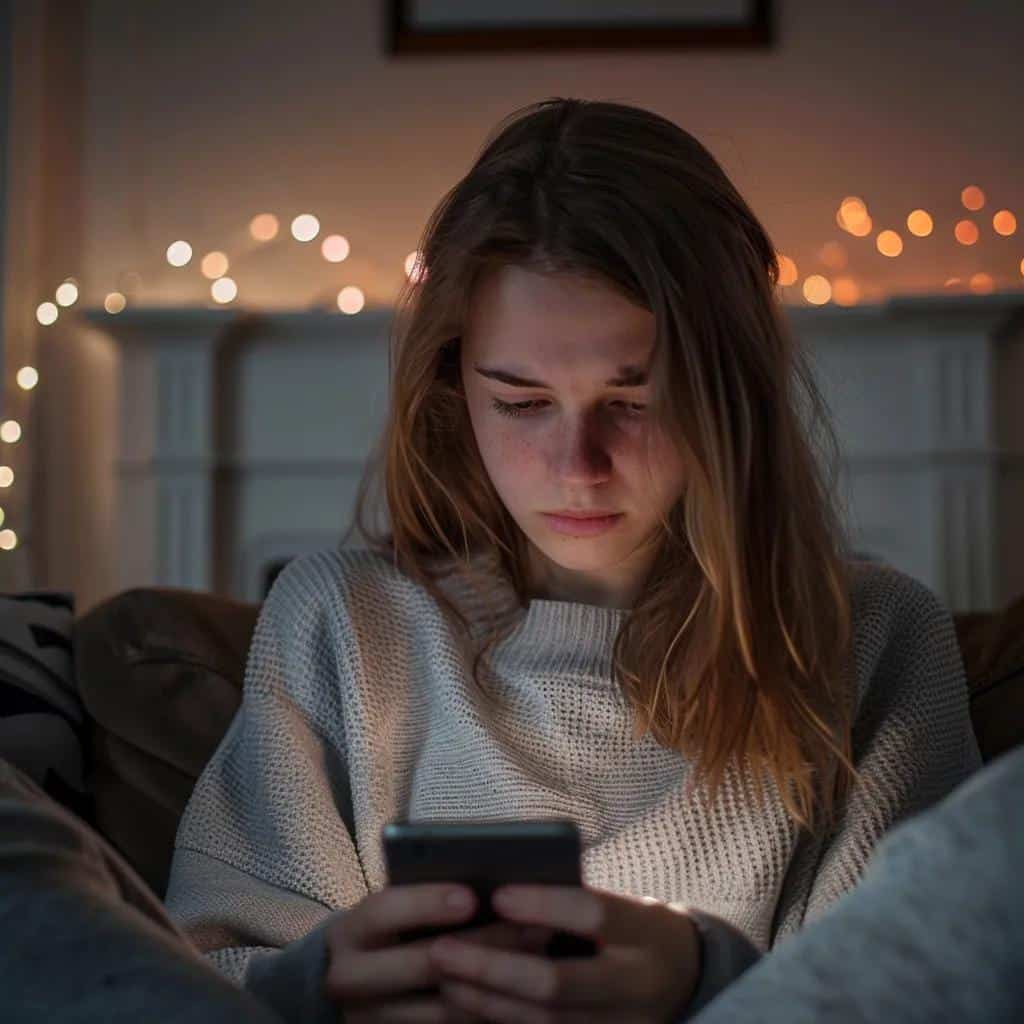
Social media platforms contribute to anxiety by fostering perpetual social evaluation and real-time performance pressure. When notifications trigger cortisol spikes, individuals experience heightened vigilance and anticipatory worry.
Social Media and Anxiety
Research indicates a significant correlation between heavy social media use and increased anxiety levels, with some studies showing up to a 30% increase in anxiety among heavy users. This heightened anxiety is often linked to constant exposure to notifications and social comparison.
This research supports the article’s claims about the impact of social media on anxiety disorders.
- Constant Connectivity: Instant messages and alerts maintain a state of hyperarousal.
- Comparison Culture: Highlight reels prompt fear of not measuring up.
- Perceived Judgment: Public commenting features amplify self-consciousness.
These anxiety drivers erode confidence and can evolve into social anxiety disorder when offline interactions feel equally threatening. Recognizing these triggers prepares us to address mood regulation and self-esteem restoration.
What Is the Relationship Between Social Media and Depression?
Social media influences depressive symptoms through emotional contagion and reduced real-world engagement. Passive scrolling often displaces meaningful social interaction.
| Entity | Mechanism | Impact on Depression |
|---|---|---|
| Passive Consumption | Viewing content without interaction | Amplifies feelings of isolation (↑40 %) |
| Negative Feedback | Public criticism or lack of likes | Lowers self-worth and mood stability |
| Echo Chambers | Repetitive exposure to negativity | Reinforces hopeless thinking patterns |
Engaging purposefully rather than mindlessly can interrupt these cycles and pave the way for more positive online experiences.
How Does Social Media Influence Body Dysmorphia and Eating Disorders?

Body image concerns intensify when users compare themselves to digitally enhanced profiles. Unrealistic beauty standards set by influencers can trigger obsessive behaviors.
Social Media and Body Image
Studies have shown that exposure to idealized images on social media can significantly impact body image, particularly among young people. This exposure can lead to body dissatisfaction and an increased risk of eating disorders.
This citation provides evidence for the article’s discussion on the effects of social media on body image issues.
- Curated Feeds: Continuous exposure to “perfect” bodies.
- Filter Effects: Augmented reality tools distort self-perception.
- Community Reinforcement: Pro-eating disorder groups normalize unhealthy practices.
Addressing these factors through critical media literacy and professional guidance can mitigate disordered eating patterns.
What Are the Effects of Social Media on Sleep Disturbances?
Nighttime screen time disrupts circadian rhythms and impairs restorative sleep, increasing fatigue and mood swings.
Social Media and Sleep Disturbances
Research has established a link between nighttime social media use and sleep disturbances. The blue light emitted from screens and the fear of missing out (FOMO) contribute to delayed sleep onset and reduced sleep quality.
This research supports the article’s claims about the effects of social media on sleep patterns.
- Blue Light Exposure delays melatonin production and sleep onset.
- Fear of Missing Out (FOMO) fuels late-night checking behaviors.
- Emotional Overstimulation from dramatic or distressing content.
Managing screen habits and establishing digital curfews helps restore sleep hygiene and emotional balance.
How Does Social Media Cause or Exacerbate Mental Health Issues?
Social media’s design features can intensify underlying vulnerabilities and trigger distress.
What Role Does Fear of Missing Out (FOMO) Play in Social Media Anxiety?
Fear of missing out drives compulsive checking and persistent worry. When individuals see peers attending events or traveling, they experience real-time social exclusion that heightens anxiety.
- Comparison Metrics based on stories and status updates.
- Continuous Availability through push notifications.
- Self-Worth Tethered to Visibility measured by view counts.
Addressing FOMO requires building offline engagement and self-compassion practices that reduce dependency on online validation.
How Does Social Comparison on Social Media Affect Mental Well-being?
Social comparison theory explains that users evaluate their worth against curated profiles, often leading to perceived inadequacy.
- Upward Comparison to idealized lifestyles, lowering self-esteem.
- Downward Comparison that can create false relief but prevent genuine connection.
- Algorithmic Reinforcement which amplifies content likely to engage negative emotions.
Cultivating media literacy and mindful consumption reduces the impact of social comparison.
What Is the Impact of Cyberbullying on Mental Health?
Cyberbullying exposes individuals to targeted harassment that inflicts emotional trauma and increases risk of depression and suicidal ideation.
- Persistent Harassment across platforms.
- Anonymity that emboldens aggressors.
- Isolation when victims withdraw from social circles.
Early intervention and professional therapy are critical to disrupt the bullying-trauma cycle.
How Does Overstimulation from Social Media Affect Emotional Health?
The rapid pace of content and multimedia formats overstimulates neural pathways, impairing emotional regulation.
- Infinite Scroll that removes natural stopping cues.
- Multisensory Inputs (video, audio, text) competing for attention.
- Variable Reward Schedules tied to likes and comments.
Implementing structured usage windows helps maintain cognitive clarity and emotional stability.
What Are the Signs and Symptoms of Social Media Addiction and Overuse?
Social media addiction mirrors behavioral dependencies through compulsive engagement and significant life interference.
| Symptom | Attribute | Illustration |
|---|---|---|
| Preoccupation | Persistent thoughts | Anxiety if unable to check feeds |
| Loss of Control | Failed attempts to cut back | Continued use despite negative effects |
| Withdrawal Symptoms | Irritability, sadness | Mood swings during disconnection |
| Neglect of Other Activities | Reduced offline social life | Decline in academic or work performance |
Spotting these hallmarks is the first step toward meaningful change.
How Can You Recognize Social Media Addiction?
Recognizing addiction involves noticing behavioral shifts and emotional dependence:
- Time Distortion: Losing track of hours spent online.
- Craving Responses: Feeling an urge to check after resisting.
- Functional Impairment: Missing deadlines or avoiding in-person events.
Early recognition enables timely coping interventions.
What Are the Mental Health Consequences of Excessive Screen Time?
Excessive screen time correlates with heightened stress, reduced attention spans, and mood dysregulation:
- Chronic Stress Activation via constant alerts.
- Attention Fragmentation from frequent task-switching.
- Emotional Numbing due to overstimulation.
Balancing digital activities with restorative offline pursuits supports holistic well-being.
What Digital Detox Strategies Help Manage Social Media Overuse?
A structured digital detox builds healthier habits and resets reward pathways:
- Schedule daily “no-screen” periods for reflection.
- Use app timers and notification controls to limit access.
- Replace scrolling with mindfulness exercises or physical activity.
These steps strengthen self-regulation and reduce reliance on digital validation.
How Does Social Media Affect Youth and Teen Mental Health Specifically?
Adolescents’ developing brains are especially sensitive to social feedback loops, making them vulnerable to platform-induced stressors.
| Entity | Attribute | Statistic |
|---|---|---|
| Teen Anxiety | Reported anxiety increase | 50 % feel anxious after posting |
| Body Image Concerns | Negative self-perception | 20 % fewer report positive self-image |
| Sleep Disruption | Shortened sleep duration | 75 % stay up past midnight on devices |
| Cyberbullying Impact | Depression and anxiety | 70 % higher depression risk if targeted |
These data underscore the need for tailored interventions in schools and families.
What Are the Latest Statistics on Teen Mental Health and Social Media Use?
Current research reveals that 95 % of teens use social media, with one-third online almost constantly. Girls report higher rates of anxiety (25 %) and sleep disruption (50 %) compared to boys.
How Does Social Media Impact Body Image Issues in Adolescents?
Teenagers often internalize filtered images as norms, leading to body dissatisfaction and disordered eating.
Influential elements include peer-driven challenges, influencer culture, and algorithmic promotion of appearance-focused content. Promoting media literacy and positive peer modeling can foster healthier self-perception.
What Are the Effects of Social Media on Teen Sleep Patterns?
Blue light exposure and nighttime engagement delay sleep onset, contributing to daytime fatigue, impaired concentration, and mood swings.
Encouraging teens to adopt device-free bedrooms and set evening boundaries enhances sleep quality and emotional regulation.
How Does Cyberbullying Affect Teen Depression and Anxiety?
When cyberbullying intersects with teen vulnerability, victims experience intensified negative self-talk and social withdrawal.
Supportive counseling and peer support networks are vital to counteract these harmful interactions.
What Treatment and Support Options Are Available for Social Media-Related Mental Health Issues in Orange County?
Local evidence-based services address digital stressors and restore mental well-being in a supportive community setting.
| Service | Provider | Description |
|---|---|---|
| Social Media Addiction Therapy | Huntington Beach Mental Health | Structured CBT and DBT programs for digital overuse |
| Anxiety & Depression Counseling | Huntington Beach Mental Health | Individual and group therapy for mood regulation |
| Digital Well-being Workshops | Orange County Youth Outreach | Peer-led skill-building sessions on media resilience |
These options form a continuum of care tailored to varied needs and severity levels.
What Therapy Options Treat Social Media Addiction and Anxiety?
Cognitive Behavioral Therapy (CBT) helps reframe compulsive patterns, while Dialectical Behavior Therapy (DBT) equips individuals with emotional regulation tools. Group therapy fosters peer accountability and shared coping strategies.
Huntington Beach Mental Health offers all these modalities, integrating telehealth and in-person sessions for flexibility.
How Can You Find a Mental Health Therapist in Huntington Beach?
Begin with an online search using keywords like “mental health services Huntington Beach.” Verify credentials, specialization in digital addiction, and insurance compatibility. Scheduling a brief consultation clarifies fit and treatment approach.
Visit our website’s therapist directory or call to discuss personalized care plans.
What Local Support Groups Promote Digital Well-being in Orange County?
Community groups such as “Digital Balance OC” host weekly meetups focusing on mindfulness, peer discussion, and skill‐building. School-based clubs and parent workshops also offer education on healthy technology habits.
Joining these networks reinforces positive behaviors and reduces isolation.
What Are Effective Coping Strategies and Prevention Methods for Social Media’s Mental Health Impact?
Proactive measures build resilience and foster healthier online relationships.
| Strategy | Mechanism | Benefit |
|---|---|---|
| Mindful Check-Ins | Self-reflection before posting | Reduces impulsive sharing and regret |
| Scheduled Usage Windows | Designated phone-free times | Restores focus and emotional balance |
| Positive Content Curation | Following supportive accounts | Enhances self-esteem and social support |
Implementing these strategies forms the foundation for sustainable digital well-being.
How Can Mindful Social Media Use Improve Mental Well-being?
Mindful use encourages intentional scrolling, setting clear goals for each session and avoiding aimless browsing.
This practice decreases stress responses and increases awareness of emotional triggers.
What Are the Best Practices for Managing Social Media-Induced Anxiety and Depression?
Best practices include combining behavioral activation (scheduling engaging activities) with cognitive reframing techniques learned in therapy. Regular check-ins with a mental health professional ensure ongoing support.
How Can Families Support Teens Facing Social Media Mental Health Challenges?
Families can establish open dialogues about online experiences, model balanced screen habits, and collaborate on digital curfews.
Family therapy sessions facilitate trust and collective problem-solving.
What Are Common Questions About Social Media’s Impact on Mental Health?
Understanding core concerns aids targeted support and demystifies platform effects.
Social media affects youth mental health by amplifying anxiety, disrupting sleep, and encouraging comparison that undermines self-esteem. Targeted education and open communication mitigate these pressures.
Negative effects include elevated depression rates linked to passive consumption, cyberbullying-induced trauma, and behavioral addictions that impair daily functioning. Recognizing these patterns is crucial for early intervention.
Positive aspects emerge when platforms facilitate peer support, mental health awareness campaigns, and access to resources. Engaging with supportive communities can bolster coping skills and reduce isolation.
Professional help becomes necessary when distress persists for weeks, academic or work performance declines, or individuals cannot disengage despite negative consequences. Early outreach to qualified therapists improves outcomes and fosters recovery.
Understanding how social media shapes mental health empowers individuals and families to recognize warning signs, adopt healthier digital routines, and seek specialized care when needed. If you or a loved one experience distress linked to online platforms, Huntington Beach Mental Health offers comprehensive assessments and tailored treatment plans. Explore our services or contact our Orange County clinic to begin your journey toward balanced digital well-being.