

Navigating Mental Health Resources in Orange County: Why Local Care Matters for Long-Term Success
Navigating mental health resources can be overwhelming, especially in a diverse area like Orange County. Understanding the importance of local care is crucial for individuals seeking long-term success in their mental health journey. This article will explore the key benefits of local mental health care, the services available, and how to access them effectively. Many individuals struggle with finding the right support, which can hinder their recovery. Local mental health resources provide tailored care that addresses specific community needs, ensuring individuals receive the support they require. We will discuss the benefits of local care, the types of services available, and the importance of community support in fostering recovery.
What Are the Key Benefits of Local Mental Health Care in Orange County?
Local mental health care offers several advantages that significantly impact treatment outcomes and overall well-being.
- Easier Access to Services: Proximity to mental health resources reduces travel time, making it easier for individuals to attend appointments consistently. This accessibility is crucial for maintaining regular treatment and support.
- Stronger Community Support: Local care fosters connections with community resources and support networks, enhancing the recovery process. Individuals benefit from the emotional and practical assistance provided by family and friends.
- Continuity of Care: Receiving care from local providers allows for a more cohesive treatment plan, as professionals can collaborate and share insights about the individual’s progress.
How Does Easier Access Improve Consistent Attendance and Treatment Outcomes?
Easier access to mental health services in Orange County significantly improves attendance rates and treatment outcomes. When individuals can reach their providers without the burden of long travel times, they are more likely to attend appointments regularly. This consistency is vital for effective treatment, as it allows for ongoing assessment and adjustment of care plans. Studies have shown that reduced travel time correlates with increased frequency of visits, leading to better adherence to treatment protocols and improved mental health outcomes.
Why Are Strong Community and Family Support Networks Crucial for Recovery?

Strong community and family support networks play a pivotal role in mental health recovery. Emotional support from loved ones can provide individuals with the encouragement they need to engage in treatment actively. Additionally, practical assistance, such as help with daily tasks or transportation to appointments, can alleviate stress and allow individuals to focus on their recovery. Research has demonstrated that those with robust support systems experience lower rates of relapse and higher overall satisfaction with their treatment.
Which Mental Health Services Are Available Locally in Orange County?
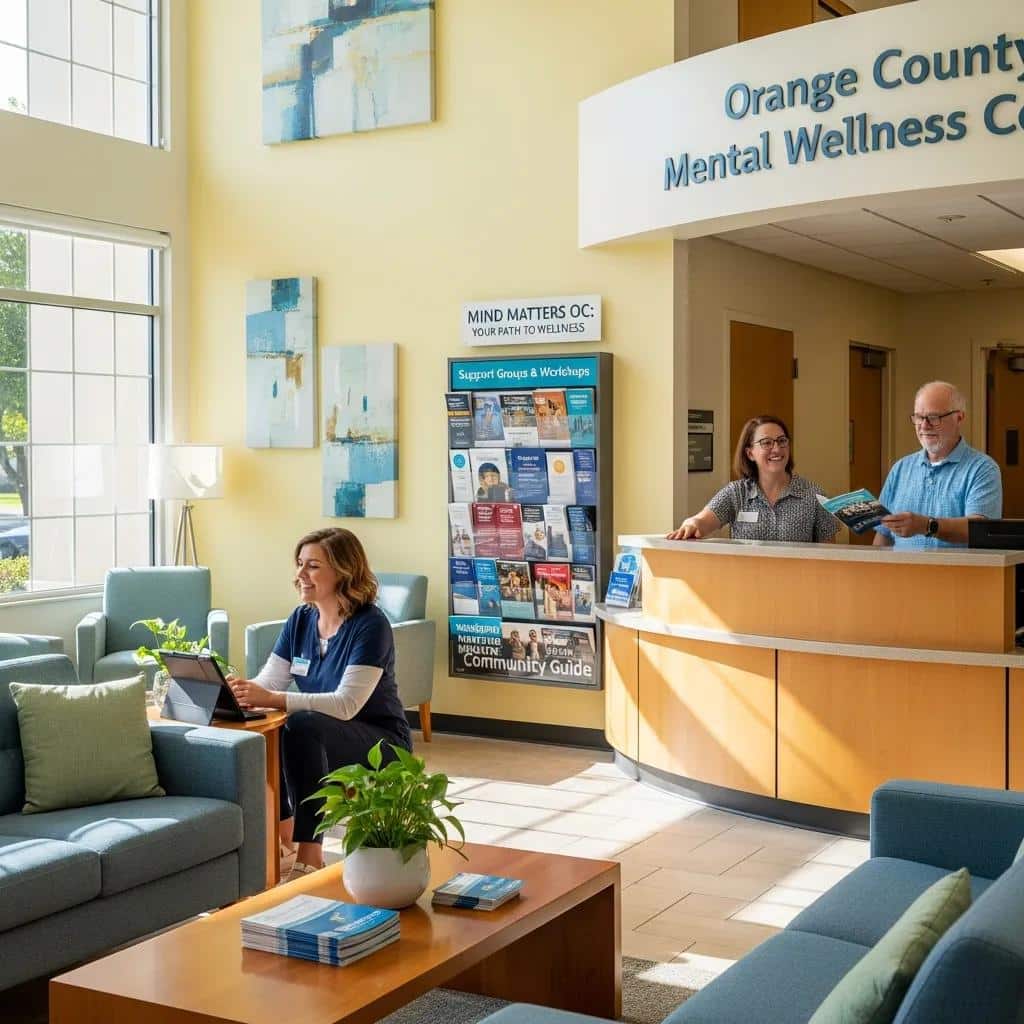
Orange County offers a variety of mental health services tailored to meet the diverse needs of its residents.
- Individual Therapy: One-on-one sessions with licensed therapists provide personalized support and treatment strategies.
- Group Therapy: Facilitated group sessions allow individuals to share experiences and learn from one another in a supportive environment.
- Telehealth Options: Remote therapy sessions offer flexibility and accessibility, making it easier for individuals to receive care from the comfort of their homes.
What Evidence-Based Therapies Does Huntington Beach Mental Health Offer?
Huntington Beach Mental Health provides several evidence-based therapies designed to address various mental health conditions. These include:
- Cognitive Behavioral Therapy (CBT): A widely used approach that helps individuals identify and change negative thought patterns and behaviors.
- Dialectical Behavior Therapy (DBT): This therapy focuses on teaching coping skills and emotional regulation, particularly beneficial for individuals with borderline personality disorder and other emotional regulation difficulties.
- Eye Movement Desensitization and Reprocessing (EMDR): A specialized therapy for trauma that helps individuals process and integrate traumatic memories.
How Do In-Person and Telehealth Options Enhance Treatment Flexibility?
The availability of both in-person and telehealth options enhances treatment flexibility for individuals seeking mental health care. In-person sessions provide the benefit of face-to-face interaction, which can foster a stronger therapeutic alliance. Conversely, telehealth options allow individuals to engage in therapy from home, reducing barriers such as transportation issues or scheduling conflicts. This dual approach ensures that individuals can choose the format that best suits their needs, ultimately leading to better engagement and adherence to treatment plans.
What Mental Health Conditions Are Treated at Huntington Beach Mental Health in Orange County?
Huntington Beach Mental Health addresses a range of mental health conditions, ensuring comprehensive care for its clients.
- Anxiety Disorders: Treatment options focus on managing symptoms through therapy and, when appropriate, medication.
- Depression: Various therapeutic approaches are employed to help individuals cope with and overcome depressive symptoms.
- Post-Traumatic Stress Disorder (PTSD): Specialized therapies, including EMDR, are utilized to assist individuals in processing traumatic experiences.
How Are Anxiety, Depression, and PTSD Addressed Through Local Care?
Local care for anxiety, depression, and PTSD involves a combination of therapeutic approaches tailored to each individual’s needs. For anxiety disorders, cognitive-behavioral techniques are often employed to help individuals manage their symptoms effectively. Depression treatment may include a mix of therapy and medication, depending on the severity of the condition. PTSD is addressed through trauma-informed care, utilizing therapies like EMDR to facilitate healing and recovery. These localized approaches ensure that individuals receive the most relevant and effective care for their specific conditions.
What Specialized Treatments Are Available for Bipolar Disorder and OCD?
Huntington Beach Mental Health offers specialized treatments for conditions such as bipolar disorder and obsessive-compulsive disorder (OCD).
- Bipolar Disorder: Treatment typically includes mood stabilization through medication management and psychotherapy to help individuals understand and manage their condition.
- OCD: Exposure and Response Prevention (ERP) therapy is a common approach, helping individuals confront their fears and reduce compulsive behaviors.
These specialized treatments are designed to address the unique challenges associated with each condition, providing individuals with the tools they need for effective management.
How Can You Find and Access Local Mental Health Providers in Orange County?
Finding and accessing local mental health providers in Orange County is a straightforward process that can significantly enhance your mental health journey.
- Research Providers: Utilize online resources and directories to identify local mental health professionals who specialize in your area of need.
- Check Insurance Coverage: Ensure that the providers you are considering accept your insurance plan to avoid unexpected costs.
- Understand the Admission Process: Familiarize yourself with the steps required to begin treatment, including initial assessments and scheduling appointments.
What Insurance Plans Are Accepted for Mental Health Treatment in Orange County?
Many mental health providers in Orange County accept a variety of insurance plans, making it easier for individuals to access care. Commonly accepted plans include major providers such as Blue Cross Blue Shield, Aetna, and Cigna. It is essential to verify coverage details with your chosen provider to ensure that your treatment will be covered.
How Does the Admission Process Work at Huntington Beach Mental Health?
The admission process at Huntington Beach Mental Health is designed to be user-friendly and supportive. It typically begins with an initial assessment, where a mental health professional evaluates your needs and discusses treatment options. Following this assessment, you will work with the team to schedule appointments and develop a personalized treatment plan that aligns with your goals.
Why Is Long-Term Mental Health Recovery Supported by Local Care in Orange County?
Long-term mental health recovery is significantly supported by local care in Orange County due to several key factors.
- Continuity of Care: Ongoing relationships with local providers foster trust and understanding, which are essential for effective treatment.
- Community Resources: Local care connects individuals with community resources, such as support groups and educational programs, that enhance recovery efforts.
- Aftercare Programs: Many local providers offer aftercare programs that help individuals maintain their progress and prevent relapse.
How Does Continuity of Care Promote Lasting Wellness?
Continuity of care promotes lasting wellness by ensuring that individuals have consistent access to their mental health providers. This ongoing relationship allows for regular check-ins, adjustments to treatment plans, and the opportunity to address any emerging issues promptly. Research indicates that individuals who maintain long-term relationships with their mental health providers experience better outcomes and greater overall satisfaction with their care.
What Local Resources and Aftercare Programs Support Ongoing Recovery?
In addition to direct mental health services, Orange County offers various local resources and aftercare programs that support ongoing recovery. These may include:
- Support Groups: Peer-led groups provide a safe space for individuals to share experiences and gain insights from others facing similar challenges.
- Community Programs: Local organizations often offer workshops and educational sessions focused on mental health awareness and coping strategies.
These resources play a vital role in helping individuals maintain their progress and continue their journey toward mental wellness.