
Tattoos for Mental Health: Meaning, Symbolism, and Support for Mental Wellness
Mental health tattoos serve as living reminders of resilience and hope, transforming personal struggles into visible symbols of empowerment. In this article, you will discover why individuals choose body art to support mental wellness, explore the most meaningful symbols—from semicolons to phoenixes—and learn how these tattoos complement professional recovery. We’ll also cover when to seek deeper help, highlight local services in Orange County, and share real patient journeys. By the end, you’ll understand how Huntington Beach Mental Health’s compassionate, expert care can integrate with your own symbolic expressions to foster lasting healing.
Why Do People Get Tattoos for Mental Health?
Mental health tattoos are purposeful body art that embody an individual’s journey toward wellness by externalizing inner challenges into meaningful designs. People choose these tattoos to reclaim their narrative, foster daily motivation, and spark conversations that reduce stigma—transforming pain into personal empowerment. For example, someone recovering from depression might ink a semicolon on their wrist to signify a decision to continue their life story rather than end it.
How Do Mental Health Tattoos Help Reduce Stigma?
Mental health tattoos raise awareness by turning private battles into public statements of survival. When someone sees a semicolon or green ribbon tattoo, they’re prompted to ask about its meaning, opening dialogue about anxiety, depression, and suicide prevention. By normalizing these conversations, tattoos challenge misconceptions and invite supportive exchanges in social circles and online communities.
In What Ways Do Tattoos Serve as Personal Reminders of Strength?
Tattoos act as daily affirmations that resilience resides within. Inked symbols—whether a lotus flower growing from mud or an anchor holding steady—provide immediate visual cues of past victories over pain. Every morning glance at the design reinforces self-belief, reminding individuals that they possess the inner strength to face new challenges.
Can Tattoos Express Hope and Transformation in Mental Health Journeys?
Yes, mental health tattoos can encapsulate transformation by blending symbols of renewal with personal narratives. A butterfly emerging from a chrysalis, for instance, signifies metamorphosis after trauma. Such artwork captures a pivotal moment of change, inspiring wearers to embrace growth and anticipate brighter chapters in their lives.
What Are the Most Popular Mental Health Tattoo Symbols and Their Meanings?
From simple marks to intricate motifs, certain symbols recur as emblems of hope, resilience, and unity among those healing from mental health conditions. Below is an overview of key designs and their emotional significance, each connecting to broader themes of awareness, recovery, and empowerment.
Symbolism in Mental Health Tattoos
The use of specific symbols in tattoos, such as the semicolon, butterfly, and phoenix, can serve as powerful reminders of resilience, hope, and transformation. These symbols can represent personal journeys through difficult experiences and act as visual affirmations of strength and recovery, fostering a sense of community among those with shared experiences.
This citation supports the article’s discussion of the meanings behind popular mental health tattoo symbols and their role in recovery.
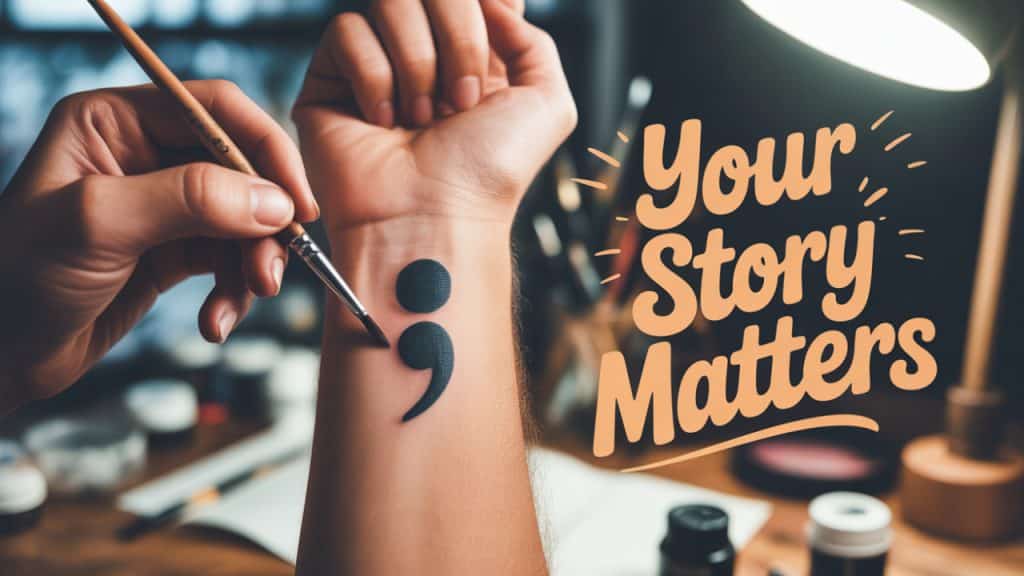
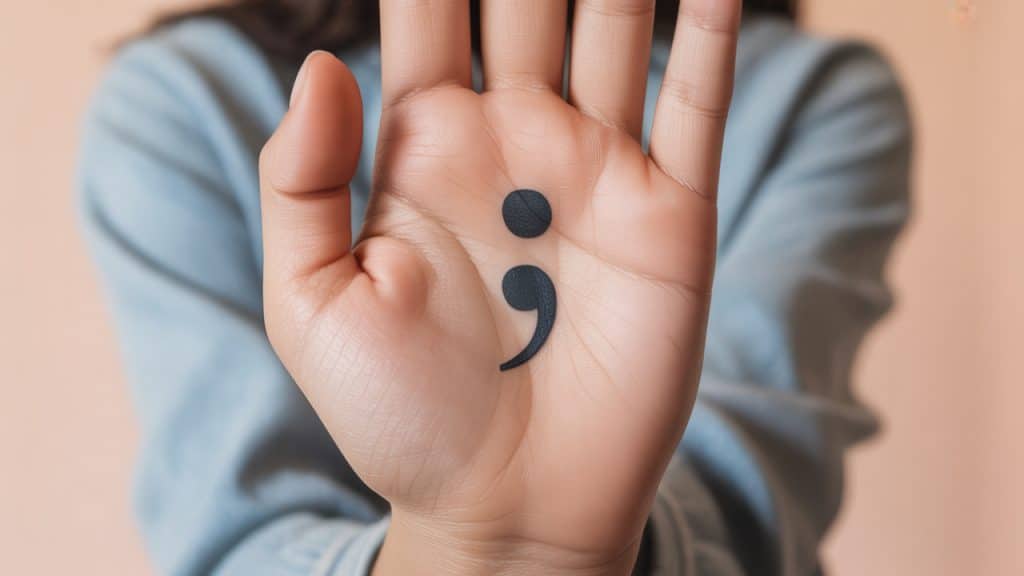
What Does the Semicolon Tattoo Mean for Mental Health and Suicide Prevention?
A semicolon tattoo symbolizes a pause—rather than an end—in one’s life story, representing the courage to continue through suicidal ideation or deep depression. Originating from Project Semicolon, this mark ties directly to suicide prevention efforts, inviting both wearer and observer to recognize survival as an act of defiance against despair.
How Do Butterfly Tattoos Represent Transformation and Healing?
Butterfly tattoos illustrate metamorphosis by reflecting how individuals emerge from periods of struggle into renewed freedom. As creatures that change form, butterflies embody the process of healing from self-harm or trauma. Inked wings can signify the emergence of self-compassion and the beauty found in new beginnings.
Why Is the Phoenix Tattoo a Symbol of Resilience and Renewal?
The phoenix tattoo draws on mythology in which a bird rises from its own ashes, signifying rebirth after devastation. This powerful image resonates with survivors of severe mental health crises—such as PTSD or addiction—illustrating both the intensity of past challenges and the strength required to rebuild a life.
What Other Symbols Are Common in Mental Health Tattoos?
Many individuals choose designs that speak to stability, growth, or biochemical balance. The following table presents common motifs, their attributes, and emotional value:
| Symbol | Association | Significance |
|---|---|---|
| Lotus Flower | Growth from adversity | Purity emerging from difficult experiences |
| Green Ribbon | Mental health awareness | Solidarity and advocacy for wellness |
| Serotonin Molecule | Chemical balance in brain | Promotion of happiness and stability |
| Anchor | Stability and grounding | Holding steady during emotional storms |
Each design offers distinct comfort—whether reminding wearers of their growth, their community’s support, or the science behind mood regulation—while preparing us to explore how these tattoos integrate with broader recovery practices.
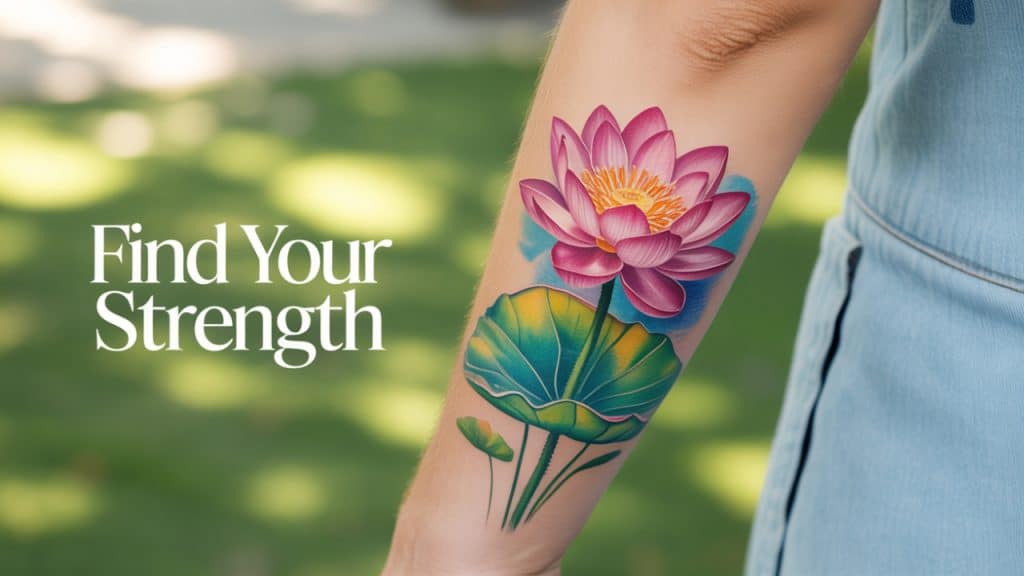
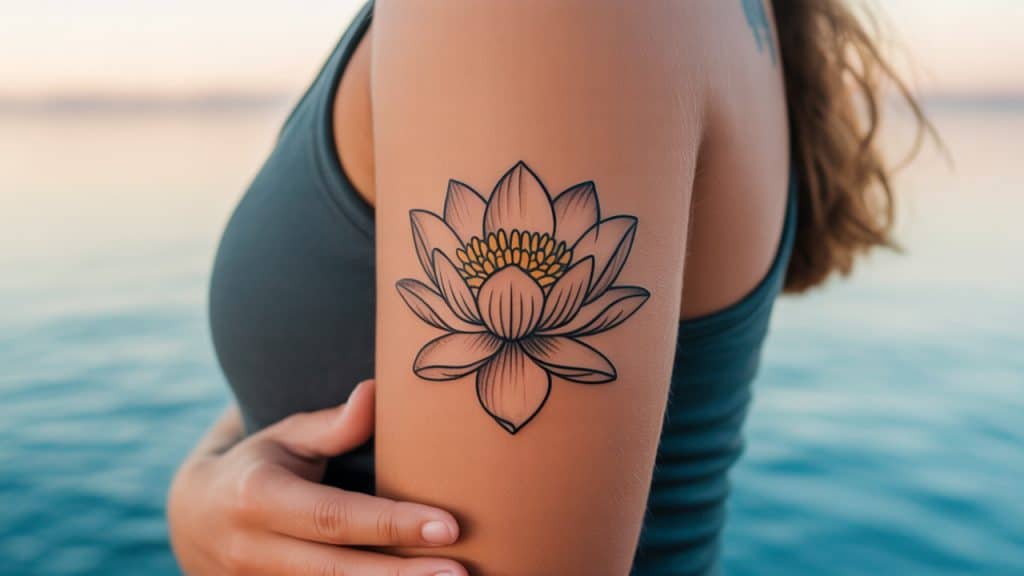
What Does the Lotus Flower Symbolize in Mental Health?
A lotus flower grows in muddy water yet blossoms in pristine form, representing personal emergence from adversity. Wearers ink this motif to honor their journey through hardship and celebrate the clarity achieved through healing.
How Is the Green Ribbon Used for Mental Health Awareness?
The green ribbon stands as a universal emblem for mental health advocacy, signaling solidarity with those affected by conditions like anxiety or bipolar disorder. Displaying this ribbon on skin invites respectful inquiry and underscores the importance of community support.
What Is the Meaning Behind Serotonin Molecule Tattoos?
Serotonin molecule tattoos depict the chemical structure of a neurotransmitter linked to mood regulation. This design affirms a commitment to balance and self-care, reminding wearers of the biological underpinnings of happiness and wellness.
Why Do Some Choose Anchor Tattoos for Mental Health?
Anchors symbolize stability and grounding, encouraging individuals to stay anchored in the present despite emotional turbulence. The image conveys a pledge to maintain inner calm and resilience when storms arise.
How Do Tattoos Support Mental Health Recovery and Therapy?
Tattoos offer therapeutic benefits by transforming invisible struggles into visible milestones, empowering individuals throughout their recovery journey. Integrating symbolic artwork with professional treatment creates a holistic approach that addresses both emotional expression and clinical healing.
In What Ways Do Tattoos Help Reclaim Control and Empowerment?
By choosing the image, placement, and timing of a tattoo, individuals externalize their narrative and reclaim agency over their bodies. This act counters feelings of helplessness that often accompany trauma or chronic mental health conditions, restoring a sense of ownership and self-determination.
The Role of Tattoos in Mental Health Recovery
Research suggests that the act of getting a tattoo can be empowering for individuals dealing with mental health challenges. The process of choosing a design, placement, and the physical act of tattooing can provide a sense of control and agency, which can be particularly beneficial for those who have experienced trauma or feelings of powerlessness.
This research supports the article’s claims about how tattoos can help individuals reclaim control and empowerment in their recovery journeys.
How Can Tattoos Foster Connection and Community Support?
Shared symbols—such as semicolons or green ribbons—serve as conversation starters and common threads among people with similar experiences. Tattoo conventions, online forums, and local support groups use these designs to build empathy, reduce isolation, and encourage mutual encouragement.
What Role Do Tattoos Play Alongside Professional Mental Health Treatment?
Tattoos complement therapy by reinforcing daily takeaways from counseling sessions and psychiatric care. When individuals view their inked reminders of hope or growth, they reaffirm coping strategies learned in CBT or DBT. Combined with expert guidance from Huntington Beach Mental Health’s counselors and psychiatrists, tatted symbols become anchors for sustaining long-term wellness.
Tattoos as a Complement to Therapy
Integrating tattoos with professional mental health treatment can create a holistic approach to recovery. Tattoos can reinforce the coping strategies learned in therapy, serving as daily reminders of progress and resilience. This combination of symbolic expression and clinical care can lead to more sustained wellness.
This research supports the article’s claims about how tattoos can complement professional mental health treatment.
When Should You Seek Professional Mental Health Support Beyond Tattoos?
Tattoos provide meaningful affirmation but are not substitutes for clinical care. Recognizing when professional treatment is necessary ensures that symbols serve as complements rather than sole solutions in a comprehensive recovery plan.
What Signs Indicate the Need for Mental Health Treatment?
Persistent low mood, overwhelming anxiety, intrusive suicidal thoughts, or significant impairment in daily functioning signal that professional intervention is required. These symptoms suggest that therapy, medication, or other evidence-based approaches at Huntington Beach Mental Health can offer structured support and improved outcomes.
Why Are Tattoos Not a Replacement for Therapy?
While tattoos symbolize progress, they cannot alter brain chemistry, teach coping skills, or address underlying trauma. Professional treatment provides personalized strategies—such as cognitive restructuring or medication management—that work in tandem with the motivational power of symbolic ink.
How Can Early Intervention Improve Mental Health Outcomes?
Seeking help at the first signs of distress—rather than waiting for crisis—leads to faster symptom relief, reduced risk of chronic conditions, and greater long-term resilience. Early therapy at a local Orange County provider enhances recovery trajectories and reinforces positive behaviors affirming the meaning behind each tattoo.
What Mental Health Services Are Available in Orange County, California?
Orange County residents can access a full spectrum of mental health services tailored to individual needs, combining empathy with evidence-based care for conditions like anxiety, depression, and trauma.
How Does Huntington Beach Mental Health Support Individuals with Mental Health Tattoos?
Huntington Beach Mental Health honors each patient’s symbolic expressions by integrating tattoo meaning into therapeutic conversations. Our clinicians invite discussion of personal ink as part of a holistic assessment, strengthening rapport and deepening insight into each individual’s resilience and coping strategies.
What Therapy Options Are Offered for Anxiety, Depression, and Trauma?
Our services include Cognitive Behavioral Therapy (CBT), Dialectical Behavior Therapy (DBT), trauma-focused modalities, group counseling, and psychiatric evaluations. Each approach targets specific symptoms—such as panic attacks or depressive rumination—while reinforcing the empowering narratives embodied by mental health tattoos.
How Can Local Services Complement Personal Coping Strategies Like Tattoos?
Professional support bolsters the motivational impact of tattoos by teaching skills in emotion regulation, stress management, and self-compassion. Regular sessions with licensed therapists and psychiatrists ensure that symbolic reminders translate into tangible progress and sustainable wellness.
What Are Real Patient Stories About Tattoos and Mental Health in Orange County?
Anonymized narratives illustrate how tattoos become landmarks in the recovery journey, guiding wearers from crisis points toward hope with professional collaboration.
How Have Tattoos Played a Role in Patients’ Recovery Journeys?
One Orange County resident chose a phoenix tattoo to mark the end of an inpatient program. Viewing the design daily reinforced the strength they discovered through group therapy and psychiatric support, motivating continued attendance in outpatient sessions.
What Insights Do Mental Health Professionals Share About Tattoos as Coping Tools?
“Our clients often find that tattoos visualize the breakthroughs achieved in therapy,” notes a licensed clinical social worker at Huntington Beach Mental Health. “These symbols become concrete evidence of resilience, which we then build upon through targeted interventions.”
How Can You Start Your Own Healing Journey with Support from Local Services?
Begin by scheduling an assessment at Huntington Beach Mental Health, where compassionate professionals will listen to your story and honor any symbolic tattoos you carry. Together, you’ll develop a treatment plan—combining therapy, medication management, and community resources—that amplifies the hope etched into every meaningful design.
Ink on skin can be a powerful statement of survival, but combining personal symbolism with expert care builds a foundation for lasting mental wellness.