
Introduction
For centuries, plants have served as a powerful symbol of renewal, resilience, and transformation across many cultures. From ancient temple gardens to modern therapy offices, living greenery reminds us that growth is always possible-even after the harshest seasons.
Plants symbolize personal transformation and new beginnings in ways that resonate deeply with our emotional well being. Plants commonly associated with growth symbolize vitality, and trees represent personal development, steady progress, and self-discovery. There’s a reason flower symbolism has persisted across cultural traditions for thousands of years: watching something alive push through soil and reach toward light mirrors the very journey of personal growth we pursue in our own lives.
At Huntington Beach Mental Health, we see growth every day in our clients-and we believe the spaces you inhabit can reinforce that progress. Whether you’re navigating therapy, working through recovery, or simply building a life that feels more aligned, the right plant can serve as a daily reminder that change is happening, even when it’s hard to see.
This ultimate guide walks you through the best plants that symbolize growth, covering their symbolic roots, care requirements, wellness benefits, and how each one can support your mental health journey.
How We Chose the Best Growth-Symbolizing Plants
Not every plant carries the same symbolic meanings, and not every symbolic plant is practical for your home or office. Here’s what guided our selection process.
Cultural and historical significance. We prioritized plants with deep roots in various cultures. The ancient greeks associated certain plants and flowers with gods, emotions, and life passages. In East Asian traditions, plants like bamboo and lotus carry centuries of meaning. Cherry blossoms, for instance, capture the fleeting nature of life and encourage us to embrace the present moment. Flowers have long expressed emotions across cultures-roses convey sweet love and eternal love, carnations represent a mother’s love and unconditional love, while yellow roses once signified returned affection. This diverse range of symbolic heritage matters.
Ease of care and maintenance. For busy professionals and families, a plant requiring minimal care is essential. We focused on species that forgive occasional neglect.
Therapeutic and mental wellness benefits. Certain plants offer more than outer beauty-they contribute to inner peace, mental clarity, and physical well being. Research shows that simply viewing green and vibrant plant communities measurably increases relaxation markers in the brain.
Visual appeal. Vibrant colors and elegant forms can shift the energy of a space, creating a positive environment that reinforces self love and emotional healing.
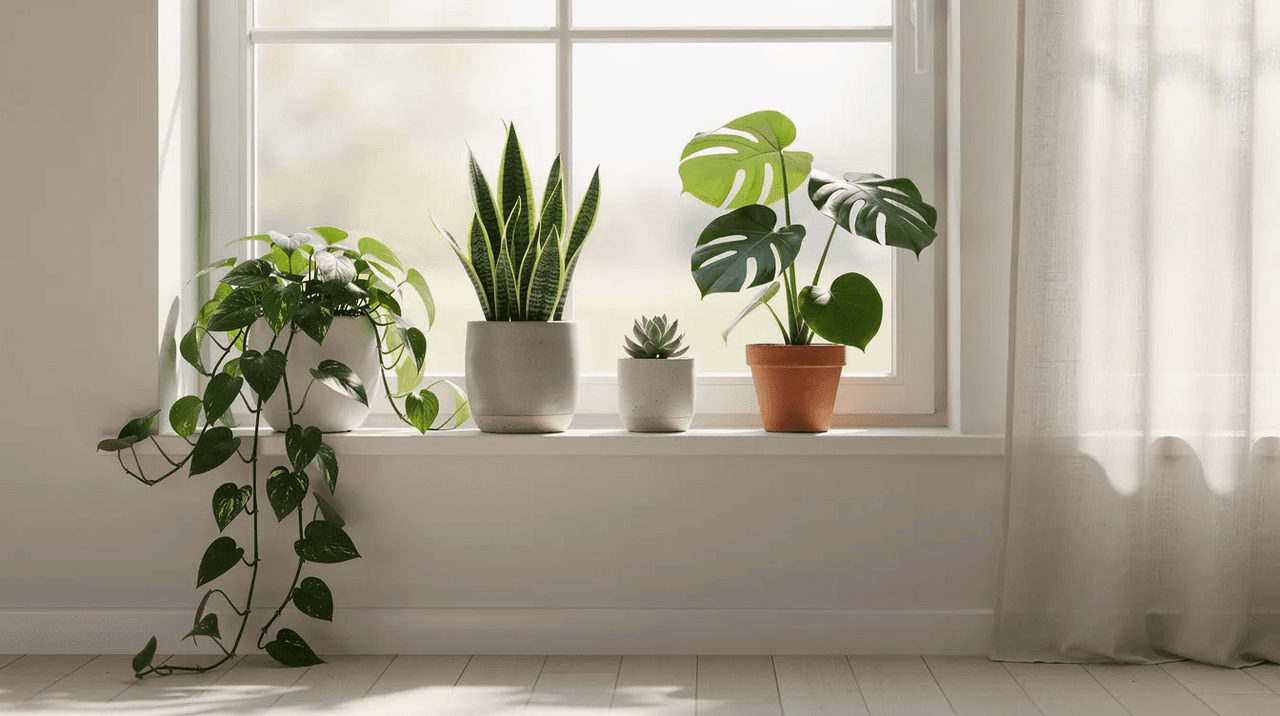
Adaptability and air purification. Indoor-friendly plants that also purify air earned higher marks. The zz plant thrives in low light and requires infrequent watering. The spider plant is another resilient option for tight spaces. Even orchids can adapt to diverse climates and conditions, representing beauty, strength, and transformation.
Suitability for gifting. A plant makes a meaningful gift-one that carries good wishes and can celebrate milestones in a loved one’s journey. The money tree symbolizes good luck and prosperity, and pothos represents prosperity, personal growth, and resilience. Lavender represents growth in terms of healing, tranquility, and personal growth. Even the philodendron symbolizes deep love for nature and personal growth, while the dandelion symbolizes resilience, adaptability, and new beginnings. Daffodils symbolize new beginnings and rebirth, making them a thoughtful gesture for fresh starts.
Each plant on our list carries its own meaning, and we selected seven that stand out for anyone seeking growth-internally, externally, or both.
Top 7 Plants That Symbolize Growth
1. Lotus Flower
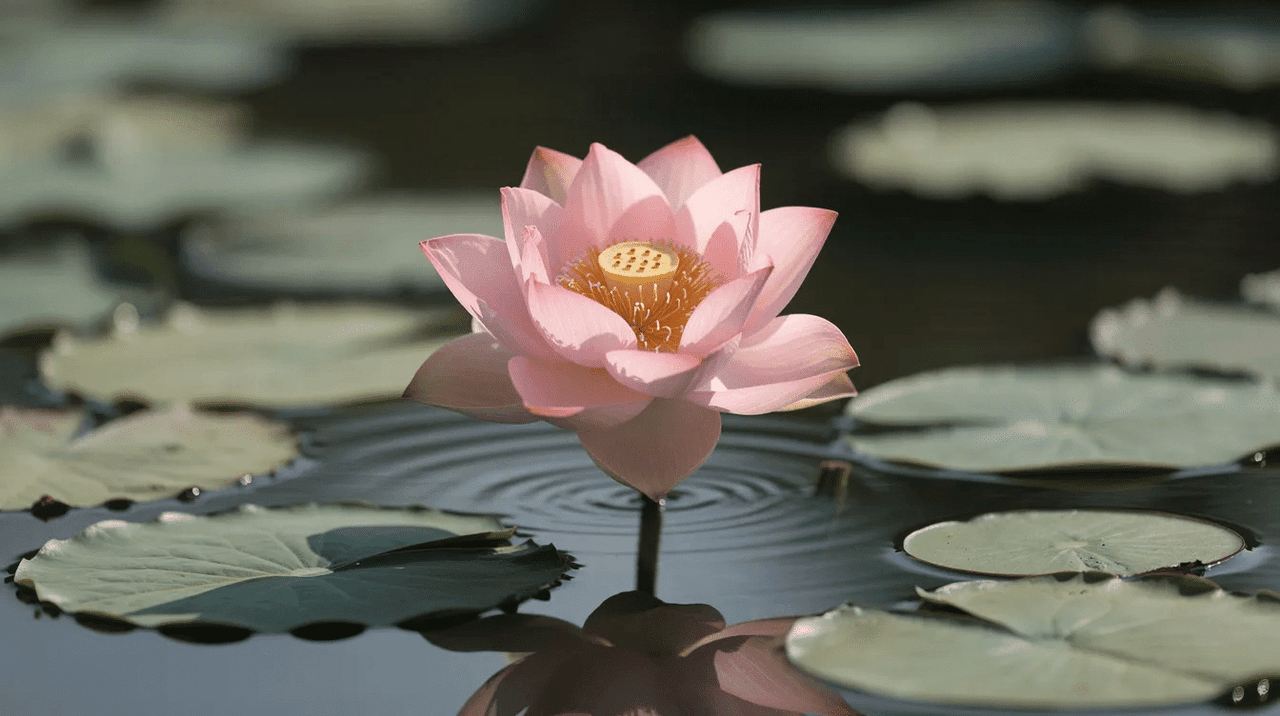
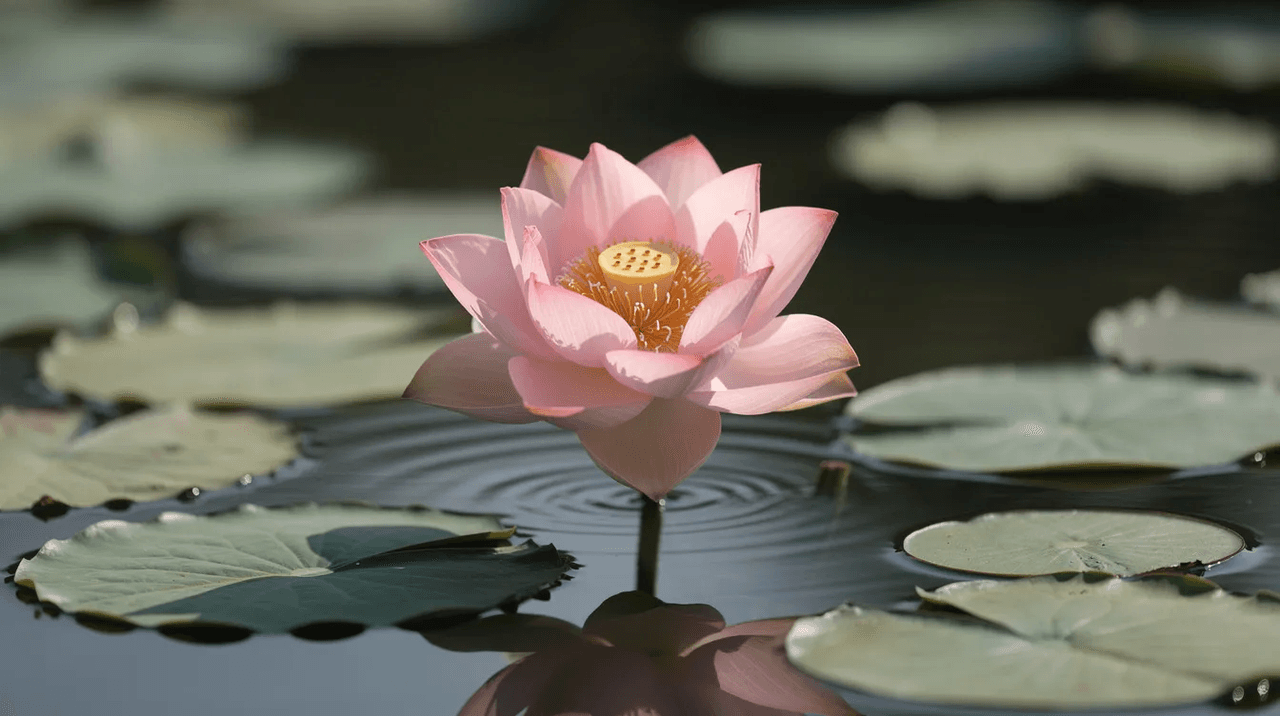
The lotus flower is the sacred flower of spiritual growth and perhaps the most enduring symbol of transformation in human history. The lotus symbolizes spiritual awakening, enlightenment, and personal development across Hindu, Buddhist, and Egyptian traditions.
Why It Stands Out: The lotus represents growth in the most visceral way imaginable. Its roots anchor in murky, muddy water, yet the flower rises above the surface to produce vibrant blooms of extraordinary beauty. This journey from darkness to light mirrors the process of overcoming adversity-a metaphor that resonates with anyone working through trauma, grief, or depression.
In Buddhism, the lotus flower symbolizes spiritual growth and purity. Different colors carry distinct meanings: white for purity, pink for supreme enlightenment, blue for wisdom, and red for compassion. This elegant appearance and layered symbolism make the lotus uniquely meaningful as a mental health symbol.
Best For: Individuals in therapy, recovery programs, or major life transitions seeking spiritual growth and a visual reminder that beauty can emerge from struggle.
Key Strengths:
- Deep cross-cultural spiritual symbolism
- Represents rebirth, purity, and enlightenment
- Powerful visual metaphor for therapeutic work
- Used in meditation, yoga, and art therapy
Possible Limitations:
- Requires a water garden or pond setup
- Not a typical houseplant-seasonal blooming only
- Needs warm temperatures and full sun
- Better suited as symbolic imagery (artwork, small water features) in most living situations
2. Sunflower
Sunflowers symbolize growth and resilience with an unmistakable boldness. Their bright yellow color radiates warmth, making them one of the most recognizable symbols of positivity and hope across many cultures.
Why It Stands Out: Sunflowers exhibit heliotropic behavior-young sunflowers literally turn their faces to follow the sun throughout the day. This biological trait has made the sunflower a living metaphor for seeking light, choosing optimism, and moving toward what nourishes you. They symbolize strength and unwavering loyalty.
Best For: Those dealing with depression, seasonal mood changes, or anyone who needs a visual signal that brighter days ahead are possible. Their rapid growth from seed to towering bloom provides quick, visible progress-something that can feel especially motivating during challenging times.
Key Strengths:
- Uplifting, impossible-to-ignore appearance
- Fast-growing, offering visible signs of progress within weeks
- Represents loyalty, inner strength, and resilience
- Excellent for outdoor therapy gardens and community projects
Possible Limitations:
- Requires full direct sunlight (at least 6–8 hours daily)
- Better as an outdoor plant-tall varieties reach 6–10+ feet
- Annual lifecycle means short-lived blooms
- Large space requirements; needs staking in wind
Even if you can’t grow sunflowers indoors year-round, keeping cut sunflowers in a vase or sunflower imagery in your workspace can serve as a reminder of brighter days and forward momentum.
3. Jade Plant
The jade plant-often called the money plant or friendship tree-is a succulent that symbolize prosperity and steady, incremental growth. The jade plant symbolizes prosperity and positive energy, making it a staple in feng shui practices worldwide.
Why It Stands Out: Its thick, coin-shaped leaves represent abundance in all areas of life: financial, relational, and personal. Unlike flashy flowering plants, the jade plant grows slowly and steadily, adding new leaves and thickening its trunk over months and years. This mirrors the reality of most personal growth-quiet, consistent, and meaningful.
Best For: Individuals starting a new chapter-whether that’s a new career, a new relationship, or fresh starts after a difficult period. Jade plants are a favorite gift for new businesses and symbolize good fortune in East Asian cultural traditions.
Key Strengths:
- Extremely low maintenance-jade plants need infrequent watering and grow well indoors
- Feng shui benefits: attracts prosperity, positive energy, and growth
- Long-lived (can survive decades with proper care)
- Compact enough for office desks, windowsills, or small apartments
Care Tips:
- Place in bright indirect light or bright light near a window
- Use well-draining succulent soil
- Allow the soil dry between waterings-check the top inch before adding water
- Avoid overwatering, which causes root rot
Possible Limitations:
- Slow growing, which may frustrate those wanting immediate results
- Toxic to pets if ingested
- Needs bright light to maintain leaf health and coloring
4. Snake Plant
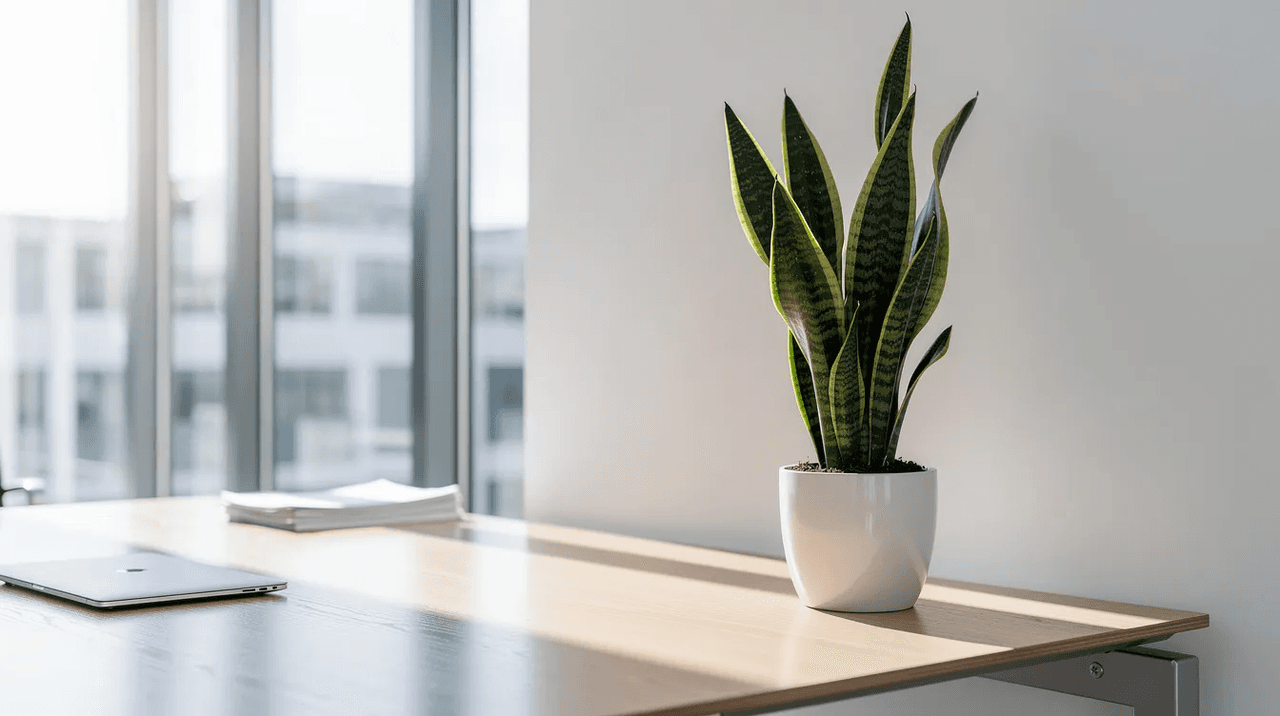
The snake plant is the definition of quiet resilience. With its rigid, upward-growing leaves, this statement plant represents standing strong through adversity without demanding attention or praise.
Why It Stands Out: The snake plant purifies air and tolerates neglect better than almost any other houseplant. Snake plants tolerate low light and require little care-they’ve been known to survive months of inconsistent watering. In feng shui, the sword-like leaves are believed to ward off negative energy and protect the home.
Best For: Busy professionals, overwhelmed parents, or anyone learning to build healthy boundaries. Its ability to thrive in challenging conditions with minimal care makes it a constant reminder that resilience doesn’t require perfection.
Key Strengths:
- Air purifying-releases oxygen at night, making it ideal for bedrooms
- Extremely low maintenance (often rated 2/10 difficulty)
- Represents strength, endurance, and protection
- Works in low light corners, offices, and windowless rooms
- Compact enough for office desks or nightstands
Possible Limitations:
- Slow growth-not suited for those wanting rapid visible change
- Toxic to pets (contains saponins)
- Limited visual variety compared to flowering plants
- Best leaf variegation requires occasional bright light
During challenging times, the snake plant’s unyielding presence can serve as a quiet reminder: you don’t need ideal conditions to keep going.
5. Peace Lily
The peace lily symbolizes tranquility and renewal-two qualities that anyone navigating emotional healing deeply needs. Its elegant blooms of white flowers resemble a flag of peace, signaling calm after turmoil and the possibility of new beginnings.
Why It Stands Out: Peace lilies offer something rare among houseplants: visible emotional feedback. When thirsty, they visibly droop. After watering, they perk back up within hours. This cycle mirrors emotional states-showing that recovery is always possible after a low point. The peace lily thrives in low light conditions, and peace lilies thrive in low light and require minimal maintenance, making them accessible for nearly any living space.
Best For: Individuals in grief counseling, processing loss, or seeking emotional balance and inner peace. The white blooms carry associations with purity, remembrance, and hope across many cultures.
Key Strengths:
- Blooms indoors in indirect light conditions
- Air purifying-included in NASA’s Clean Air Study for removing formaldehyde and benzene
- Represents peace, rebirth, and emotional healing
- Moderate size fits most indoor spaces
Care Tips:
- Place in medium to bright indirect light (tolerates low light but fewer blooms)
- Keep soil consistently moist but not waterlogged
- Use filtered water when possible-sensitive to fluoride and chlorine
- Maintain temperatures between 65–80°F
Possible Limitations:
- Requires consistent moisture-doesn’t forgive drought as well as succulents
- Toxic to pets if ingested
- Sensitive to chemicals in tap water
- May not produce elegant blooms without adequate light
6. Bamboo
Bamboo symbolizes continuous upright progress and adaptability-a fitting representation for anyone navigating major life changes. In East Asian traditions, bamboo bends in the wind without breaking, embodying flexibility, humility, and resilience.
Why It Stands Out: Bamboo is one of the fastest-growing plants on earth. Some species can grow nearly a meter per day under ideal conditions. This rapid, visible progress makes bamboo a compelling metaphor for momentum and forward movement. In feng shui, lucky bamboo is associated with good fortune and a happy life.
Best For: Those learning adaptability-adjusting to a new career, a new city, relationship changes, or recovery milestones. Bamboo teaches that strength comes not from rigidity but from the ability to bend.
Key Strengths:
- Represents flexibility, rapid growth, and good fortune in feng shui
- Lucky bamboo (Dracaena sanderiana) grows easily indoors in water or soil
- Minimal care requirements
- Compact varieties fit small spaces and office environments
Possible Limitations:
- True bamboo can be invasive outdoors and requires containment
- Some varieties need outdoor space and full sun
- Lucky bamboo may have limited longevity compared to true bamboo
- Toxic to pets in some species
Even during the winter months, lucky bamboo maintains its green, upward growth-a visual promise that progress continues even when everything outside appears dormant.
7. Aloe Vera
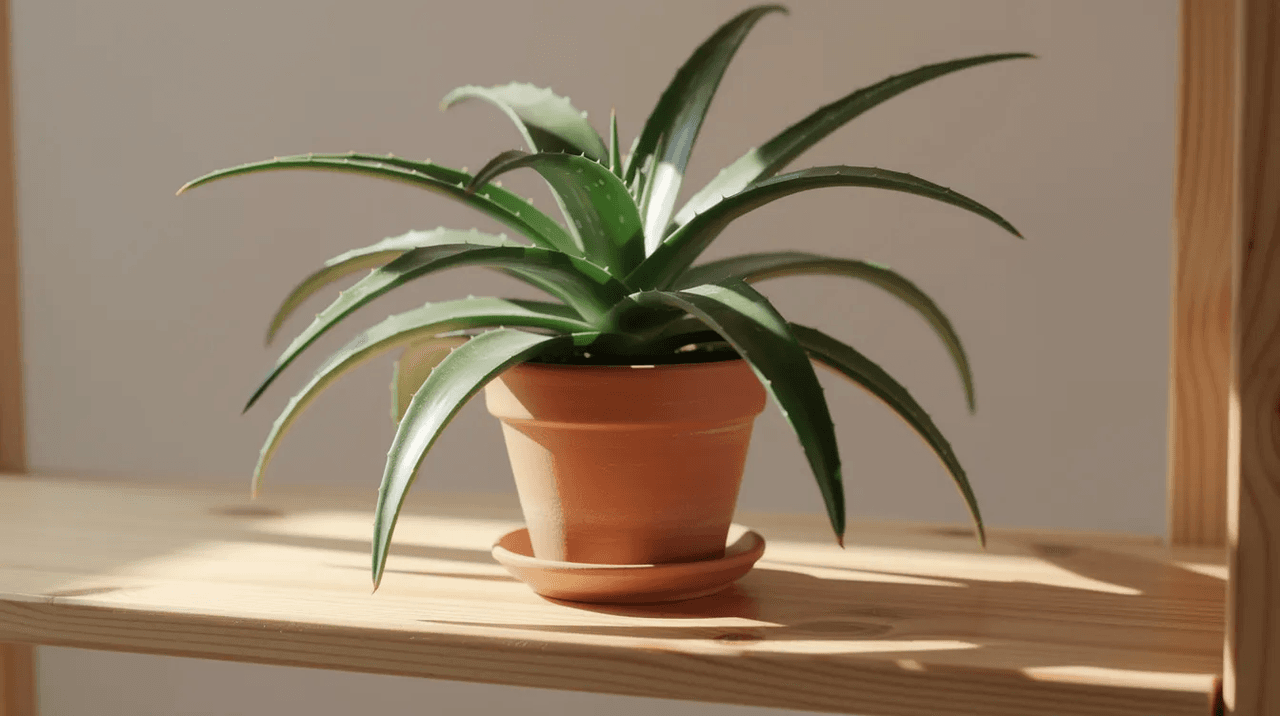
Aloe vera-sometimes called the “plant of immortality”-is a living symbol of healing, renewal, and self-care. Its ability to survive harsh, dry conditions and regenerate from pups mirrors the human capacity to recover and rebuild.
Why It Stands Out: Aloe vera is known for its healing properties and resilience. The clear gel inside its leaves has been used for centuries to treat burns, skin irritation, and inflammation. Studies show aloe gel can reduce healing time for first- and second-degree burns by approximately nine days compared to controls. This tangible healing quality makes it a powerful metaphor for emotional recovery.
Best For: Individuals focused on self-care routines and holistic healing approaches. The act of harvesting and applying aloe gel can become a tactile self-care ritual-a physical expression of tending to your own well being.
Key Strengths:
- Medicinal gel with anti-inflammatory and antibacterial properties
- Low maintenance succulent-thrives on neglect
- Represents resilience, renewal, and healing from within
- Makes a thoughtful gift for loved ones starting a healing journey
Care Tips:
- Place in bright light (south-facing window ideal)
- Use cactus or succulent soil mix with excellent drainage
- Water infrequently-let soil dry completely between waterings
- Protect from cold temperatures
Possible Limitations:
- Requires bright light-struggles in dim interiors
- Toxic to pets if ingested
- Slow rosette-style growth rather than dramatic vertical growth
- Flowering is rare indoors
Quick Comparison of Growth-Symbolizing Plants
Plant
Best For
Care Level
Light Needs
Pet Safe?
Lotus Flower
Spiritual transformation, overcoming adversity
High
Full sun
N/A (outdoor/water)
Sunflower
Combating depression, building optimism
Moderate
Full direct sunlight
Yes
Jade Plant
Career growth, financial prosperity
Low
Bright light
No
Snake Plant
Developing resilience, healthy boundaries
Very Low
Low to bright
No
Peace Lily
Emotional healing, finding inner peace
Moderate
Low to indirect light
No
Bamboo
Learning flexibility and adaptability
Low
Varies by type
Some species toxic
Aloe Vera
Self-care and holistic healing
Low
Bright light
No
Money trees require occasional watering and indirect light, making them another accessible option if you’re drawn to plants that symbolize prosperity. ZZ plants thrive in dry conditions and need minimal attention-ideal for anyone who tends to forget watering schedules.
How to Choose the Right Growth-Symbolizing Plant
Choose Based on Your Personal Growth Goals
Every plant on this list carries its own meaning. The key is matching that symbolism to what you’re actively working toward.
If your therapeutic work centers on processing trauma or grief, the lotus or peace lily offers imagery of emergence and renewal. If you’re building confidence after a career setback, the jade plant’s slow accumulation of new growth mirrors financial and professional rebuilding. For those cultivating emotional resilience and mental clarity, the snake plant’s quiet endurance speaks directly to that goal.
Choose Based on Care Requirements
Be honest about your lifestyle. If you’re managing anxiety, depression, or a packed schedule, the last thing you need is a plant that adds stress. Choose plants requiring minimal care:
- Almost no effort: Snake plant, ZZ plant
- Low effort: Jade plant, aloe vera, lucky bamboo
- Moderate effort: Peace lily (needs consistent moisture)
- Higher effort: Lotus, sunflower (outdoor requirements, space)
Choose Based on Living Environment
Your space dictates what will actually survive:
- Low light apartments: Snake plant, peace lily, ZZ plant
- Bright south-facing windows: Jade plant, aloe vera, sunflower (dwarf varieties)
- Outdoor gardens or patios: Lotus, sunflower, true bamboo
- Small spaces and office desks: Lucky bamboo, jade plant, snake plant
Orchids represent beauty, strength, and transformation and can also adapt to a diverse range of indoor conditions, making them a worthy addition if you have moderate indirect light.
Which Growth Plant Is Best for You?
- Choose Jade Plant if you’re focused on career or financial growth and want a low-maintenance companion that represents steady progress toward a new chapter.
- Choose Peace Lily if you’re seeking emotional healing, tranquility, and a plant that visually demonstrates the power of recovery.
- Choose Snake Plant if you need a no-fuss reminder of resilience that thrives even when you can’t give it much attention.
- Choose Sunflower if you’re combating depression or need a bold, visual signal that brighter days are real and reachable.
- Choose Bamboo if you’re learning to adapt to major life changes and value flexibility over rigidity.
- Choose Aloe Vera if self-care is your focus and you want a plant whose healing properties you can literally use.
- Choose Lotus if your journey is deeply spiritual and you connect with imagery of rising above difficult circumstances.
Final Thoughts
Growth is rarely linear, and it’s almost never fast. But it’s always happening-in therapy sessions, in quiet moments of reflection, and yes, even in the slow unfurling of a new leaf on your windowsill.
The plants on this list won’t replace professional mental health support. But they can create a positive environment in your home or office that reinforces the work you’re doing internally. A jade plant on your desk becomes a constant reminder of steady progress. A peace lily in your living room signals that renewal is always within reach. A snake plant in the corner proves that thriving in challenging conditions is possible.
At Huntington Beach Mental Health, we believe healing happens through a combination of evidence-based treatment, compassionate support, and intentional daily choices-including the spaces you build around yourself. If you’re ready to take the next step in your personal growth journey, we’re here to help with individual therapy, group support, medication management, and more. Learn how your insurance can support your treatment and request an appointment today.
Growth is already happening. Give it a place to be seen.