


Understanding Unstable Emotions Meaning: Symptoms, Causes, and Management Strategies
Unstable emotions can significantly impact an individual’s daily life, relationships, and overall mental health. This article delves into the meaning of unstable emotions, exploring their symptoms, causes, and effective management strategies. Readers will gain insights into emotional dysregulation, mood swings, and the importance of emotional regulation techniques. Many individuals experience emotional instability, which can lead to feelings of confusion and distress. Understanding these emotions is crucial for seeking appropriate help and support. This article will cover the common symptoms of emotional instability, the main causes behind mood swings, effective emotional regulation techniques, and available support services in Huntington Beach.
What Are the Common Symptoms of Emotional Instability?
Emotional instability is characterized by a range of symptoms that can affect cognitive and behavioral functioning. Recognizing these symptoms is essential for individuals seeking help. Cognitive symptoms may include intense fear of abandonment and black-and-white thinking, while behavioral symptoms can manifest as impulsive decisions and emotional outbursts. Understanding these signs can help individuals identify when they need support and intervention.
How to Recognize Signs of Emotional Dysregulation
Emotional dysregulation can present itself through various cognitive and behavioral symptoms. Individuals may experience racing thoughts, which can lead to overwhelming feelings of anxiety. Additionally, behaviors such as self-harm or sudden outbursts of anger can indicate a struggle with emotional control. Recognizing these signs is the first step toward seeking help and developing healthier coping mechanisms.
Examples of Mood Swings and Emotional Fluctuations

Mood swings can occur in various conditions, including bipolar disorder and borderline personality disorder. For instance, individuals with bipolar disorder may experience extreme highs (mania or hypomania) followed by deep lows (depression), leading to significant emotional fluctuations. Similarly, those with borderline personality disorder may have intense emotional responses to perceived abandonment or rejection, resulting in rapid mood changes. Understanding these examples can help individuals and their loved ones recognize the need for professional support.
What Are the Main Causes of Mood Swings and Unstable Emotions?
Several factors contribute to mood swings and emotional instability. Psychological and biological factors play a significant role in how individuals experience and manage their emotions. Genetic predispositions, environmental stressors, and psychological trauma can all influence emotional regulation.
Psychological and Biological Factors Behind Emotional Instability
Biological factors such as neurotransmitter imbalances can significantly impact emotional stability. For example, imbalances in serotonin and dopamine may lead to increased feelings of sadness, anxiety, or mood instability. Additionally, childhood trauma can have lasting effects on emotional regulation, making individuals more susceptible to mood swings and emotional dysregulation. Understanding these factors is crucial for developing effective treatment plans.
This connection is further supported by research indicating that childhood trauma is a significant underlying mechanism for emotional dysregulation and related psychiatric conditions.
Childhood Trauma & Emotional Dysregulation
>
Emotional dysregulation can also be understood as the underlying mechanism for risky behaviors, and is linked between childhood trauma and psychiatric comorbidities.
>
Childhood maltreatment, emotional dysregulation, and psychiatric comorbidities, Y Dvir, 2014
How Triggers Influence Emotional Dysregulation
Triggers can significantly influence emotional stability, leading to emotional crises. Common triggers may include stressful life events, relationship conflicts, or significant changes in routine. Identifying these triggers is essential for developing coping strategies that can help individuals manage their emotional responses more effectively. Techniques such as mindfulness and grounding exercises can be beneficial in mitigating the impact of these triggers.
How Can Emotional Regulation Techniques Help Manage Unstable Emotions?
Emotional regulation techniques are vital for managing unstable emotions and improving overall mental health. These strategies can help individuals gain better control over their emotional responses, leading to improved well-being.
Effective Strategies for Emotional Self-Regulation
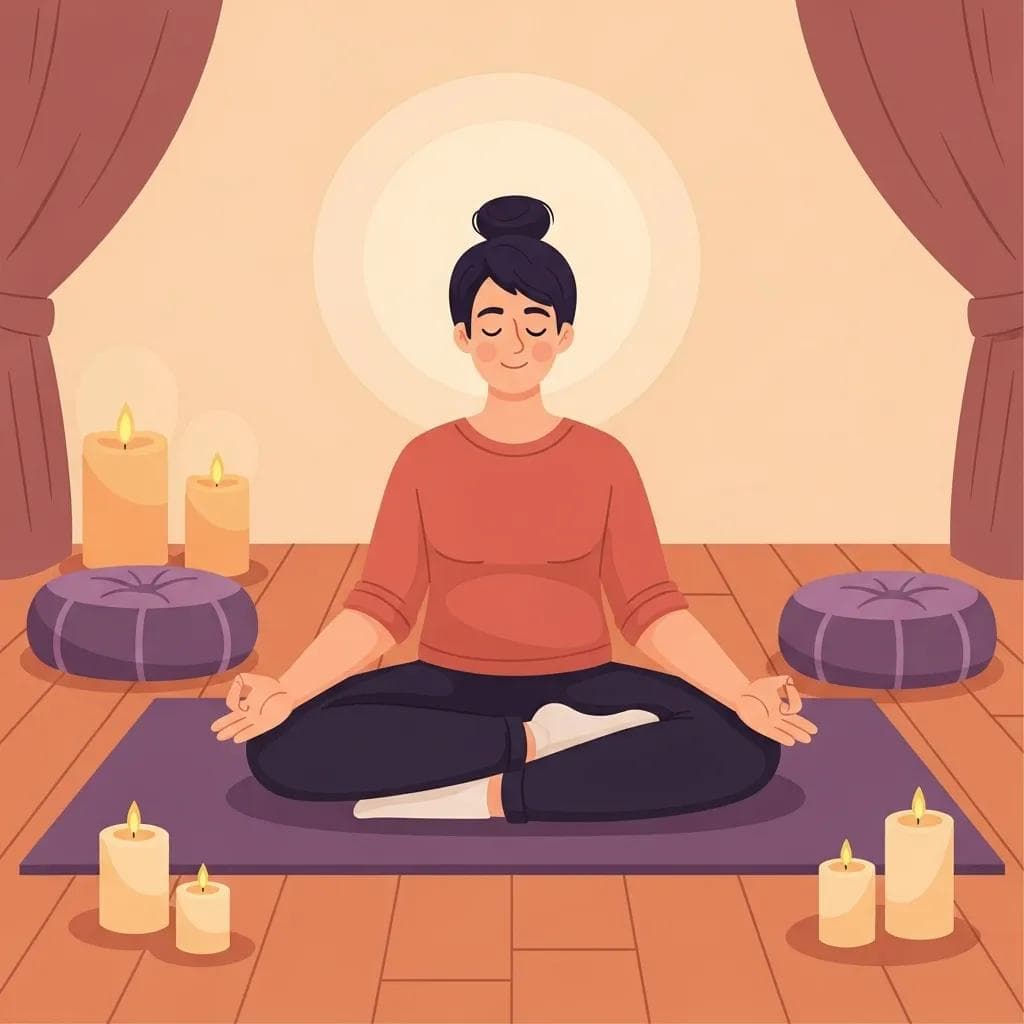
Several effective strategies for emotional self-regulation include mindfulness meditation, cognitive restructuring, and journaling. Mindfulness meditation encourages individuals to focus on the present moment, reducing anxiety and promoting emotional awareness. Cognitive restructuring helps individuals identify and challenge negative thought patterns, fostering a more balanced perspective. Journaling can also serve as a therapeutic outlet, allowing individuals to express their emotions and reflect on their experiences.
Further research highlights the critical role of mindfulness skills in emotion regulation, particularly through the mediating effect of coping self-efficacy.
Mindfulness for Emotion Regulation
>
Findings suggest that coping self-efficacy partially explains the relationships between mindfulness and emotion regulation difficulties. Clinicians administering mindfulness-based interventions should be aware of the role of coping self-efficacy in the relationship between mindfulness and emotion regulation.
> > >
Mindfulness skills and emotion regulation: The mediating role of coping self-efficacy, CM Luberto, 2014
Role of Therapy and Counseling in Emotional Stability
Therapy and counseling play a crucial role in helping individuals achieve emotional stability. Professional support provides individuals with coping skills and strategies tailored to their unique needs. Increased self-awareness through counseling can lead to better emotional regulation and improved relationships. For those struggling with emotional instability, seeking therapy can be a transformative step toward healing.
Indeed, comprehensive interventions and coping strategies, as explored in recent reviews, are crucial for addressing emotional dysregulation in individuals of all ages.
Interventions & Coping for Emotional Dysregulation
>
We also focus on interventions aimed at promoting emotion regulation, and appropriate emotional knowledge and coping strategies, for emotion dysregulation, in children/adolescents and adults.
>
A narrative review of the efficacy of interventions for emotional dysregulation, and underlying bio–psycho–social factors, S Cortese, 2024
What Support Services Are Available for Emotional Instability in Huntington Beach?
In Huntington Beach, various support services are available for individuals experiencing emotional instability. These services can provide essential resources and assistance for those in need.
Confidential Mental Health Assessments at Huntington Beach Mental Health
Huntington Beach Mental Health offers confidential mental health assessments designed to identify emotional and psychological conditions. These assessments are thorough and aim to provide individuals with a clear understanding of their mental health status. By identifying specific issues, individuals can receive personalized treatment plans that address their unique needs.
Resources for Individuals and Families in Orange County
In addition to assessments, Huntington Beach Mental Health provides various resources for individuals and families in Orange County. These resources include individual therapy sessions, crisis intervention services, and community support groups. These services aim to foster a supportive environment where individuals can share their experiences and learn from one another, ultimately promoting emotional well-being and resilience.