

Virtual Mental Health Care for Women | Support and Flexible Scheduling in Orange County
Virtual mental health care for women delivers evidence-based behavioral health services through secure video and telehealth workflows, improving access and scheduling flexibility for those balancing work, caregiving, or mobility challenges. This article explains how virtual care addresses women-specific needs such as perinatal mood disorders, trauma recovery, and caregiver stress, and it outlines practical steps for getting started with online therapy.
Readers will learn the core benefits of virtual services, the range of clinical options (individual, group, medication management, and specialized programs), how flexible scheduling works in telehealth, and where to find local Orange County supports. The guide also covers step-by-step onboarding—scheduling, intake, insurance considerations—and points to local referral pathways that coordinate care across community resources. Throughout, the focus is on actionable guidance, privacy and safety considerations, and realistic expectations for outcomes from virtual mental health care for women.
What Are the Benefits of Virtual Mental Health Care for Women?
Virtual mental health care for women combines clinical therapy, psychiatric support, and community-focused interventions delivered remotely to reduce barriers and expand choice. By shifting sessions to secure video and telehealth platforms, virtual care reduces travel time and logistical hurdles, enabling consistent treatment that improves outcomes. The main result is increased continuity of care, meaning women are more likely to attend regularly and progress toward therapeutic goals. Current research and practice trends indicate telehealth increases engagement for populations juggling caregiving and work, while preserving confidentiality and comfort in home settings.
The concrete advantages of virtual mental health care include accessibility, privacy, tailoring to life stage needs, and scheduling flexibility. Below is a focused list highlighting the primary, evidence-informed benefits most relevant to women seeking mental health support.
Virtual care shows strong practical value:
- Greater accessibility: Removes geographic and transportation barriers so women in rural or busy urban settings can access care.
- Improved privacy and comfort: Sessions from home reduce stigma and make disclosure easier for sensitive topics.
- Tailored life-stage interventions: Enables specialized perinatal, menopause, or caregiver-focused work with clinicians trained in women’s issues.
- Flexible scheduling: Evening, weekend, and same-week options lower missed-appointment rates.
These benefits help explain why many women prefer telehealth for ongoing mental health care, and they naturally lead to questions about which virtual services are available and how they differ in purpose and structure.
How Does Virtual Therapy Improve Accessibility and Convenience for Women?
Virtual therapy improves accessibility by removing the need for commuting and reducing time spent arranging childcare or time off work, which are common barriers for women seeking care. Secure video sessions allow clinicians to meet clients where they are, enabling timely follow-up and shorter wait times for initial appointments. Technology also permits asynchronous supports—such as secure messaging and digital worksheets—that complement synchronous therapy and extend care between sessions. These mechanisms combine to produce greater session adherence, which in turn supports better symptom reduction and functional gains.
A typical example illustrates this: a new mother can schedule an evening virtual appointment after her baby’s bedtime, engage in trauma-informed cognitive behavioral work, and receive follow-up resources via secure messaging without needing to leave home. This convenience directly reduces dropout risk and enhances continuity of care, which sets up the next topic of why tailoring care to women’s unique needs matters.
Why Is Tailored Support Important for Women’s Unique Mental Health Needs?
Tailored support matters because women experience and present common conditions—such as depression, anxiety, PTSD, and perinatal mood disorders—differently across life stages and biological contexts. Hormonal transitions, caregiving responsibilities, and higher prevalence rates of certain trauma exposures require interventions that account for context, safety planning, and pacing. Clinicians taking a trauma-informed, life-stage-sensitive approach can adapt interventions like CBT, DBT skills training, and interpersonal therapy to the virtual setting while addressing triggers unique to women.
Providing tailored virtual care also allows clinicians to integrate screening for perinatal mood and anxiety disorders, caregiver burnout, and menopause-related mood changes into routine telehealth workflows. This approach ensures that clinical choices—from modality selection to session pacing—match the client’s lived circumstances and therapeutic readiness, which naturally informs the selection of specific virtual services covered next.
Web-Based Interventions for Perinatal Mood Disorders: A Systematic Review
Perinatal depression is strikingly common with a prevalence of 10–15 %. The adverse effects of perinatal depression on maternal and child health are profound with considerable costs. Despite this, few women seek medical attention. E-health, providing healthcare via the Internet is an accessible and effective solution for the treatment of depression in the general population. We aimed to conduct a systematic review of web-based interventions for the prevention and treatment of mood disorders in the perinatal period, defined as the start of pregnancy to 1 year post-partum.
All studies were conducted in the post-partum period. All reported an improvement in maternal mood following intervention. A significant improvement in depressive symptoms was measured using validated rating scales, such as the Edinburgh Postnatal Depression Scale (EPDS), either at post-treatment or follow-up which ranged from 3 to 12 months post study completion.
Web-based interventions for prevention and treatment of perinatal mood disorders, 2016
Which Virtual Mental Health Services Are Available for Women?
Women can access a spectrum of virtual mental health services that mirror in-person care but use remote workflows to increase reach and flexibility. Typical offerings include individual therapy for mood and trauma, virtual group therapy for peer support and skills-building, telepsychiatry for medication management, and specialized programs focusing on perinatal mental health or caregiver stress. The goal of this service mix is to align symptom severity and personal preference with the right format so care is both effective and sustainable.
To help compare options quickly, the table below outlines common virtual service types, what each includes, and who typically benefits from them.
Virtual service types for women include the following comparisons:
| Service Type | What It Includes | Who It Helps |
|---|---|---|
| Individual virtual therapy | One-on-one video sessions, tailored therapy plans (CBT, DBT, trauma-focused work) | Women with moderate-to-severe symptoms or need for focused, individualized care |
| Virtual group therapy | Facilitated groups for skills training or peer support (perinatal groups, caregiver support) | Women seeking community, normalization, and shared strategies |
| Telepsychiatry / medication management | Remote psychiatric evaluation, prescription management, medication follow-up | Women needing pharmacologic support alongside therapy |
| Specialized virtual programs | Structured perinatal or trauma-informed programs with screening and follow-up | Women experiencing perinatal mood disorders or trauma-related conditions |
This EAV-style comparison clarifies how format and focus map to patient needs, making it easier to choose a starting point and facilitating the next step of deciding which service fits a given situation.
Huntington Beach Mental Health offers these core clinical services adapted to virtual formats, combining individualized therapy, group programming, and medication management to support women across Orange County. Their model emphasizes compassionate, evidence-based treatments and coordinates virtual workflows to make scheduling and continuity straightforward; details on booking and intake processes are described in the “How Can Women Get Started” section.
What Is Individual Virtual Therapy and How Does It Support Women?
Individual virtual therapy is a clinician-guided, one-on-one treatment delivered through secure video sessions that mirror in-person therapy in structure and therapeutic techniques. Sessions typically last 45–60 minutes and use modalities like cognitive behavioral therapy, trauma-focused interventions, or interpersonal therapy tailored to the client’s goals. Virtual individual therapy supports women by offering privacy, consistent treatment planning, and easier access to clinicians with women-focused expertise—especially important for perinatal or trauma-related concerns.
Remote delivery also supports continuity when life events interrupt in-person attendance, allowing treatment plans to maintain momentum across relocations, postpartum transitions, or work schedule changes. This continuity improves symptom reduction rates and supports longer-term recovery, which complements group-based and psychiatric supports covered next.
How Does Virtual Group Therapy Provide Community Support for Women?
Virtual group therapy brings together a small cohort of women under a trained facilitator to work on shared issues—such as perinatal adjustment, caregiver burnout, or trauma recovery—and delivers both psychoeducation and skills practice. Group formats can be skills-based (e.g., DBT skill training) or support-focused (peer-led validation and problem-solving), and they leverage shared experience to reduce isolation and normalize symptoms. Confidentiality and group norms are emphasized up front, with facilitators establishing safety practices and clear boundaries for virtual participation.
Participation in virtual groups often increases social connectedness and practical coping strategy use, and it can be more affordable or time-efficient than multiple individual sessions. These community benefits are particularly helpful for women navigating life-stage transitions, and they pair well with individual therapy and medication management options.
How Does Flexible Scheduling Enhance Virtual Therapy for Women?
Flexible scheduling is a defining advantage of virtual mental health care, enabling appointment times that align with caregiving, work hours, and unpredictable daily demands. Options such as evening and weekend appointments, same-week booking, and shorter or adjustable session lengths help reduce missed visits and improve treatment adherence. Platforms that integrate calendar widgets and automated reminders further streamline the scheduling experience and reduce administrative friction for busy clients.
Flexible scheduling also allows clinicians to offer caregiver-friendly blocks and to coordinate family-inclusive sessions when clinically appropriate, which increases accessibility for those who would otherwise postpone or skip care. The practical result is higher engagement, faster treatment initiation, and better long-term outcomes for women balancing multiple responsibilities.
What Flexible Scheduling Options Are Offered for Online Counseling?
Flexible scheduling options commonly include early-morning, evening, and weekend appointments; same-week or next-day booking for urgent needs; variable session lengths (25–60 minutes) for focused check-ins; and automated reminders via secure platforms. These options give women control over how therapy fits into complicated routines, enabling consistent attendance without sacrificing work or caregiving obligations. Additionally, some providers offer asynchronous check-ins through secure messaging to maintain therapeutic contact between sessions.
Knowing how to request alternative appointment types—such as blocked slots for parents with school schedules—can make the difference between starting treatment and delaying it indefinitely. Understanding these choices sets the stage for considering the personal and productivity benefits flexible scheduling yields.
How Does Flexible Scheduling Benefit Busy Women and Caregivers?
Flexible scheduling reduces the logistical stress that often prevents women from getting help, lowering missed appointments and the emotional toll of juggling therapy with caregiving or employment. Shorter check-in sessions and evening availability allow women to maintain treatment momentum during challenging life periods, such as postpartum adjustments or intensive caregiving phases. This scheduling adaptability also supports preventive care, enabling earlier intervention before symptoms escalate.
The cumulative effect is measurable: better attendance rates, quicker symptom relief, and a greater likelihood of completing recommended treatment plans. Those practical gains directly support specialized program delivery and make it easier to initiate care through clear onboarding steps discussed next.
What Specialized Virtual Programs Support Women’s Mental Health?
Specialized virtual programs for women focus on life-stage and trauma-responsive needs, combining screening, targeted interventions, and care coordination in a telehealth format. Two high-impact program areas are trauma-informed virtual care and perinatal mental health support; both emphasize safety, pacing, and specific therapeutic elements suited to women’s experiences. These programs incorporate evidence-based screening tools, clinician training in gender- and trauma-sensitive approaches, and clear escalation pathways for urgent concerns.
Specialized virtual programs also integrate community referral pathways and peer supports, so women receive holistic care that addresses social determinants and access challenges. The result is a person-centered continuum of care that meets women where they are—clinically and logistically—while preserving clinical rigor and safety.
How Does Trauma-Informed Virtual Care Help Women Heal?
Trauma-informed virtual care is built on principles of safety, trustworthiness, choice, collaboration, and empowerment, adapting therapeutic pacing and communication to the remote setting. Clinicians use structured grounding techniques, clear safety planning, and optional sensory modifications to create regulated virtual sessions for survivors. Remote care also allows survivors to control their environment and establish predictable routines that enhance safety and reduce retraumatization during sessions.
Practical adaptations in telehealth include pre-session check-ins, the option to pause or reschedule without penalty, and explicit discussion of privacy and emergency plans. These measures create a therapeutic container that fosters trust and supports the gradual processing necessary for trauma recovery.
What Online Support Is Available for Perinatal Mental Health?
Perinatal mental health support delivered virtually includes screening for postpartum depression and anxiety, short-term evidence-based interventions, psychoeducation for parents, and facilitated support groups for new mothers. Remote screening and brief interventions can be integrated with obstetric care or primary care touchpoints, allowing early detection and fast referral to psychotherapy or medication management when needed. Virtual support groups also reduce isolation by connecting new parents across geographical boundaries and offering peer-based strategies for coping and infant care concerns.
For urgent or high-risk situations, virtual programs include escalation protocols and referrals to local crisis services. Early intervention via telehealth improves access and reduces delays in care during the prenatal and postpartum periods, which enhances recovery trajectories for both mother and family.
Perinatal Mood Treatment Study: A Randomized Clinical Trial Protocol
Perinatal depression (PND) affects up to 20% of women and is associated with significant impairment and disability in affected women. In addition, perinatal depression is associated with broader public health and multigenerational consequences. Innovative approaches are needed to reduce the burden of perinatal depression through identification, tracking, and treatment of depressive symptoms during the perinatal period. This study is a randomized clinical trial comparing the relative efficacy of a multi-tiered system of care, Screening and Treatment of Anxiety and Depression (STAND) to perinatal care delivered by a reproductive psychiatrist in reducing symptoms of depression and anxiety. A sample of 167 individuals was randomized between week 28 of pregnancy and 6 months postpartum.
Study protocol: perinatal mood treatment study, K Wolitzky-Taylor, 2024
How Can Women Get Started with Virtual Mental Health Care?
Getting started with virtual mental health care follows a clear, repeatable onboarding pathway designed to minimize friction and set clinical expectations. The typical steps include an initial intake and screening, platform setup and technical check, an orientation to privacy and safety procedures, and the scheduling of the first treatment session. Preparing documentation (insurance information, medication lists, relevant medical history) and a private, distraction-free environment helps the first sessions proceed smoothly and maximizes therapeutic value.
The table below outlines a practical, scannable onboarding sequence so women know exactly what to expect when they book a virtual appointment.
Below is a stepwise onboarding table to reduce friction for scheduling and intake:
| Action Step | Typical Timeframe | What to Prepare |
|---|---|---|
| Complete online intake form | Same day to 48 hours | Basic demographics, presenting concerns, medication list |
| Initial clinical screening call | 1–3 days | Brief history, crisis screening, scheduling preferences |
| Platform setup and tech check | Before first session | Test camera, microphone, secure connection, private space |
| First virtual therapy session | Within 1 week (often sooner) | Intake summary, treatment goals, consent for telehealth |
| Follow-up scheduling | After initial session | Preference for session frequency and flexible time blocks |
This action-oriented roadmap simplifies the intake process and reduces uncertainty about timelines and preparation, making it easier for women to commit to care.
Huntington Beach Mental Health supports women through this exact virtual onboarding process, offering streamlined online scheduling and coordinated intake to help clients start care quickly. Their approach emphasizes clear communication about platform setup, privacy practices, and how insurance or self-pay options are handled.
What Is the Process for Easy Online Scheduling and Appointment Booking?
Online scheduling typically begins with an intake form that collects essential clinical and demographic information, followed by a scheduling interface or coordinator who confirms appointment availability and platform details. After an initial screening call, clients receive instructions for the secure video platform, technical tips for ensuring a private session, and confirmation of session length and clinician assignment. Clear pre-session guidance—about lighting, camera position, and minimizing interruptions—helps the first appointment focus on clinical priorities rather than technical issues.
Preparing a document listing current medications, medical history, and any recent screenings expedites clinical decisions and medication considerations where applicable. This process lowers entry barriers and supports a treatment plan that fits women’s schedules and life circumstances.
What Insurance and Payment Options Are Available for Virtual Therapy?
Insurance coverage for telehealth varies by plan, but parity laws and recent policy trends make remote counseling and telepsychiatry increasingly reimbursable under many commercial and public plans. Common payment options include in-network insurance billing, out-of-network reimbursement with superbills, and private-pay arrangements; sliding scale options may be available in some practices to improve affordability. When preparing for a first appointment, clients should have their insurance card details ready and ask the provider about network status, co-pay expectations, and documentation needed for claims.
The simple table below compares typical payment routes to clarify next steps.
| Payment Option | What It Typically Covers | Notes / Next Steps |
|---|---|---|
| In-network insurance | Standard therapy visits via provider panels | Verify provider participation and co-pay amounts |
| Out-of-network / superbill | Partial reimbursement possible | Provider issues superbill for client to submit to insurer |
| Self-pay / private pay | Full session fee paid by client | Often fastest route to scheduling availability |
| Sliding scale / reduced fee | Reduced rates based on income | Ask provider for eligibility criteria and documentation |
This comparison helps women prepare for likely costs and choose a pathway that aligns with their financial situation; contacting the clinic to confirm specifics expedites the process.
Huntington Beach Mental Health clarifies insurance and payment options during the intake process and works to match clients to the appropriate billing pathway, supporting transparency and smoother access to virtual care.
Virtual vs. In-Person Perinatal IOPs: Mood, Anxiety, and Bonding Outcomes
Perinatal Intensive Outpatient Programs (IOPs) address severe perinatal mood and anxiety disorders (PMADs) and mother-infant relationship concerns. Given the impact of PMADs on mothers and infants, rapid transitions to virtual services (telehealth) amid COVID-19, and service expansions to populations in need, it is critical to evaluate how effectively virtual and in-person perinatal IOP services treat PMADs and mother-infant bonding.
While anxiety and depression symptoms improved similarly across service settings, mother-baby bonding only significantly improved with in-person treatment. Patient symptom outcomes also differed by public/private insurance, race, and number of children. Patients reported high service ratings and overall satisfaction, and available feedback indicates some preference for in-person services.
As perinatal mental health services and IOPs continue to expand, virtual services can similarly address anxiety and depression symptoms and help to reach in-need populations. However, for perinatal IOPs, the core treatment target of mother-infant bonding may be uniquely addressed via in-person services.
Are virtual services equivalent for mood, anxiety, and bonding? examining a perinatal intensive outpatient program, KE Cherry, 2025
Where Can Women Find Local Support and Resources in Orange County?
Local resources in Orange County complement virtual clinical care by providing community-based supports, peer-led groups, and crisis services that align with client needs and cultural context. Community resources often include maternal health organizations, caregiver support networks, local support groups, and county crisis lines that provide emergency assistance and referrals. Integrating these resources into a virtual treatment plan strengthens social supports and addresses practical barriers such as childcare, transportation for in-person follow-ups, or referrals to specialty services.
Knowing which local resources suit specific needs—perinatal support, trauma recovery, or caregiver respite—helps clinicians and clients co-create realistic care plans that extend beyond individual sessions into the community.
What Community Resources Support Women’s Mental Health in Orange County?
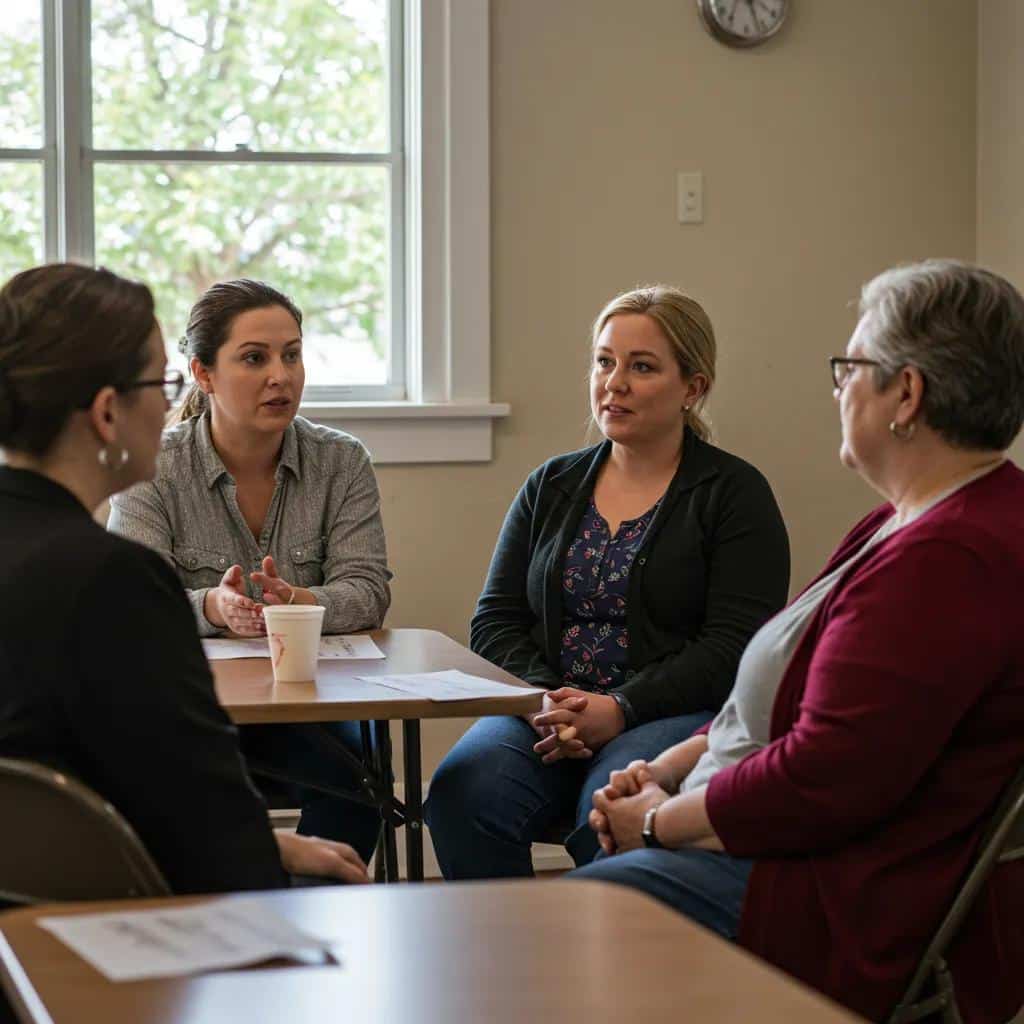
Community resources that commonly support women’s mental health include maternal and family health programs, peer support groups for postpartum mood disorders, caregiver respite organizations, and county-operated crisis or warm-line services for urgent needs. These resources provide psychoeducation, peer connection, and practical assistance (e.g., referrals to social services) and can be integrated with virtual therapy plans to address social determinants of health. Assessing the suitability of a resource involves matching the resource focus (e.g., perinatal vs. trauma vs. caregiver support) with the client’s current needs and readiness.
Clinicians often maintain lists of local supports and can facilitate warm handoffs or referrals to ensure smooth connections and follow-up, which is especially important for high-risk or resource-limited clients.
How Does Huntington Beach Mental Health Connect Women to These Resources?
Huntington Beach Mental Health coordinates care by using referral pathways, warm-handoff practices, and follow-up communication to connect clients with Orange County community supports. Clinicians discuss local resources during intake and treatment planning, make referrals when indicated, and follow up to confirm engagement and outcomes. This coordination reduces fragmentation of care and helps women access comprehensive supports that address both clinical and practical needs.
By integrating virtual clinical care with local resource networks, Huntington Beach Mental Health aims to provide a seamless continuum of support that respects client preferences and improves long-term recovery outcomes.
- Ready to start: Use the stepwise onboarding table above to prepare for scheduling and intake.
- Prepare documentation: Gather insurance details and medication lists prior to your intake.
- Choose a format: Decide whether individual therapy, group support, or medication management best fits your needs.
Scheduling a virtual consultation or asking questions about options is a supportive next step for women ready to pursue care.