
Key Takeaways
- There is no single official answer to “what flower represents mental health,” but jasmine, lavender, lotus, chrysanthemums, sunflowers, lisianthus, and green-themed flowers are common symbols.
- The green ribbon serves as the universal color and emblem for general mental health awareness; many people pair it with white or purple flowers during May.
- Jasmine and lavender are among the best flowers linked with reduce anxiety, better sleep quality, and improved mood.
- Flowers can support mental wellbeing and encourage creativity, but they do not replace therapy, medication management, or crisis care from Huntington Beach Mental Health.
What Flower Represents Mental Health?
Several specific flowers are recognized within the mental health community for resilience, healing, and emotional well-being. Flowers are more than just a beautiful bloom; they can carry meaning, memory, and hope.
- Jasmine: emotional healing, peaceful sleep, and a calming scent.
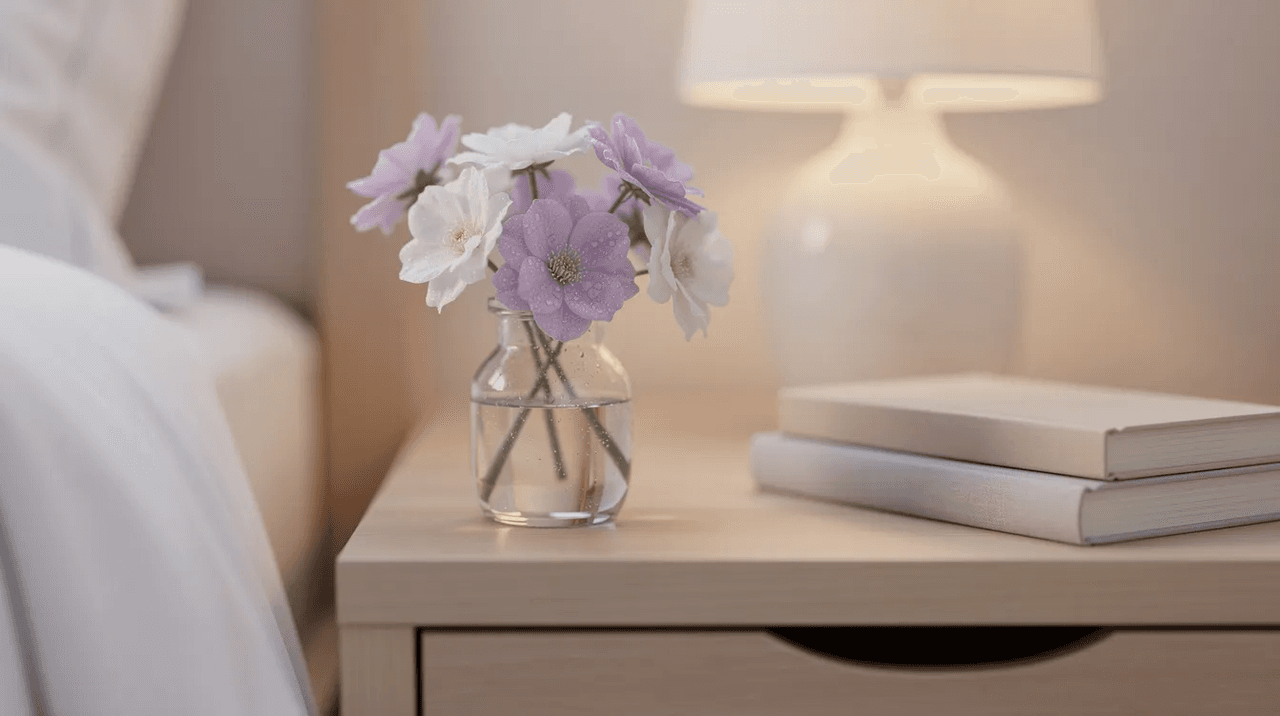
- Lavender: calmness, serenity, relaxation, and relief from anxiety, stress, and trauma.
- Lotus: resilience, inner strength, personal growth, and transformation after hardship.
- Green chrysanthemum or white roses: often paired with the green ribbon for awareness.
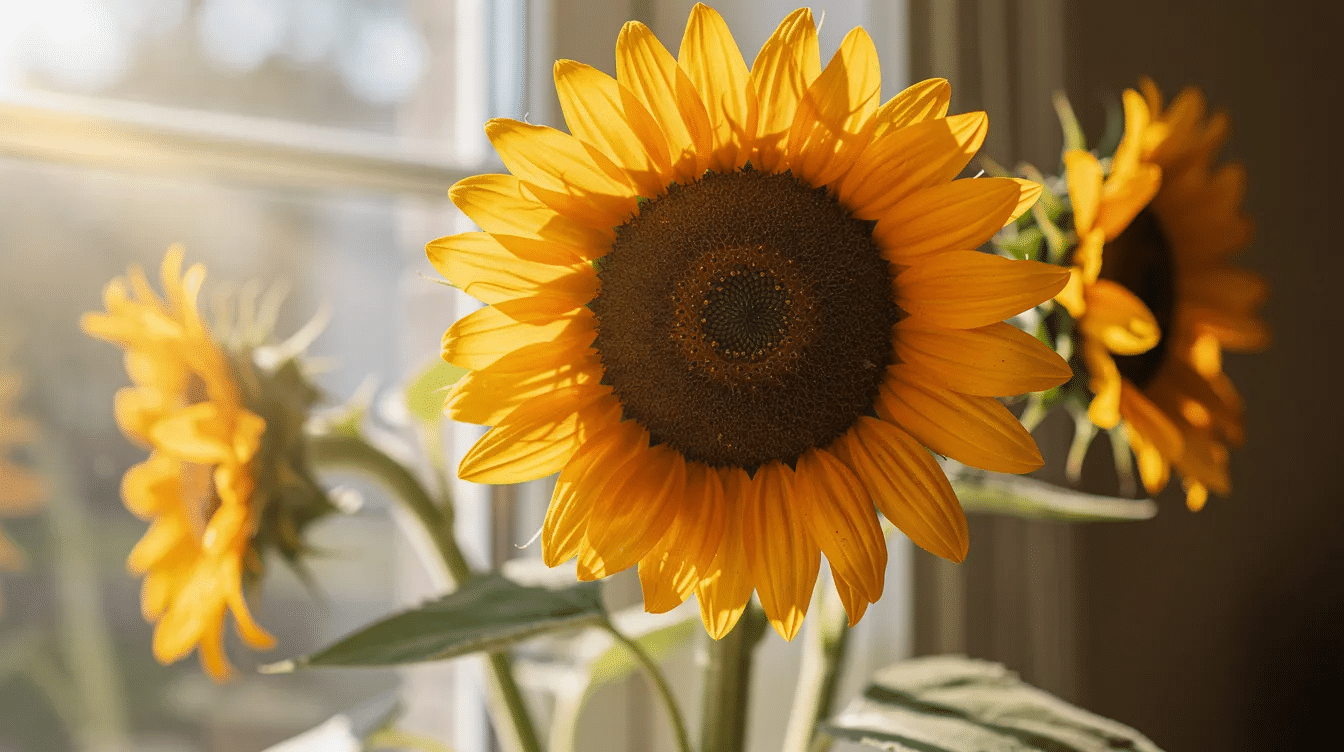
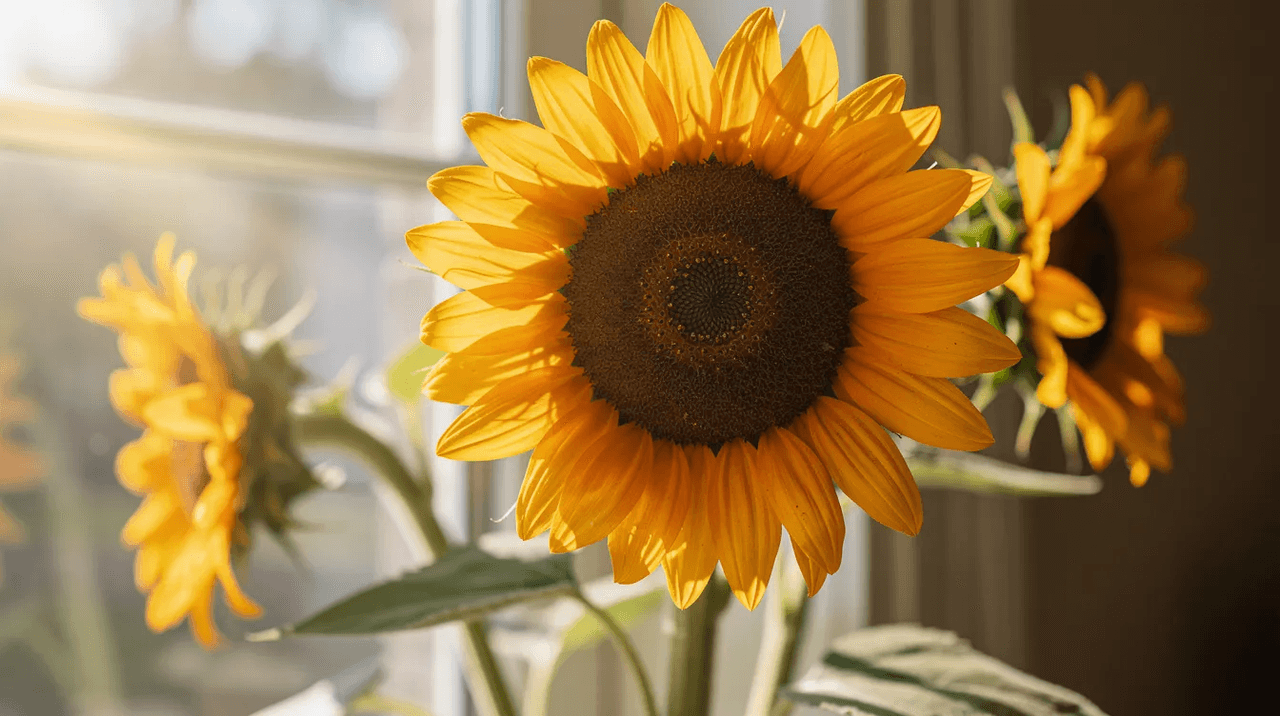
- Sunflower: optimism, recovery, and “turning toward the light.”
- Flannel Flower: denotes adaptability and enduring strength and is the official national symbol for mental health awareness in Australia.
Artists and tattoo designs often use lotus, sunflower, and semicolon-style floral designs to mark a person’s mental health recovery.
How Flowers Impact Mental Health and Mental Wellbeing
Research has shown that flowers can have a positive impact on mental health, reducing stress, anxiety, and depression, while improving mood and cognitive function. Incorporating flowers into your daily life can improve mood and reduce stress, as studies have shown that the presence of flowers can evoke positive emotions and memories.
- A review of indoor plants found positive effects on stress, mood, and physiological markers such as a person’s heart rate.
- Keeping flowers creates a sense of routine; caring for flowers can serve as a mindfulness practice, anchoring attention in the present moment.
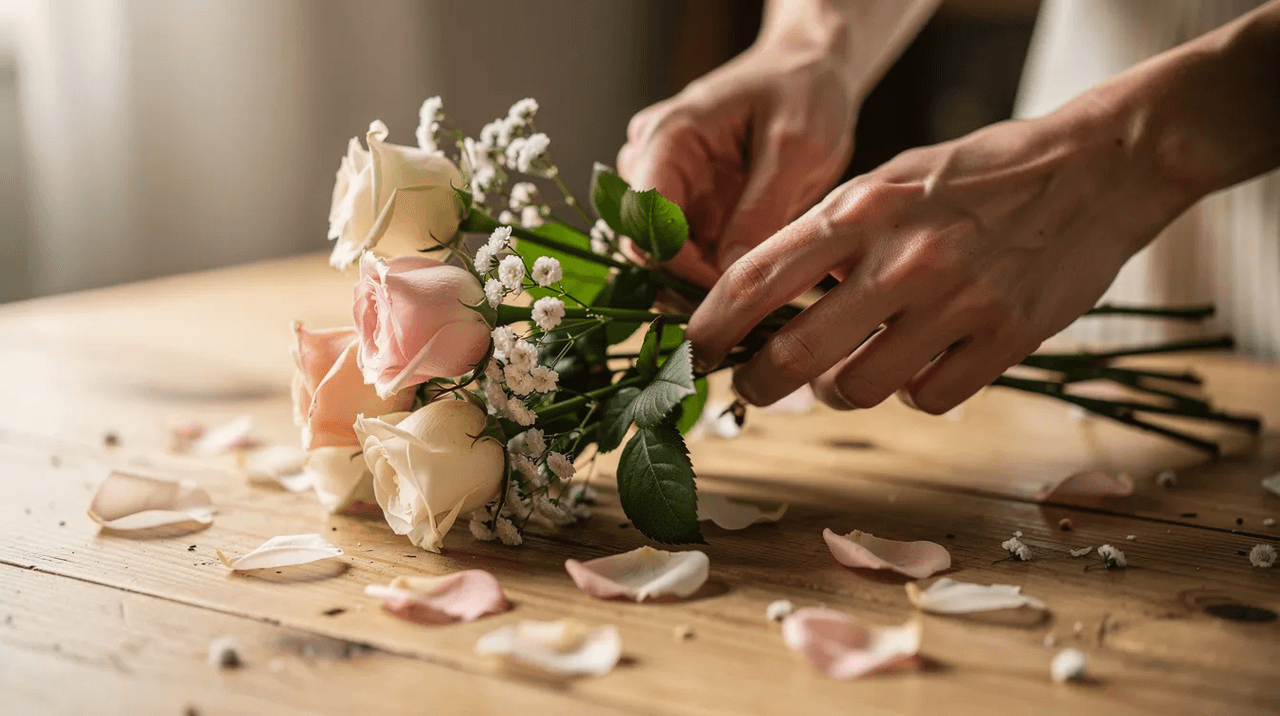
- Engaging in floral therapy such as arranging bouquets or caring for living plants acts as a grounding exercise that lowers stress hormones and fosters present-moment awareness.
- Floral therapy, also known as flower therapy, is a complementary therapy that uses flowers and their essences to promote physical and emotional wellbeing, gaining popularity for its effectiveness in treating various mental health conditions.
- In clinical settings, floral therapy is used to create calming environments for patients, which can lead to lower blood pressure and heart rates, promoting faster healing times.
At Huntington Beach Mental Health, we view flowers, plants, and nature as supportive tools that can complement therapy, psychiatry, and stress-reduction strategies.
Flower Colors and Emotions in Mental Health
The physical presence and color palette of flowers significantly impact psychological status and can elevate feelings of cheerfulness and cognitive relaxation. Color psychology indicates that specific colors in flowers can stimulate physiological relaxation and enhance mood.
- Pale lavender, baby pink, soft white, blue, and green promote calmness and soothe anxiety levels.
- Warm colors like red and orange are associated with happiness; red flowers, sunflower yellow, and deep fuchsia can improve mood and energy levels.
- Analogous schemes, such as blue-green-purple, usually feel calmer than high-contrast palettes.
- A blue-green flower cools a room visually, while bright flowers brighten a desk or creative corner.
- Choose flowers by goal: calming tones for restful sleep, energizing tones for focus and creativity.
Specific Flowers That Represent Mental Health
The best flowers depend on the message you want to send. Some represent calm, some courage, and others new ideas, hope, or mental health preservation.
Main choices include jasmine, lavender, chrysanthemum, lisianthus, sunflower, lotus, roses, chamomile, calendulas, and supportive greenery like snake plants and peace lilies. Your preferred flowers should fit the person, culture, allergies, smell sensitivity, and home life.
Jasmine: Calm, Sleep, and Emotional Healing
Jasmine is often considered one of the best flowers for mental wellbeing because its scent is associated with rest and emotional safety.
- The scent of jasmine is known to reduce stress and anxiety levels, helping to facilitate a peaceful sleep and improve overall mental health.
- Jasmine is known to reduce stress and anxiety levels, helping with sleep problems by lowering heart rate and facilitating peaceful sleep.
- Jasmine is effective in reducing stress and anxiety levels, and it helps facilitate peaceful sleep by lowering heart rates.
- Specific flower scents trigger measurable neurological shifts and can lower heart rates, reduce stress, and improve sleep quality.
- Use jasmine flowers, tea, or a diffuser as an evening ritual alongside therapy homework.
Lavender: Anxiety Relief and Balance
Lavender is widely recognized for its calming properties, and its scent is believed to help reduce stress, anxiety, and even mild pain.
- Lavender is commonly used in aromatherapy and is known for its calming effects, helping to reduce stress, anxiety, and mild pain.
- Studies on lavender preparations support relaxation and sleep benefits.
- Using floral essential oils, such as lavender and jasmine, in a diffuser can create a calming atmosphere and promote relaxation, making them a great addition to daily routines.
- Lavender bouquets, dried bundles, or oils can help reduce stress in bedrooms, therapy spaces, and home offices.
Chrysanthemums: Resilience and Mood Support
Chrysanthemums, or mums, often symbolize long life, resilience, and quiet strength.
- Chrysanthemums have been shown to lessen symptoms of worry and stress, and their calming effects can improve overall mood.
- Chrysanthemums have been shown to lessen symptoms of worry and stress, and they can also be consumed as tea to promote relaxation.
- Research on chrysanthemum flower tea found higher vigor and lower mood disturbance.
- Yellow or white mums can support someone facing depression, grief, or chronic stress while encouraging professional help.
Lisianthus: Encourage Creativity and Self-Expression
Lisianthus flowers are recognized for their ability to encourage creativity and free thinking, making them beneficial for mental stimulation and productivity.
Place lisianthus near a desk to cue creativity, new ideas, and “permission to play.” Creative coping skills such as art, writing, and music can reduce stress, build confidence, and support recovery from depression.
Sunflowers and Lotus: Hope, Growth, and Recovery
Sunflowers represent warmth, optimism, and the choice to turn toward light. Lotus flowers grow from muddy water yet bloom clean and bright, which makes the Lotus flower a symbol of resilience, inner strength, and personal growth after mental health challenges.
Many mental health awareness tattoos and wall prints use lotus designs with semicolons, dates, or affirmations to honor survival and ongoing therapy work.
Greenery and Snake Plants: Everyday Mental Health Support
Snake plants are low-maintenance indoor plants that can improve mood, energy levels, and sleep quality. They may improve air quality, support air quality goals, and offer a steady sense of renewal.
Greenery can help reduce stress, improve focus, and reduce screen-related strain. Peace lilies are also popular, but check pet safety. Some plants are linked in traditional use to anti fungal properties, blood circulation, ease inflammation, heal wounds, and good health, though these claims should not replace medical care.
Flowers, Mental Health History, and Cultural Meanings
Flowers have an important role in emotional expression across cultures, from ancient Egypt and Greece to Japan and India. The lotus represents enlightenment and mental clarity in Eastern traditions; cherry blossoms remind people of life’s fragility and present-moment living.
Chamomile represents rest, patience, and restoration, and is associated with calming an overactive mind. Calendulas are known for their antibacterial and anti-inflammatory properties, which can aid in recovery and improve overall well-being, making them beneficial for stress relief. Roses are known to produce endorphins that can boost mood and reduce stress, as their scent triggers the release of oxytocin in the brain.
Practical Ways to Use Flowers to Support Mental Health
Flowers such as Lavender, Jasmine, and Sunflowers are used in sensory therapies and wellness practices to promote physiological relaxation and emotional well-being.
- Keep fresh flowers in the bedroom for peaceful sleep and restful sleep.
- Place sunflowers or gerberas near work to increase positive emotions and motivation.
- Growing your own flowers can be a rewarding hobby that not only beautifies your space but also contributes to mental well-being by providing a sense of purpose and accomplishment.
- Create a bouquet after a hard week; receiving flowers can lift feelings and support well being.
- Use floral imagery in journals or phone backgrounds as reminders of beauty, support, and emotions.
Research has shown that flowers can improve mood and reduce stress-related depression, making them effective for enhancing emotional well-being. Research has shown that flowers can improve mood and reduce stress-related depression, making them beneficial for mental health.
When Flowers Aren’t Enough: Getting Professional Help
Flowers offer benefits, but a beautiful bloom cannot treat every symptom. If sadness, panic attacks, intrusive thoughts, self-harm urges, sleep or appetite changes, or mood swings are disrupting daily life, it is time to seek support.
Huntington Beach Mental Health serves adults, teens, individuals, couples, and families in Orange County, California. We offer anxiety treatment, depression treatment, PTSD recovery, bipolar disorder therapy, ADHD management, OCD treatment, family therapy, group therapy, medication management, crisis intervention, online therapy, and support groups, including evenings and weekends.
Request an appointment or verify insurance if self-care no longer feels like enough.
FAQ
These questions cover practical and safety concerns about flowers, plants, and mental health.
Is there an official flower for Mental Health Awareness Month?
In the United States, May is Mental Health Awareness Month, and the official symbol is the green ribbon, not a specific flower. Many people pair it with jasmine, lavender, white roses, or green flowers to symbolize peace, hope, and healing.
What is the best flower to give a friend struggling with anxiety or depression?
For anxiety, choose calming flowers like lavender, jasmine, or soft-colored roses. For depression, choose uplifting sunflowers or gerberas, and include a note that gently encourages professional support if symptoms continue.
Can flowers or snake plants replace therapy or medication?
No. Flowers, snake plants, and other plants can support a healing environment, but major depression, bipolar disorder, PTSD, OCD, and severe anxiety usually require evidence-based care.
Are there safety concerns with using flowers for mental wellbeing at home?
Yes. Check toxicity for pets and children, especially lilies. Start with a light scent to avoid headaches, asthma irritation, or sensory overload.
How can I use flowers as part of therapy homework?
Journal about what flowers mean to you, arrange a small bouquet as grounding, or discuss nature-based rituals with your Huntington Beach Mental Health therapist.