

What Is Psychosis: Understanding Symptoms, Causes, Diagnosis, and Treatment Options
Psychosis is a mental health condition characterized by a disconnection from reality, often manifesting through hallucinations and delusions. Individuals experiencing psychosis may struggle to distinguish between what is real and what is not, leading to significant distress and impairment in daily functioning. This article aims to provide a comprehensive understanding of psychosis, including its symptoms, causes, diagnosis, and available treatment options. Recognizing the early signs of psychosis is crucial, as timely intervention can significantly improve outcomes. We will explore the various symptoms associated with psychosis, the underlying causes, the diagnostic process, and the treatment options available, including local mental health services that can support recovery.
What Are the Early Signs and Symptoms of Psychosis?
Early signs of psychosis can vary widely among individuals, but some common symptoms include:
- Social Withdrawal: Individuals may begin to isolate themselves from friends and family, showing a lack of interest in social activities.
- Changes in Mood: Sudden mood swings, irritability, or heightened emotional responses can indicate the onset of psychosis.
- Cognitive Difficulties: Trouble concentrating, memory issues, or disorganized thinking may be early warning signs.
Recognizing these symptoms early is essential for seeking help. If you or someone you know is experiencing these signs, it is important to schedule a confidential assessment with a mental health professional. Huntington Beach Mental Health specializes in providing personalized treatment plans for psychotic disorders, ensuring that individuals receive the support they need.
How Do Hallucinations and Delusions Manifest in Psychosis?
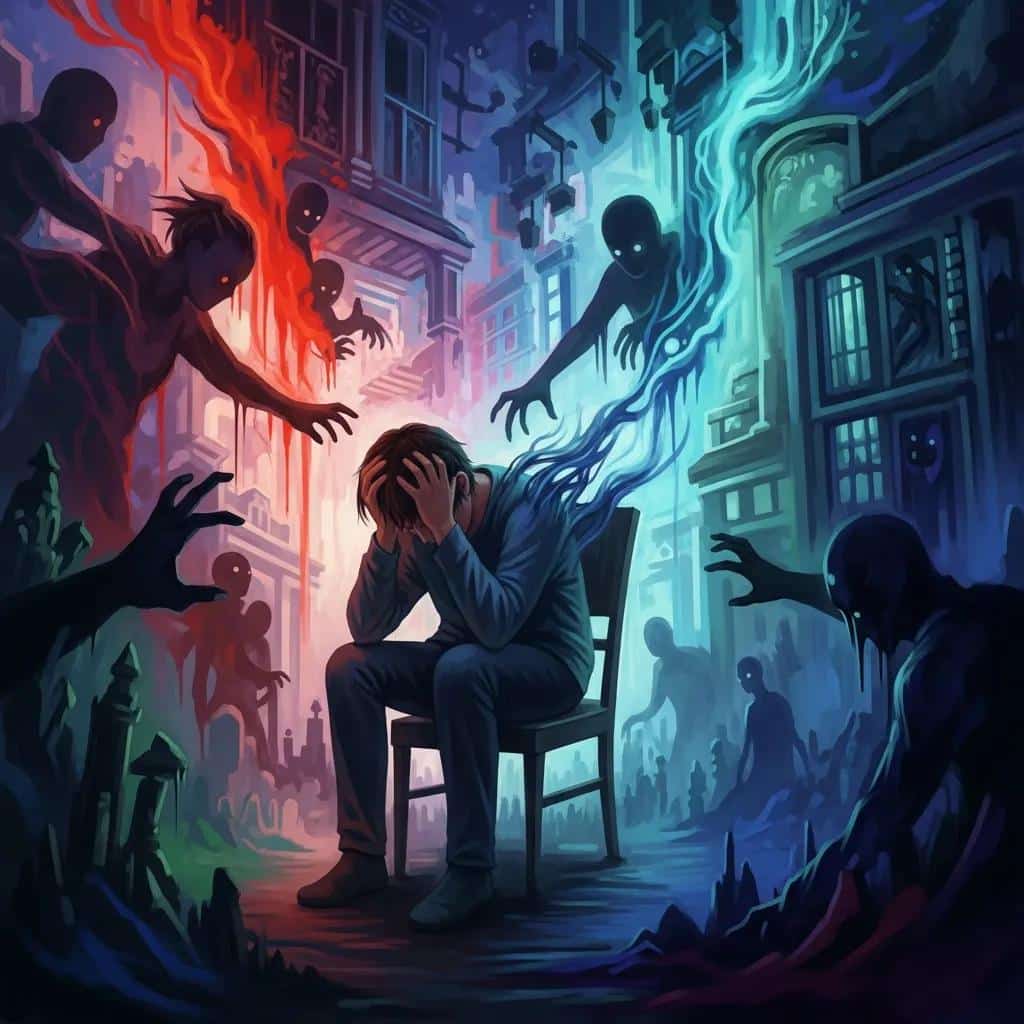
Hallucinations and delusions are hallmark features of psychosis. Hallucinations involve perceiving things that are not present, such as hearing voices or seeing things that others do not. These experiences can be frightening and disorienting, leading to increased anxiety and confusion. Delusions, on the other hand, are false beliefs that are firmly held despite evidence to the contrary. For example, an individual may believe they are being persecuted or that they possess extraordinary abilities.
Understanding how these symptoms manifest is crucial for recognizing psychosis. The impact of hallucinations and delusions on daily life can be profound, affecting relationships, work, and overall quality of life.
What Other Behavioral and Emotional Changes Indicate Psychosis?
In addition to hallucinations and delusions, other behavioral and emotional changes may signal the onset of psychosis. These can include:
- Increased Paranoia: Heightened suspicion of others and a pervasive sense of being watched or judged.
- Emotional Blunting: A noticeable reduction in emotional expression, leading to a flat or unresponsive demeanor.
- Disorganized Behavior: Engaging in unusual or erratic behaviors that are out of character for the individual.
These changes can be subtle at first but may escalate if left unaddressed. It is vital to seek professional evaluation if these symptoms are observed.
What Causes Psychosis and Who Is at Risk?
Psychosis can arise from various causes, including mental health disorders, substance abuse, and medical conditions. Some of the most common causes include:
- Schizophrenia: A severe mental health disorder characterized by persistent psychosis.
- Bipolar Disorder with Psychotic Features: Individuals may experience psychosis during manic or depressive episodes.
- Substance-Induced Psychosis: The use of drugs or alcohol can trigger psychotic symptoms.
Certain risk factors can increase the likelihood of developing psychosis, such as a family history of mental illness, exposure to trauma, and significant stressors in life. Understanding these factors can help in identifying individuals who may be at higher risk.
Which Biological and Environmental Factors Contribute to Psychosis?
Both biological and environmental factors play a role in the development of psychosis. Biological factors may include:
- Genetic Predisposition: A family history of psychotic disorders can increase risk.
- Neurochemical Imbalances: Dysregulation of neurotransmitters, such as dopamine, is often implicated in psychosis.
Environmental factors can also contribute significantly, including:
- Traumatic Experiences: Exposure to trauma, especially during formative years, can increase vulnerability.
- Substance Abuse: The use of certain drugs can precipitate psychotic episodes.
The interplay between these factors is complex and varies from person to person, highlighting the need for individualized assessment and treatment.
How Do Risk Factors Affect the Onset of Psychotic Disorders?
Risk factors can significantly influence the onset of psychotic disorders. For instance, individuals with a family history of mental illness may be more likely to experience psychosis themselves. Additionally, stress and trauma can act as triggers, particularly in those already predisposed to mental health issues. Co-occurring conditions, such as anxiety or depression, can also exacerbate the risk of developing psychosis.
Understanding how these risk factors interact is crucial for early intervention. Mental health professionals can use this knowledge to develop targeted prevention strategies and treatment plans.
How Is Psychosis Diagnosed Through Confidential Assessments?
Diagnosing psychosis typically involves a comprehensive evaluation by a mental health professional. This process includes:
- Initial Evaluation: A clinician will conduct a thorough assessment, including a review of the individual’s medical history and current symptoms.
- Focused Intake: Clinicians may use standardized assessment tools to gather detailed information about the individual’s experiences and behaviors.
- Assessment Plan and Diagnosis: Based on the evaluation, a diagnosis will be made, and a treatment plan will be developed.
Confidential assessments are essential for building trust and ensuring that individuals feel safe discussing their experiences. Huntington Beach Mental Health emphasizes the importance of confidentiality in their assessment process, fostering an environment where patients can openly share their concerns.
What Steps Are Involved in the Psychosis Diagnosis Process?
The diagnosis of psychosis involves several key steps:
- Initial Contact and Screening: Individuals seeking help will first undergo a screening process to determine the nature and severity of their symptoms.
- Comprehensive Psychiatric Assessment: A detailed evaluation will follow, including interviews and questionnaires to assess mental health status.
- Discussion of Results and Treatment Recommendations: After the assessment, clinicians will discuss the findings with the individual and recommend appropriate treatment options.
This structured approach ensures that individuals receive a thorough evaluation and tailored treatment plan to address their specific needs.
The diagnostic process, while structured, often presents challenges, especially in the early stages of psychosis, due to the complexity of symptoms and varying classification systems.
Diagnosing First-Episode Psychosis: Challenges & Classification
Aim: Diagnosis during the initial stages of first-episode psychosis is particularly challenging but crucial in deciding on treatment. This is compounded by important differences in the two major classification systems, International Classification of Diseases, 10th revision (ICD-10) and Diagnostic and Statistical Manual of Mental Disorders, fourth edition (DSM-IV).
Spurious precision: procedural validity of diagnostic assessment in psychotic disorders, PD McGorry, 1995
How Does Confidentiality Support Patient Trust During Assessment?
Confidentiality is a cornerstone of effective mental health care. It allows individuals to share their experiences without fear of judgment or repercussions. Building a therapeutic alliance based on trust is essential for successful treatment outcomes. When patients know that their information is kept private, they are more likely to engage openly in the assessment process.
Huntington Beach Mental Health prioritizes confidentiality, ensuring that all assessments are conducted in a secure and supportive environment. This commitment to privacy helps foster a sense of safety, encouraging individuals to seek the help they need.
What Treatment Options and Support Are Available for Psychosis?

Treatment for psychosis typically involves a combination of medication and therapy. Some common treatment options include:
- Antipsychotic Medications: These medications help manage symptoms by targeting neurotransmitter imbalances in the brain.
- Psychotherapy: Therapeutic approaches, such as cognitive-behavioral therapy (CBT), can help individuals cope with their experiences and develop coping strategies.
- Support Services: Community resources, including support groups and crisis intervention services, play a vital role in recovery.
Huntington Beach Mental Health offers confidential psychosis assessments and ongoing mental health support tailored to early detection and intervention, ensuring individuals receive comprehensive care.
How Do Therapy and Medication Help Manage Psychosis?
Therapy and medication work synergistically to manage psychosis effectively. Antipsychotic medications can reduce the severity of symptoms, allowing individuals to engage more fully in therapy. Psychotherapy provides a space for individuals to explore their thoughts and feelings, develop coping strategies, and work towards recovery.
Research shows that a combination of medication and therapy leads to better outcomes than either approach alone. This integrated treatment model is essential for addressing the complex nature of psychotic disorders.
Further research delves into the specific mechanisms and classifications of psychosis, highlighting the role of neurochemical imbalances and the efficacy of antipsychotic treatments.
Psychosis: Symptoms, Causes, and Antipsychotic Treatments
Psychosis is a complex and chronic neuropsychiatric disorder categorized into positive symptoms (overexcitement, hallucination, and delusion), negative symptoms (avolition, isolation, anhedonia), and cognitive decline (insufficiency of attention, concentration, learning, and memory). Biphasic dysregulation of dopamine signaling includes overexpression of dopaminergic transmission in the mesolimbic pathway that triggers positive symptoms while its low expression in the mesocortical pathway stimulates negative symptoms and cognitive decline. Clinically, typical and atypical antipsychotic agents are used to treat psychosis which act by inhibiting dopamine or serotonin receptors or both.
Possible biomarkers and contributing factors of psychosis: a review, M Yadav, 2021
What Local Mental Health Services in Huntington Beach Support Recovery?
Huntington Beach offers various mental health services to support individuals experiencing psychosis. These services include:
- Individual Therapy: One-on-one sessions with licensed therapists to address specific mental health concerns.
- Group Therapy: Support groups that provide a sense of community and shared experience among individuals facing similar challenges.
- Crisis Intervention Services: Immediate support for individuals in acute distress, ensuring safety and stabilization.
These local resources are invaluable for individuals seeking recovery and support in their mental health journey. Huntington Beach Mental Health is dedicated to providing these essential services to the community.