

What to Expect During Mental Health Treatment in Huntington Beach: A Complete Guide to the Treatment Process and Recovery
Mental health treatment in Huntington Beach covers a range of services—from initial psychiatric assessment and intake through psychotherapy, medication management, residential care, crisis stabilization, and aftercare planning—and knowing the process reduces anxiety and helps people make informed choices. This guide explains what to expect at each stage of care, how providers evaluate needs, which therapies are commonly used, and how recovery and relapse prevention are planned to support sustained mental health recovery in Huntington Beach. Readers will learn step-by-step intake and assessment procedures, comparisons of program types, practical descriptions of CBT, DBT, EMDR and medication management, and clear paths to ongoing community supports.
The article also maps typical timelines and progress markers so patients and families can set realistic expectations, and it highlights local care examples and resources that illustrate how individualized plans are implemented.
What Happens During the Initial Psychiatric Assessment in Huntington Beach?

An initial psychiatric assessment in Huntington Beach is a structured clinical evaluation that identifies symptoms, safety needs, and an appropriate level of care by combining a clinical interview, risk screening, medication review, and history gathering. Clinicians use this assessment to determine diagnosis, immediate safety measures, and whether outpatient therapy, intensive outpatient services, residential treatment, or crisis stabilization is indicated; this diagnostic-to-plan relationship aligns symptoms with recommended interventions. Patients and families benefit because the assessment creates measurable goals and a documented starting point for treatment progress, which supports transparent decision-making and safer care transitions. Understanding the intake steps helps reduce uncertainty and prepares readers for the typical sequence they will experience during first contact and follow-up planning.
How is the Mental Health Intake Process Conducted?
The intake process typically begins with scheduling and verification, followed by check-in, brief triage, and a clinical interview with a nurse or clinician to capture presenting symptoms and immediate safety concerns. Intake often includes standardized screening tools for depression, anxiety, substance use, and suicide risk, which inform initial level-of-care recommendations and urgency of intervention. Telehealth intake options may be available for initial screening and follow-up medication checks, while in-person intakes allow for vital signs, more detailed observation, and immediate crisis intervention if needed. Clear communication during intake speeds up accurate diagnosis and sets the stage for the treatment plan described in the next subsection.
What Information is Collected During Psychiatric Evaluation?
A psychiatric evaluation collects medical history, psychiatric history, current medications, substance use patterns, sleep and appetite changes, social supports, and legal or safety concerns to create a comprehensive clinical picture. Clinicians document prior hospitalizations, outpatient treatment, trauma history, family psychiatric history, and functional impairments so diagnosis and treatment selection reflect the whole person. Consent and privacy discussions are part of the evaluation so patients understand limits of confidentiality, emergency procedures, and who will be involved in coordinated care. This information directly informs medication decisions and therapy recommendations that we describe in later sections.
How Does Insurance Verification Affect Admissions?
Insurance verification clarifies coverage limits, prior authorization needs, copay expectations, and whether certain program levels require authorization before admission, which can affect timing and length of stay. Verification steps usually include checking network status, determining benefit maximums for inpatient or residential care, and confirming whether intensive outpatient program (IOP) sessions or crisis stabilization are covered. When coverage gaps exist, clinicians and case managers discuss alternative payment plans, sliding-scale outpatient options, and community resources that can bridge care until authorization is in place. Knowing insurance implications helps patients plan logistics and sets realistic expectations about admission timing and duration, which will be important when preparing for the first appointment.
What Should Patients Prepare for Their First Appointment?
Patients should gather photo ID, insurance information, a medication list with dosages, a brief timeline of symptoms, and names of prior providers to accelerate the intake and enable accurate medical and psychiatric reconciliation. Bringing a trusted support person can help with history accuracy and provide emotional support, while preparing a short list of questions for the clinician ensures patient priorities are discussed. Practical tips include noting recent sleep, appetite, and substance use changes and preparing to discuss safety planning if suicidal or self-harm thoughts are present. Preparing documentation and questions increases the efficiency of the assessment and leads directly into how treatment recommendations are tailored and scheduled.
Huntington Beach Mental Health example intake: As a local example, Huntington Beach Mental Health conducts structured intakes that follow the steps above, using standardized screenings and clinician interviews to determine an individualized plan and level-of-care recommendation; their approach illustrates how an initial psychiatric assessment becomes the foundation for a targeted treatment pathway and enrollment in comprehensive mental health treatment programs. For admission or telehealth screening, callers can contact the facility to discuss next steps and ask about admissions processes and availability by phone.
What Types of Mental Health Treatment Programs Are Available in Huntington Beach?
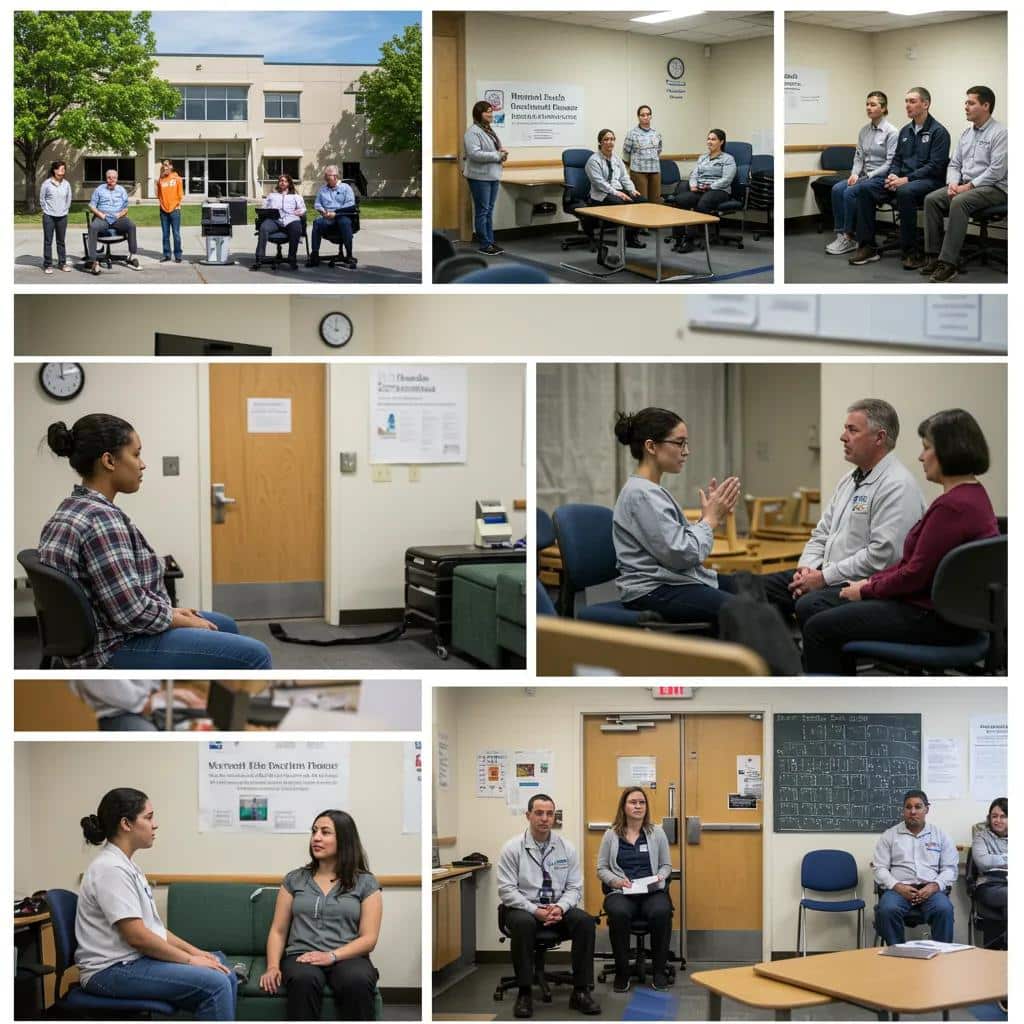
Mental health programs in Huntington Beach span several levels of care—residential or inpatient programs for 24/7 supervision, intensive outpatient programs that provide structured daytime treatment while patients live at home, and crisis stabilization for short-term acute safety and stabilization—each designed to match patient severity and safety needs. Program selection depends on clinical presentation, risk factors, functional impairment, and patient goals; higher-intensity programs prioritize safety and stabilization, while outpatient tiers emphasize skill building and community reintegration. Understanding the contrasts among program types helps patients and families choose the right option and anticipate how daily schedules, therapy intensity, and discharge planning differ across settings. The following comparison table summarizes typical settings, hours, and core services to assist decision-making.
Different program types have distinct settings, hours, and services suited to severity and recovery goals.
| Program Type | Typical Setting & Hours | Core Services Included |
|---|---|---|
| Inpatient / Residential | 24/7 supervised facility; structured daily schedule | 24/7 supervision, medication management, group and individual therapy, safety planning |
| Outpatient / IOP | Clinic-based hours; IOP often 3–5 days/week for several hours | Individual therapy, group therapy, skills training, case management |
| Crisis Stabilization | Short-term unit or psychiatric emergency setting; usually days to 1–2 weeks | Rapid assessment, medication adjustments, brief stabilization-focused therapies, discharge planning |
This table clarifies how levels of care differ so readers can match clinical needs to appropriate services and proceed to individualized planning described next.
When comparing program choices, consider these practical bullets that highlight who each program is best for and what to expect.
- Inpatient/Residential: Best for those with safety concerns, significant functional impairment, or need for 24/7 medication and monitoring.
- Intensive Outpatient Program (IOP): Appropriate for individuals who need structured therapy multiple days per week but can live safely at home.
- Crisis Stabilization: Designed for acute episodes requiring short-term stabilization and immediate safety planning.
These distinctions guide the next step: how individual treatment plans are tailored across programs and evolve over time.
Huntington Beach Mental Health’s local services include residential treatment and crisis short-term stabilization as specific program examples, demonstrating how structured, supervised care and short-term stabilization both serve distinct clinical needs within a continuum of recovery options.
Which Therapeutic Modalities Are Used During Mental Health Treatment?
Therapeutic modalities commonly used in Huntington Beach treatment settings include cognitive behavioral therapy (CBT), dialectical behavior therapy (DBT), eye movement desensitization and reprocessing (EMDR) for trauma, group and family therapy formats, and coordinated medication management—each modality targets different mechanisms to reduce symptoms and improve functioning.
Clinicians select therapies based on diagnosis, patient preference, and evidence base; for example, CBT targets distorted thoughts to alter mood and behavior, DBT teaches emotion regulation and distress tolerance, and EMDR addresses traumatic memory processing. Using multiple modalities creates a comprehensive, multi-pronged approach where medication management can stabilize biology while psychotherapy teaches skills and processes trauma. The table below clarifies common therapies, what they typically treat, and the format and expected benefits to help patients understand choices and expected outcomes.
Therapies are selected to match clinical needs and expected benefits.
| Therapy | What It Treats | Typical Format & Expected Benefit |
|---|---|---|
| Cognitive Behavioral Therapy (CBT) | Depression, anxiety, some PTSD symptoms | Individual sessions; teaches cognitive restructuring and behavioral activation to reduce symptoms |
| Dialectical Behavior Therapy (DBT) | Emotion dysregulation, self–harm behaviors | Skills groups + individual therapy; improves emotion regulation and interpersonal effectiveness |
| EMDR | Trauma and PTSD | Protocol-driven sessions using bilateral stimulation; facilitates trauma processing and symptom reduction |
| Group Therapy | Social support, skill practice | Clinician-led groups; reinforces skills, normalizes experiences, reduces isolation |
| Family Therapy | Family dynamics, communication, relapse prevention | Conjoint sessions; improves communication and supports sustainable recovery |
This table helps patients match conditions to therapy formats and leads into short descriptions of each modality below.
What is Cognitive Behavioral Therapy and How Does It Help?
Cognitive Behavioral Therapy (CBT) is a structured, time-limited therapy that links thoughts, feelings, and behaviors and teaches skills to reframe unhelpful thinking patterns and increase adaptive behaviors. CBT works by identifying automatic negative thoughts, testing their accuracy, and replacing them with balanced alternatives while scheduling activities that improve mood and functioning. Typical CBT skills include cognitive restructuring, behavioral activation, exposure techniques for anxiety, and problem-solving steps that patients practice between sessions. Mastering these skills reduces symptom severity, improves daily functioning, and prepares patients for step-down care described later.
How Does Dialectical Behavior Therapy Support Recovery?
Dialectical Behavior Therapy (DBT) combines skills training in mindfulness, distress tolerance, emotion regulation, and interpersonal effectiveness with individual therapy to help people manage severe emotional dysregulation and reduce self-harm behaviors. DBT’s structure—weekly skills group plus individual coaching—supports skill acquisition while therapists help apply skills in real-world situations, creating measurable behavioral change. Populations who benefit include people with borderline traits, chronic suicidal ideation, or extreme emotional reactivity; outcomes typically include reduced crisis behaviors, improved relationships, and better emotional stability. These skill-based gains directly support relapse prevention and community reintegration strategies covered later.
What Role Does Eye Movement Desensitization and Reprocessing Play?
EMDR is an evidence-informed therapy for trauma and PTSD that uses a standardized eight–phase protocol with bilateral stimulation to help the brain reprocess traumatic memories and reduce the intensity of trauma-related symptoms. Sessions include history and preparation, targeted memory processing with bilateral stimulation, and installation of adaptive beliefs, often producing symptom relief over a series of treatments. EMDR is particularly indicated when trauma memories are central to symptoms and when exposure–based approaches are appropriate; it complements other therapies by addressing core memory-related drivers of distress. Understanding EMDR’s protocol helps patients consider trauma-focused options during treatment planning.
How Are Group Therapy and Support Groups Integrated?
Group therapy in clinical programs is clinician-led and focuses on skill teaching, role-playing, and mutual feedback, while peer-led support groups emphasize shared experience and ongoing community support; both formats reduce isolation and reinforce therapeutic learning. Clinician-led groups are scheduled parts of treatment plans and follow clear confidentiality expectations, structured curricula, and outcomes tracking, whereas support groups often continue post-discharge as community resources. Integrating groups into a plan provides practice opportunities, normalizes recovery challenges, and builds peer networks that support long-term maintenance. Group experiences often dovetail with individual therapy and medication management to create a comprehensive course of care.
What Does Family Therapy and Education Involve?
Family therapy provides psychoeducation about symptoms, communication skills training, and relapse prevention strategies to align family support with treatment goals and improve the home environment for recovery. Formats include conjoint family sessions and multi-family groups that teach caregivers how to respond to warning signs, set boundaries, and support medication adherence without enabling problematic behaviors. Topics often include managing crises, recognizing early warning signs, and practical strategies for daily support that reduce conflict and promote stability. Engaged families typically enable faster, more sustainable recovery and smoother transitions after discharge.
How Is Medication Management Handled by Psychiatrists?
Medication management begins with a psychiatric evaluation to identify appropriate psychotropic options, followed by scheduled follow-ups to monitor efficacy, side effects, and the need for lab monitoring or dose adjustments. Prescribers coordinate with therapists and case managers to ensure medications complement psychotherapy goals and to adjust regimens when comorbidity or medical issues affect tolerability. Clear documentation of medication goals, expected benefits, and monitoring plans helps patients participate in shared decision-making and empowers them to report response patterns. Effective medication management stabilizes symptoms and enables active engagement in evidence-based therapies described above.
How Does the Mental Health Recovery Journey Progress After Treatment?
The recovery journey after treatment typically moves from stabilization to skill acquisition, then to community reintegration and relapse prevention planning, with layered supports tailored to individual needs and local resources. Progress is measured by symptom reduction, increased functioning, improved relationships, and the ability to use coping skills autonomously; clinicians translate these improvements into stepped care plans such as outpatient therapy, IOPs, telehealth follow-ups, and peer support. Aftercare planning includes concrete relapse prevention strategies, scheduled follow-ups, and linkages to community resources that provide long-term support and crisis backup. The following table outlines common aftercare options, who they suit, and typical timelines to help patients plan realistic next steps.
Aftercare choices vary by need and expected timeline.
| Aftercare Option | Who It’s For | Typical Timeline / Benefit |
|---|---|---|
| Continued individual therapy | Patients needing regular skills work or maintenance | Weekly to biweekly for months; supports symptom management |
| Intensive Outpatient Program (IOP) | Step-down from residential or for higher-intensity outpatient needs | Several weeks to months; structured skills reinforcement |
| Support groups / peer support | Individuals seeking community and lived-experience support | Ongoing; reduces isolation and supports relapse prevention |
| Telehealth check-ins | Patients in remote areas or requiring flexible follow-up | As-needed to monthly; improves access and continuity |
This aftercare mapping clarifies options and prepares readers for practical relapse prevention measures described next.
Coping skills taught during treatment—such as emotion regulation, grounding, sleep hygiene, and activity scheduling—become portable tools patients use to manage stress and prevent relapse in daily life. Practicing these skills through homework, apps, worksheets, and group sessions reinforces neural pathways and behavioral habits that maintain recovery momentum. Examples include using grounding techniques during panic, behavioral activation for depression, and sleep routines to stabilize mood; regular skill rehearsal reduces the chance of symptom escalation. Strengthening coping skills leads naturally into formal relapse prevention planning and criteria for re-engaging higher levels of care if needed.
Relapse prevention plans combine trigger identification, coping strategies, emergency contacts, and step-down pathways so patients and families know when and how to seek additional care. Plans list early warning signs, immediate steps (who to call, safe spaces), and scheduled follow-ups with providers to address emerging problems before they escalate. Templates often include personalized coping strategies, family involvement steps, and agreements about when to use crisis stabilization resources. Having a written relapse prevention plan makes transitions smoother and reduces uncertainty during high-stress periods.
Local community resources in Orange County support ongoing mental health through peer-led groups, county mental health services, nonprofit clinics, and telehealth providers that offer affordable or sliding-scale options. Access points typically include hotlines, community clinics, and peer organizations that provide education, housing assistance referrals, and employment support, which help stabilize social determinants of health that influence recovery. Knowing how to contact and use local supports increases continuity of care after discharge and reduces readmission risk. These resources complement clinical aftercare by offering practical, sustained community connections.
Patients access continued therapy and supports by scheduling follow-ups before discharge, exploring telehealth options for regular medication checks and therapy sessions, and using case managers to coordinate specialty referrals. Practical steps include requesting provider recommendations, confirming insurance coverage for outpatient services, and setting a follow-up timeline with clear responsibilities for both patient and provider. Using telehealth can bridge geographic or scheduling barriers, enabling consistent engagement in therapy and medication monitoring and improving long-term adherence to the recovery plan.
What Are Common Questions About Mental Health Treatment Duration and Expectations?
Patients frequently ask how long treatment lasts, what daily life looks like in different program types, and which signs indicate meaningful progress and readiness for discharge; clear expectations help reduce anxiety and promote engagement. Duration depends on diagnosis severity, comorbidity, functional goals, and treatment responsiveness, with inpatient stabilizations often lasting days to weeks, IOPs measured in weeks to months, and outpatient therapy spanning months to years. Progress markers focus on symptom reduction, improved functioning, consistent coping skill use, and the ability to manage stressors with reduced crisis frequency. Below are concise answers to common questions to target featured–snippet style needs and support quick patient decisions.
How Long Does Mental Health Treatment Usually Last?
Treatment timelines vary: crisis stabilization often addresses acute episodes over days to a couple of weeks, residential or inpatient care typically lasts several weeks depending on stabilization needs, IOPs usually run several weeks to months, and outpatient therapy may continue for months to years based on goals and symptom control. Factors that influence length include diagnosis complexity, prior response to treatment, comorbid substance use or medical issues, and insurance limitations that may require periodic reauthorization. Patients should view duration as individualized: measurable goals and periodic reviews determine when step-down or discharge is appropriate. Understanding these ranges helps set realistic expectations for the recovery journey.
What Should Patients Expect During Inpatient Mental Health Programs?
Inpatient or residential programs provide a structured daily schedule that includes individual therapy, group therapy, medication management, recreation, and education while ensuring 24/7 supervision for safety. Expectations include participation in groups, adherence to safety protocols, collaboration in treatment planning, and active engagement in therapeutic homework and skill practice. Staff roles—nurses, psychiatrists, therapists, and case managers—coordinate to monitor progress, adjust medications, and plan discharge with aftercare links. This structured environment focuses on stabilization first, then skill acquisition and discharge planning to support transition to lower levels of care.
How Does Outpatient Therapy Differ in Structure and Commitment?
Outpatient therapy typically involves weekly or biweekly individual sessions, possible group therapy, and homework between sessions, allowing patients to integrate treatment into work or school while applying skills in real life. Intensive Outpatient Programs increase the time commitment to several days per week for multiple hours and emphasize concentrated skills training without overnight stays. Outpatient care requires self-management, scheduling consistency, and active homework completion to produce durable gains, and it frequently serves as the long-term maintenance phase following higher-intensity care. Balancing treatment with daily responsibilities is a core skill supported in outpatient work.
What Are the Signs of Progress and When Is Discharge Planned?
Clinicians use both clinical markers (reduced symptom severity on standardized measures, fewer crisis incidents) and functional markers (return to work/school, improved relationships, regular sleep and self–care) to judge progress; discharge planning occurs when stability and coping skills meet previously agreed-upon goals. Discharge includes a written aftercare plan, medication reconciliation, scheduled follow-ups, and referrals to ongoing therapy or community resources to maintain gains. Patients who demonstrate consistent skill use, reduced crisis frequency, and improved daily functioning are typically ready for step-down care or outpatient maintenance. Clear discharge criteria and follow-up arrangements reduce relapse risk and support sustained recovery.
How Does Huntington Beach Mental Health Ensure Compassionate and Comprehensive Care?
Huntington Beach Mental Health emphasizes individualized treatment approaches, evidence-based modalities, and continuous supervision to provide compassionate and comprehensive care tailored to each patient’s needs and recovery goals. Their model combines thorough assessments, interdisciplinary treatment planning, and measurable SMART goals that guide individualized plans while ensuring regular plan review and adjustments. Emphasizing staff coordination, family engagement, and multiple therapy options supports both clinical stabilization and longer-term skill development. Below we highlight how individualized plans and evidence-based treatment selection work together to foster a healing environment.
What Makes Individualized Treatment Plans Effective?
Individualized treatment plans are effective because they start from a data-driven assessment, set measurable SMART goals, involve interdisciplinary input (psychiatry, therapy, nursing, case management), and include regular reviews to adapt care based on progress. Measurable goals might include specific symptom reduction targets, functional milestones like returning to work, or skill mastery such as consistent use of grounding techniques under stress. Collaboration with patients and families ensures goals align with values and feasible timelines, and iterative reviews keep plans responsive to clinical changes. This dynamic approach underpins sustained recovery and smoother transitions across levels of care.
How Are Evidence-Based Treatments Selected and Applied?
Evidence-based treatments are selected according to diagnosis, trauma history, comorbidity, and patient preference, leveraging established modalities like CBT, DBT, and EMDR where research supports effectiveness for specific conditions. Clinicians integrate these therapies into coordinated plans that sequence stabilization, skill-building, trauma processing, and relapse prevention as clinically appropriate. Selection criteria include expected benefit, safety, and alignment with patient goals, and treatment application emphasizes fidelity to protocols while allowing individualized pacing. Using evidence-based modalities increases the likelihood of symptom reduction and functional restoration.
How Does the Facility Foster a Community of Healing and Resilience?
Facilities foster healing by providing structured group programming, peer support opportunities, family education, and activities that build connection, purpose, and resilience while reducing isolation that can worsen symptoms. Group formats focus on skills practice and mutual encouragement, and family sessions teach relapse signs and supportive communication strategies that maintain home stability. Building a community within treatment helps patients practice interpersonal skills in a safe setting and creates durable social supports for post-discharge life. These social elements complement clinical interventions and strengthen recovery trajectories.
What Role Do Mental Health Professionals Play in Patient Support?
Mental health professionals—psychiatrists, therapists, nurses, and case managers—coordinate medication, therapy, safety monitoring, and discharge planning, each contributing distinct but interrelated expertise to support patient goals. Psychiatrists evaluate and manage medications, therapists deliver psychotherapeutic interventions, nurses monitor daily health and safety, and case managers arrange community resources and follow-up care. Regular multidisciplinary meetings ensure coherent care plans, timely medication adjustments, and aligned family communication. This coordinated teamwork reduces fragmentation of care and enhances patient safety and continuity.
How Can Patients and Families Prepare for Mental Health Treatment in Huntington Beach?
Preparation involves logistic steps—collecting documentation and medication lists—plus emotional readiness, setting realistic expectations, and learning how to advocate for preferred therapies and supports during treatment. Clear preparation eases intake, supports shared decision-making, and enables families to participate constructively in planning and aftercare. Below are practical checklists, advocacy tips, pre-admission resources, and telehealth guidance to help patients and families arrive ready to engage with treatment effectively.
What Should Families Know About Supporting Their Loved Ones?
Families should learn supportive communication techniques, boundary-setting strategies, and self-care practices to sustain caregiving without burnout, balancing empathy with consistent expectations and participation in family therapy when appropriate. Useful approaches include open-ended questions, reflective listening, and collaborative planning for relapse prevention, which help reduce conflict and increase trust. Caregivers are encouraged to attend psychoeducation sessions to understand symptoms and crisis protocols so they can respond calmly during escalations. Family engagement strengthens the safety net around the patient and improves long-term outcomes.
How Can Patients Advocate for Their Treatment Needs?
Patients can advocate by asking clear questions about diagnosis, therapy options, medication risks and benefits, and expected timelines; by requesting second opinions when needed; and by documenting preferences for therapies like CBT, DBT, or EMDR. Practical phrases include asking clinicians to explain goals in measurable terms, requesting copies of the treatment plan, and asking how progress will be measured and communicated. Understanding consent and confidentiality rights empowers patients to participate actively in decisions and to escalate concerns through case managers if needs are unmet. Advocacy ensures care aligns with values and goals.
What Resources Are Available for Questions and Support Before Admission?
Before admission, callers can use facility phone lines and the local Google Business Profile to ask about intake steps, telehealth screening, and what documentation to prepare; community resources like peer organizations and county mental health services also provide information and referrals. Preparing to call includes having a concise symptom timeline, medication list, and insurance information ready so staff can offer accurate guidance and next steps. Asking about telehealth options, program availability, and anticipated wait times helps families plan logistics and emotional supports prior to admission. These preparatory steps reduce uncertainty and streamline access to care.
How Does Telehealth Enhance Access to Mental Health Services?
Telehealth increases access to psychiatric evaluations, follow-up medication checks, and psychotherapy for patients who face transportation or scheduling barriers, while offering flexibility for ongoing care and continuity after discharge. Telehealth is well-suited for medication management and individual therapy, though in-person care may be preferred for initial risk assessments or intensive interventions; clinicians determine appropriateness case by case. Practical tips for telehealth visits include testing technology beforehand, ensuring privacy, and preparing documents or lists to share with clinicians. Using telehealth supports consistent engagement in treatment and eases transitions between levels of care.
For patients ready to take the next step, Huntington Beach Mental Health offers examples of structured intake and individualized care pathways, including options for telehealth screening and enrollment in comprehensive mental health treatment programs; callers can reach the facility by phone to discuss admissions and next steps at 714-475-1617.
- Prepare documentation: Have medication lists and symptom timelines available before calling.
- Ask about program fit: Request clarification on whether residential treatment, IOP, or crisis short-term stabilization best matches needs.
- Confirm follow-up: Schedule telehealth or in-person appointments before discharge to ensure continuity.
These actions streamline access, reduce delays in care, and position patients for a smoother recovery trajectory.