

Comprehensive Women’s Mental Health Services in Orange County: Gender-Specific Treatment and Support
Mental health concerns affect nearly one in three women in Orange County, yet many struggle to find care that truly understands their experiences. This guide delivers compassionate insight into the most common conditions in womens mental health, explains why gender-specific treatment offers superior outcomes, explores available therapies, and maps the path from first consultation to long-term wellness—all with an Orange County focus on local expertise and supportive environments. You’ll learn which symptoms to watch for, why hormonal and social factors matter, how to access individual, group, and holistic therapies, where community resources exist, key regional statistics, and the simple steps to begin personalized care at Huntington Beach Mental Health.
What Are the Most Common Mental Health Issues Affecting Women in Orange County?
Women in Orange County experience higher rates of mood and anxiety disorders, trauma-related conditions, eating disorders, and PMDD, driven by hormonal shifts and social pressures. Recognizing these issues early supports timely intervention and improved recovery outcomes.
Prevalence of Mental Health Disorders in Women - English
How Do Depression and Anxiety Present Differently in Women?
Depression and anxiety in women often include persistent fatigue, changes in appetite, and heightened worry that interfere with daily functioning. Hormonal fluctuations can intensify mood swings, and social expectations may mask classic symptoms.
To illustrate these differences, consider the following comparison of typical presentations:
| Condition | Common Symptoms | Daily Impact |
|---|---|---|
| Major Depressive Disorder | Low energy, guilt, disrupted sleep | Withdrawal from work, social isolation |
| Generalized Anxiety Disorder | Restlessness, muscle tension, excessive worry | Difficulty concentrating, constant tension |
Fatigue and worry often overlap, underscoring the need for assessments that account for gender-linked symptom patterns before exploring postpartum concerns.
What Is Postpartum Depression and How Is It Treated?
Postpartum depression (PPD) is a mood disorder arising after childbirth, characterized by deep sadness, irritability, and bonding difficulties. Hormonal shifts and sleep deprivation trigger changes in neurotransmitter activity, disrupting mood regulation. For example, estrogen and progesterone drops can lead to overwhelming emotional lows.
- Individual psychotherapy with cognitive behavioral techniques to reframe negative thoughts.
- Medication management to stabilize neurotransmitter levels in moderate to severe cases.
- Peer support groups that offer shared understanding and practical parenting strategies.
Early identification and tailored support pave the way for comprehensive trauma-focused care when needed.
How Does Trauma Impact Women’s Mental Health?
Trauma from sexual assault, domestic violence, or childhood abuse can lead to PTSD, complex grief, and dissociative symptoms. Exposure to repeated violence reshapes stress-response pathways in the brain, heightening arousal and freezing reactions.
Trauma and Mental Health - English
Key trauma types affecting women include:
- Sexual assault leading to intrusive memories and hypervigilance.
- Intimate partner violence resulting in chronic fear and self-blame.
- Childhood abuse manifesting in attachment disruptions and mood instability.
Addressing trauma increases resilience and prepares women for recovery through specialized therapies and support groups.
What Are Eating Disorders and PMDD in Women?
Eating disorders such as anorexia nervosa, bulimia nervosa, and binge eating disorder often arise from body image pressures and hormonal sensitivity, while PMDD causes severe mood swings before menstruation due to serotonin-hormone interactions.
These conditions involve:
- Anorexia nervosa: extreme restriction driven by body image distortion.
- Bulimia nervosa: cycles of bingeing and purging tied to emotional regulation.
- Premenstrual dysphoric disorder: premenstrual irritability, fatigue, and depression.
Holistic evaluation ensures integrated care that addresses both nutritional rehabilitation and mood stabilization as we explore why gender-specific treatment matters next.
Why Is Gender-Specific Mental Health Treatment Important for Women?
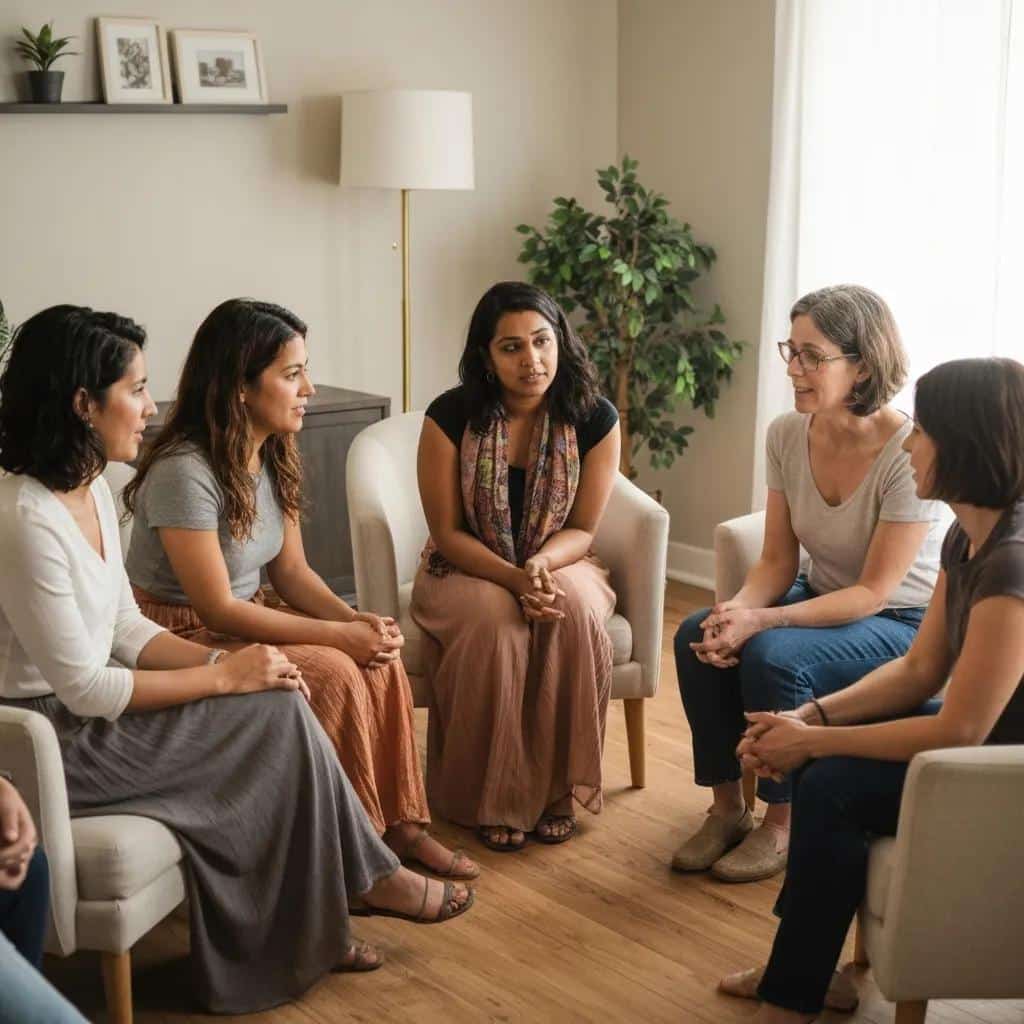
Gender-specific treatment offers tailored strategies that acknowledge biological factors like hormonal cycles and social roles, resulting in faster progress and higher satisfaction. An environment designed for women fosters trust, empowerment, and a deeper sense of safety.
Gender-Specific Treatment Outcomes - English
How Do Hormonal Changes Affect Women’s Mental Health?
Hormonal phases—from menstrual cycles to pregnancy and menopause—alter neurotransmitter balance and stress-response systems, increasing vulnerability to mood swings and anxiety.
For instance:
- Menstrual cycle shifts can trigger irritability and sleep disturbances.
- Pregnancy hormones may temporarily boost well-being, then rapidly decline postpartum.
- Perimenopausal fluctuations can cause depression and cognitive fog.
Understanding these mechanisms guides providers to integrate hormone-aware treatment plans and prepare women for therapy phases.
What Are the Benefits of Women-Only Therapy Groups and Gender-Sensitive Care?
Women-only groups create a supportive arena where participants share experiences free from gender-based judgment, while gender-sensitive clinicians employ communication styles that validate women’s unique journeys.
Primary advantages include:
- Enhanced emotional safety through peer identification.
- Focus on women’s roles—caregiver, professional, partner—in group discussions.
- Customized coping strategies aligned with female life stages.
Experiencing acceptance in these settings leads naturally into examining societal pressures next.
How Does Societal Pressure Influence Women’s Mental Wellness?
Caregiving demands, gender discrimination, and financial stressors compound stress hormones, undermining self-esteem and resilience. Women juggling multiple roles often prioritize others’ needs, leading to burnout and anxiety.
Common social pressures include:
- Balancing career advancement with family obligations.
- Facing pay disparities and career interruptions.
- Navigating cultural expectations around appearance and caregiving.
Acknowledging these pressures permits integration of social support and advocacy in therapy.
What Types of Therapy Are Available for Women’s Mental Health in Orange County?
Women in Orange County can access a spectrum of evidence-based and holistic therapies designed to address emotional, cognitive, and physical dimensions of mental health. Selecting the right approach optimizes recovery trajectories.
| Therapy Type | Focus | Benefits |
|---|---|---|
| Individual Therapy | Personalized coping and insight | Tailors CBT/DBT to women’s experiences |
| Group Therapy | Peer support and shared resilience | Builds community and reduces isolation |
| Couples Counseling | Relationship dynamics and communication | Strengthens partner support and conflict resolution |
| Holistic Therapies | Mind-body integration | Includes art, equine therapy, yoga for stress reduction |
This overview sets the stage for deeper exploration of each modality, beginning with individual therapy.
How Does Individual Therapy Support Women’s Unique Needs?
Individual therapy applies cognitive behavioral therapy (CBT), dialectical behavior therapy (DBT), and trauma-informed methods to address thought patterns, emotion regulation, and past wounds. By focusing on personal history and gender-specific stressors, clinicians guide women toward sustainable coping mechanisms.
Core strategies include identifying negative self-talk, strengthening boundary setting, and developing distress tolerance skills, which prepares women to benefit fully from relational therapies.
What Are the Advantages of Group Therapy and Couples Counseling for Women?
Group therapy fosters peer connection and normalizes shared struggles, while couples counseling helps partners align on emotional support and parenting roles. Both formats leverage interpersonal feedback to reinforce progress.
Benefits include:
- Shared validation and mutual encouragement in a women-only setting.
- Enhanced communication skills and conflict management in relationships.
- Opportunities for partners to participate in treatment goals.
Relational healing strengthens individual insights and primes interest in complementary wellness practices.
Which Holistic and Complementary Therapies Enhance Women’s Mental Wellness?

Complementary therapies—such as art therapy, equine-assisted counseling, and yoga—engage creative expression, nonverbal processing, and somatic awareness. These approaches improve self-esteem, reduce cortisol levels, and cultivate mind-body balance.
For example, equine therapy supports trust rebuilding, art therapy facilitates emotion exploration, and yoga promotes relaxation. Integrating these therapies enriches traditional talk therapy and expands coping resources.
How Can Women Access Mental Health Services in Orange County?
Navigating the path to care involves understanding consultation procedures, leveraging telehealth options, and evaluating financial resources. Clear knowledge of each step removes barriers and accelerates treatment engagement.
What Should Women Expect During Their First Consultation?
A first consultation includes a thorough intake assessment of symptoms, medical history, and life circumstances to tailor a treatment plan. Clinicians explain confidentiality policies, outline therapy options, and establish collaborative goals.
Expect to complete forms on mental health history, discuss immediate concerns, and receive an initial recommendation, which sets the foundation for telehealth accessibility.
How Does Telehealth Increase Access to Women’s Therapy?
Telehealth delivers therapy sessions via secure video, eliminating travel time and accommodating busy schedules or mobility limitations. This approach ensures continuity of care during transitions like pregnancy or relocation.
Key telehealth advantages include:
- Scheduling flexibility across home, work, or childcare contexts.
- Rapid access to specialists without geographic constraints.
- Reduced anxiety for women who prefer remote interaction.
Convenient virtual care leads naturally into exploring financial support mechanisms.
What Insurance and Financial Support Options Are Available?
Most major insurers cover gender-specific mental health services, and many practices offer sliding-scale fees or payment plans. Assistance programs can offset copays for low-income women, and some employers provide employee assistance plans (EAPs) with free initial sessions.
Reviewing coverage details and discussing payment options with intake coordinators ensures women can focus on healing rather than financial strain, which leads us to local community resources.
What Local Resources and Support Groups Exist for Women’s Mental Health in Orange County?
Orange County hosts numerous nonprofits, community centers, and peer-led programs that complement clinical services. Connecting with these networks bolsters social support and access to specialized initiatives.
Where Can Women Find Support Groups and Community Programs?
Women can join groups at local YMCAs, community mental health centers, and nonprofit organizations offering free or low-cost workshops on stress management, parenting, and trauma recovery. Online forums and meetup groups also build virtual networks.
Popular resources include women’s trauma recovery groups, postpartum support circles, and mindful movement classes. Engaging these programs enhances a sense of community before exploring professional partnerships.
How Does Huntington Beach Mental Health Connect Women to Orange County Resources?
Huntington Beach Mental Health collaborates with local shelters, community centers, and advocacy organizations to refer women to tailored support groups and outreach events. Clinicians maintain partnerships with nonprofit leaders to ensure seamless referrals for childcare, legal aid, and peer mentoring.
These connections extend therapeutic care into the broader community and prepare women for data-driven insights on regional trends.
What Are Key Statistics and Trends in Women’s Mental Health in California?
Understanding prevalence and risk factors at the state level contextualizes individual experiences and underscores the urgency of gender-sensitive care across Orange County.
How Prevalent Are Depression and Anxiety Among Women in California?
Depression and anxiety affect approximately 30% of California women annually—twice the rate observed in men—reflecting gendered vulnerability to mood disorders.
| Condition | Prevalence in Women | Comparative Ratio |
|---|---|---|
| Depression | 18% | 2× higher than men |
| Anxiety | 28% | 2× higher than men |
These figures highlight the importance of specialized screening and targeted interventions, particularly around childbirth.
What Are the Rates and Risks of Postpartum Depression in Orange County?
Postpartum depression impacts an estimated 12% of new mothers in Orange County, with risk factors including previous mood disorders and inadequate support. Early intervention reduces long-term effects on both mother and child.
Addressing PPD through integrated care models ensures timely access to therapy, medication, and peer support that boost maternal well-being.
How Do Trauma and Societal Factors Affect Women’s Mental Health Outcomes?
Trauma exposure correlates with a 25% increased risk of chronic mental illness, while caregiving burdens and income inequality further elevate stress hormones and depression rates. Women facing multiple risk factors require comprehensive treatment plans that address both psychological and social dimensions.
Incorporating trauma-informed care and resource referrals mitigates these influences and lays the groundwork for personalized treatment planning at Huntington Beach Mental Health.
How Can Women Take the First Step Toward Mental Wellness at Huntington Beach Mental Health?
Beginning the journey to recovery involves clear scheduling procedures, realistic expectations about the treatment timeline, and reassurance about ongoing support.
How Do You Schedule a Consultation for Gender-Specific Mental Health Care?
Women can initiate care by calling the clinic or completing a secure online inquiry form to request an intake appointment. A scheduling coordinator will verify insurance details, discuss payment options, and assign a clinician whose expertise matches individual needs.
This streamlined process minimizes delays and ensures immediate connection with qualified providers.
What Should Women Know About the Treatment Journey and Support Available?
The treatment journey typically unfolds in phases: thorough assessment, collaborative goal-setting, regular therapy sessions, progress reviews, and aftercare planning. Women receive access to individual and group sessions, complementary therapies, and referral pathways for community resources.
Understanding this structured approach fosters confidence and encourages active participation in one’s own healing.
What Frequently Asked Questions Do Women Have About Mental Health Treatment?
Women often seek clarity on confidentiality measures, expected treatment timelines, and how therapy integrates with daily responsibilities. Common concerns include privacy protections, appointment flexibility, and the availability of specialized women’s groups.
Acknowledging these themes empowers providers to address uncertainties and guide women toward confident engagement in care.
Moving forward, personalized treatment at Huntington Beach Mental Health pairs expert clinicians with a supportive network, ensuring that every woman in Orange County has access to compassionate, gender-sensitive care.